Spitting Image Co-Creator Peter Fluck Dies at 85
Peter Fluck, who with Roger Law sculpted the latex puppets of Spitting Image, died November 21 at 85. The show drew 15 million viewers and won Genesis a Grammy.
Programme
- Peter Fluck died November 21 at his home in Cornwall, aged 85.
- Spitting Image ran for 18 series and 134 episodes on ITV, drawing up to 15 million viewers.
- The Genesis 'Land of Confusion' puppet video won the Grammy for Best Concept Music Video in 1986.
- The show won 10 BAFTA Television Awards and International Emmys in 1985 and 1986.
- Its archive was donated to the University of Cambridge in 2018.
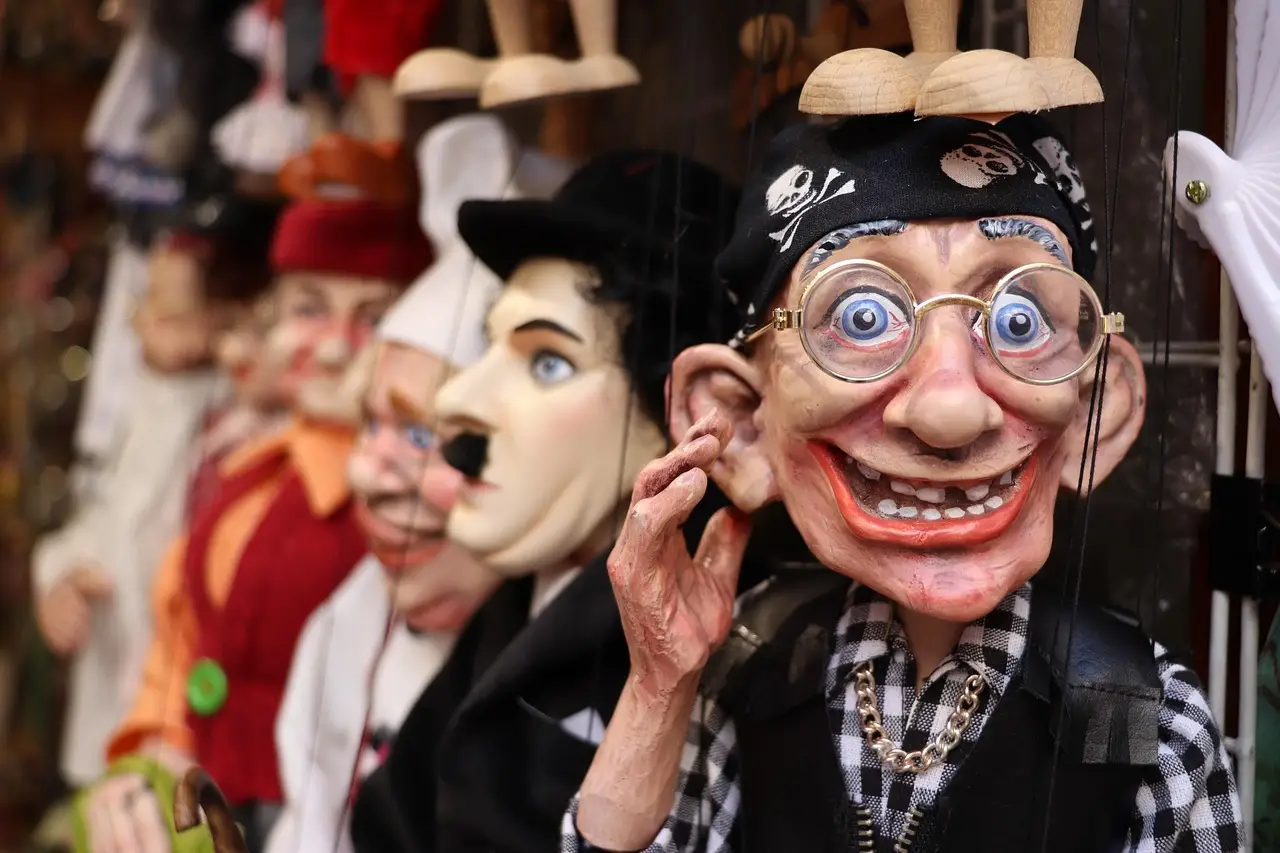
Peter Fluck, the caricaturist who co-created Spitting Image and sculpted the rubbery latex faces that defined 1980s British satire, died November 21 at his home in Cornwall. He was 85.
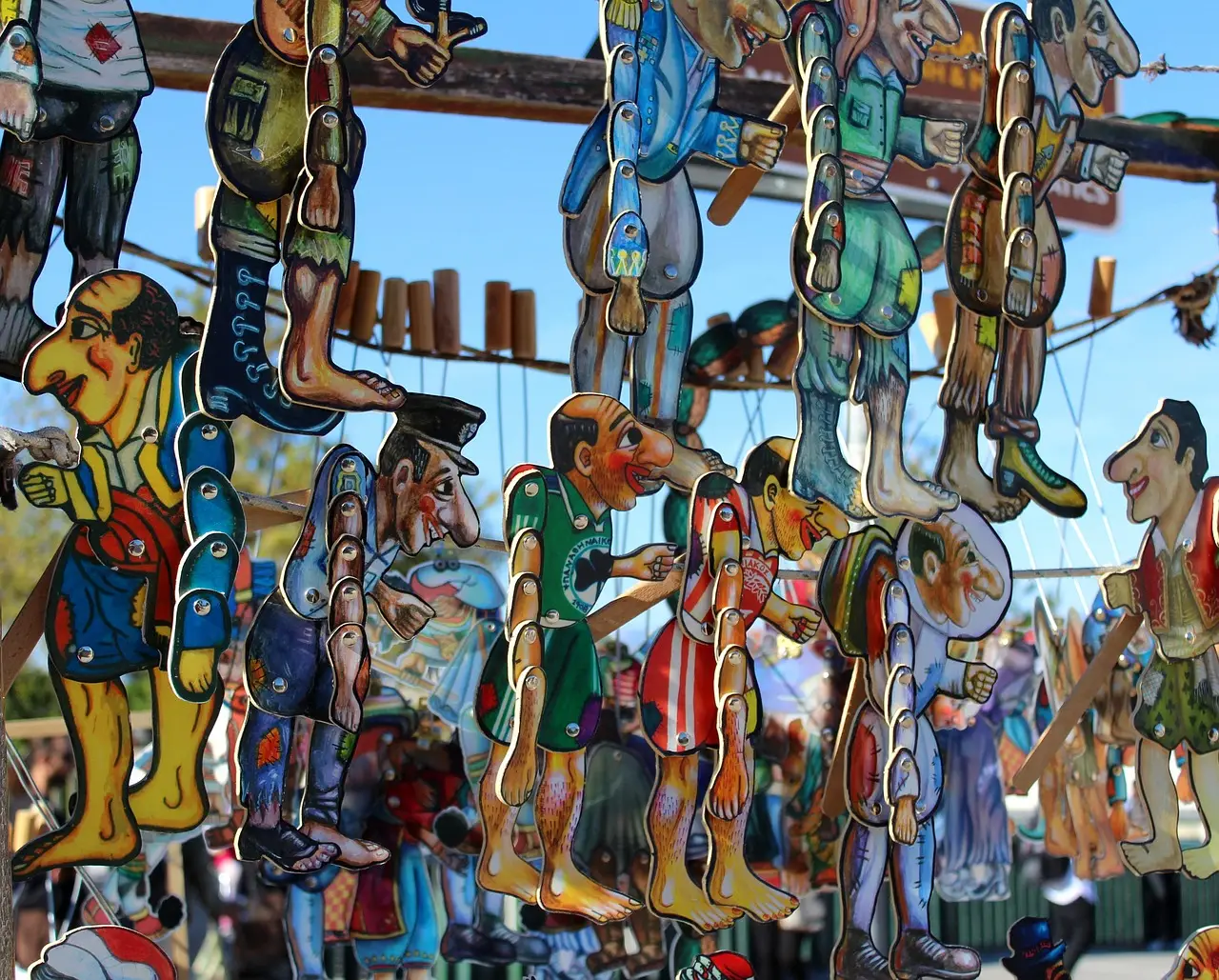
With his partner Roger Law — the pair were known collectively as Luck and Flaw — Fluck turned presidents, prime ministers, royals and rock stars into gloriously exaggerated puppets. At its peak, the show drew up to 15 million viewers and left a mark on pop culture well beyond Britain.
How a plasticine act became a TV phenomenon
Peter Nigel Fluck was born April 7, 1941, in Cambridge, England. He studied at the Cambridge School of Art, now part of Anglia Ruskin University, where he first met Law. In the 1970s he taught art at the Colchester School of Art in Essex, while the two men built a reputation for their plasticine caricatures illustrating articles in The Sunday Times magazine.
The leap to television came when designer Martin Lambie-Nairn proposed a satirical series built around their puppets. Many in the industry dismissed the idea as kids' stuff. Undaunted, Fluck and Law — who had no television experience — teamed with writer Tony Hendra, producer John Lloyd and documentary maker Jon Blair, hired Muppet puppeteer Louise Gold, and secured development funding from entrepreneur Clive Sinclair.
Spitting Image premiered on ITV in February 1984. With head writers Rob Grant and Doug Naylor sharpening the material, it ran for 18 series and 134 episodes, lampooning politics, entertainment, sport and British popular culture — from Margaret Thatcher's cabinet to John Major's grey dinners of peas and a gin-loving Queen Mother. It launched the careers of comedians including Harry Enfield, Steve Coogan and Hugh Dennis.
What did the puppets do to pop music?
Plenty. In 1986 the puppets topped the UK singles chart for three weeks with "The Chicken Song," a send-up of holiday novelty hits. That same year Phil Collins, having seen his own puppet, asked the creators to make puppets of all of Genesis for the "Land of Confusion" video. It won the Grammy Award for Best Concept Music Video.
Sting recorded a new version of "Every Breath You Take," retitled "Every Bomb You Make," for the show. The puppets went on to send up everyone from Mick Jagger and Michael Jackson to Madonna, Kylie Minogue, Prince and Oasis on albums including Spit in Your Ear and 20 Great Golden Gobs.
Awards, archives and a late turn to sculpture
The show won 10 BAFTA Television Awards and back-to-back International Emmy Awards in 1985 and 1986. It aired on CBC Television in Canada and produced American specials for NBC. The original series ended in 1996, and in 2018 the show's archive of scripts, puppet moulds, drawings and recordings went to the University of Cambridge, where the university librarian called it a national treasure.
After Spitting Image, Fluck moved to Cornwall to focus on his own art, creating inventive sculptures shown in exhibitions including "Chaotic Constructions" at Tate St Ives. He married Anne-Cécile de Bruyne in Cambridge in 1963; they raised a daughter and a son and made their home in the fishing village of Cadgwith.
Fluck's legacy now sits in the same university city where he trained — a moulded, latex-skinned record of an era he helped define.
Source: thatericalper.com
More from Grace Kim
Show full bio
Correspondent covering technology and product news in arts in the broadest sense at Arts & Voices.
1,754 articles