The National Historic Preservation Act Is Dead at 60
The National Historic Preservation Act, signed by Lyndon B. Johnson in 1966 with unanimous support, has effectively died at 60 after congressional neglect.

Programme
- The National Historic Preservation Act, born October 15, 1966, died at age 60 after congressional neglect.
- The law was signed by President Lyndon B. Johnson with unanimous bipartisan support.
- 50% of the 12,000 historic buildings inventoried since 1933 had been demolished amid federal urban renewal and highway projects.
- The law's core rule required the federal government to stop, look and listen before damaging heritage sites.
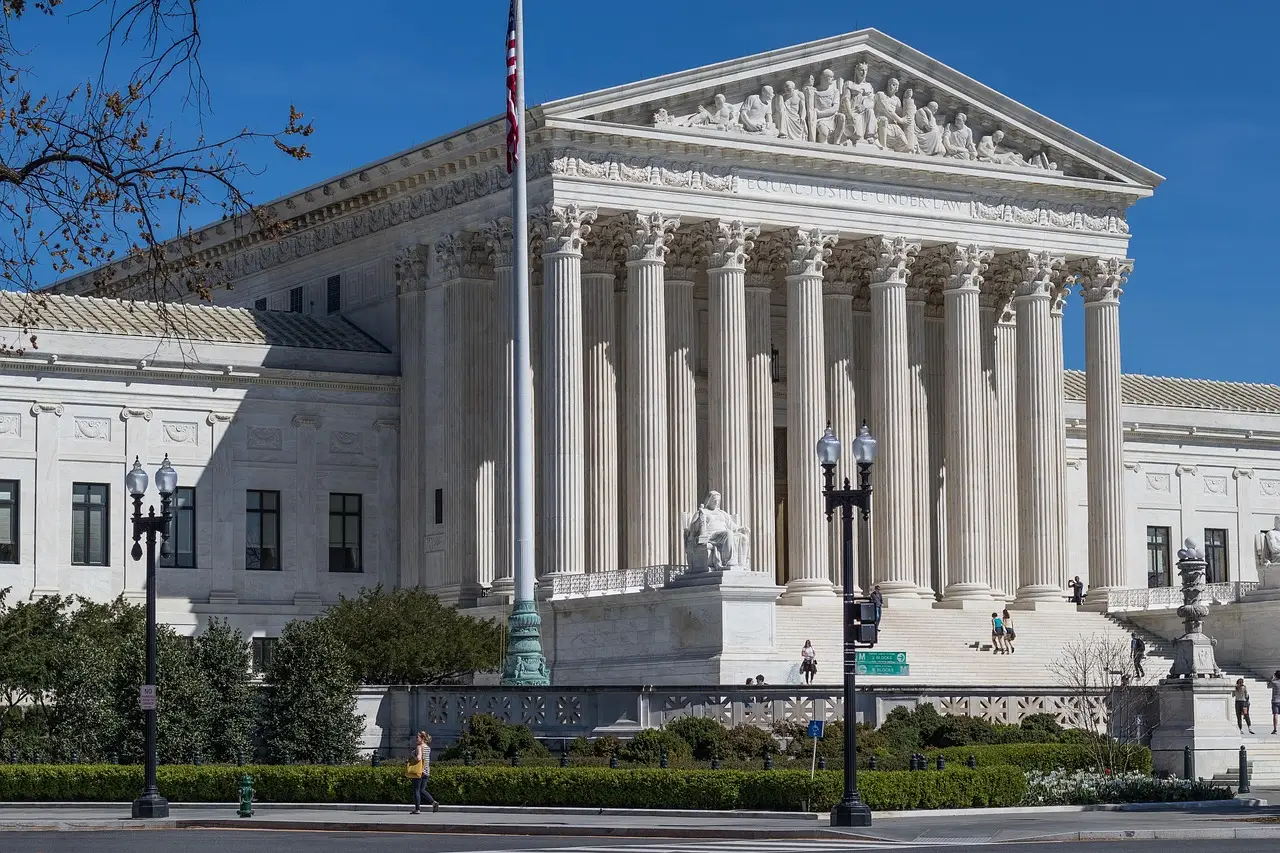
The National Historic Preservation Act (NHPA), the federal law that gave communities a voice in government decisions affecting their historic places, has died at 60 — shortly after its own birthday, following what critics of Congress's inaction describe as a brief but devastating bout of legislative neglect.
Born on October 15, 1966, the law was signed by President Lyndon B. Johnson with unanimous bipartisan support. That detail alone tells you how much has changed: a landmark preservation statute once passed without a single dissenting vote, and six decades later it no longer functions as written.
Why was the law created in the first place?
The backstory is stark. In 1933, the Civil Works Administration began a national inventory of historic buildings and landmarks. It documented roughly 12,000 of them. By the 1960s, Americans discovered that about 50% of those structures had been demolished — losses driven largely by federally supported urban renewal and highway construction.
That scale of destruction earned a grim nickname in the preservation literature: "the death mask of America." Half of the country's documented heritage stock, erased with federal help, is the statistic that forced Congress to act.
What did the NHPA actually do?
The law's central proposition was modest, and that modesty is worth spelling out. Before the federal government — or a developer working with it — damaged or destroyed an important part of America's heritage, it simply needed to stop, look, and listen.
In practice, that meant communities affected by federal projects got a formal channel to raise objections, request review, and shape outcomes before the bulldozers arrived. It did not ban demolition outright. It created a pause — a procedural checkpoint where local voices could be heard inside a decision-making process that had previously run straight over them.
For six decades, that pause was the mechanism protecting the places that tell American communities' stories.
What does this change for preservation?
The practical question is straightforward: without a functioning NHPA, what forces a federal agency or a federally backed developer to stop, look, and listen before touching a historic site? On the source's account, nothing of equivalent force remains. Communities lose their formal seat at the table, and the review step that stood between a landmark and a wrecking ball disappears.
The timing carries its own sting. The law died shortly after turning 60 — a milestone anniversary that would ordinarily be a moment for celebrating six decades of saved buildings, not mourning the statute itself.
The numbers that explain the stakes
-
1966: the NHPA was signed into law on October 15 by Lyndon B. Johnson.
-
12,000: the historic buildings and landmarks documented in the inventory the Civil Works Administration began in 1933.
-
50%: the share of those documented structures demolished amid federally supported urban renewal and highway development.
-
60 years: the age the law reached before its effective demise.
The precedent behind those figures is the point preservationists keep returning to. The last time federal projects razed historic America at scale, the country's response was a unanimous, bipartisan law. Whether today's Congress can produce anything comparable — or whether the demolition era the NHPA was built to end simply resumes — is the question the act leaves behind.
Source: hyperallergic.com
More from Grace Kim
Show full bio
Correspondent covering technology and product news in arts in the broadest sense at Arts & Voices.
1,596 articles