Titian self-portrait bought for $69,850 goes on sale in London for £1.5m
A Titian self-portrait bought for $69,850 at Sotheby's in 2024 is now priced at £1.5m at Dickinson's London show, alongside rediscoveries by Rubens and Van Dyck.
Programme
- A disputed late Titian self-portrait sold for $69,850 at Sotheby's New York in 2024 and is now priced at £1.5m.
- Dickinson's exhibition Titian, Rubens, Van Dyck runs at 58 Jermyn Street, London, until 18 December, with works priced £400,000 to over £3m.
- A Rubens head study sold for €744,000 at Sotheby's Paris in November 2024 and is now thought to depict the young Van Dyck.
- The show travels to Master Drawings New York, 29 January to 6 February 2027.
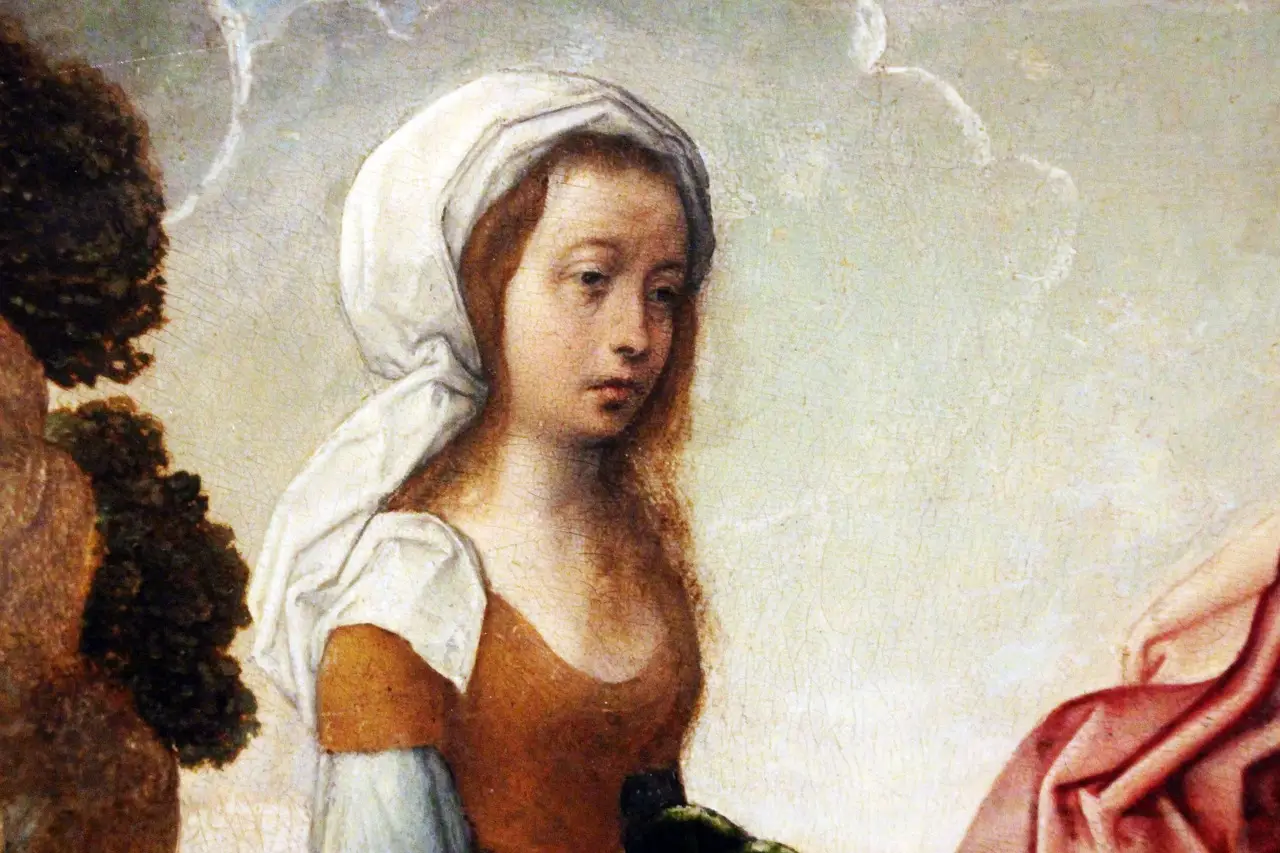
A small oil on canvas catalogued as "attributed to Titian" sold for $69,850 at Sotheby's New York in 2024. It is now priced at £1.5m in London, offered by Dickinson after cleaning, X-ray examination and new scholarly study.
The painting is among the rediscoveries in Titian, Rubens, Van Dyck, which opened last night at 58 Jermyn Street, London, and runs until 18th December. Simon Dickinson and his son Milo have assembled two works by Titian, two by Rubens and nine by Van Dyck, all from private collections, most for sale, priced between around £400,000 and over £3m. The show is one of the most ambitious the gallery has staged in its 33-year history.
The catalogue opens with the Titian expert Peter Humfrey's observation that "both Rubens and his erstwhile assistant Van Dyck venerated Titian as the very prince of painters." Humfrey contributes essays alongside the Belgian art historians Koenraad Jonckheere, a professor of Northern Renaissance and Baroque art at Ghent University, and Katlijne Van der Stighelen, a Rubens expert.
What is the disputed self-portrait?
The late self-portrait, an oil on canvas measuring 44cm by 33cm, is variously dated by scholars between 1546-47 and 1560. Milo Dickinson says the attribution has been long debated. Everett Fahy, the American art historian and former director of the Frick who died in 2018, first proposed the attribution to Titian in 2009, when the painting emerged filthy from a French private collection.
"Various scholars — Peter Humfrey, Nicholas Penny and Ian Kennedy — have written on it and debated the dating of it because [if the attribution is correct] it would make it one of only three accepted self-portraits by Titian," Dickinson says, alongside those in the Gemäldegalerie in Berlin and the Prado, Madrid. The painting has been in a UK private collection since 2024.
Which works surfaced after cleaning?
A Rubens head study is now thought to depict a young Anthony van Dyck, based on dating, the sitter's distinctive features and comparison with Van Dyck's self-portraits. The oil on panel, 43cm by 35cm, sold for €744,000 at Sotheby's Paris last November, catalogued as a Head Study of a Boy by Rubens, as part of the sale of the collection of the British property billionaire Manny Davidson. Davidson had bought it as "attributed to Rubens" from Simon Dickinson in 2007, after the attribution was questioned by the vetting committee at Tefaf Maastricht.
The study had been dated to around 1614, when Van Dyck would have been only 14 or 15 — younger than the boy depicted with his wispy stubble. But the Louvre, which holds the other half of this double head study, has recently argued its sketch dates to 1616-17. "Once you've seen it cleaned, you realise the hair colour, the distinct shape of the face, the lips, the shape of the nose, they're totally concurrent with what Van Dyck looked like in his self-portraits," Dickinson says. Jonckheere and Van der Stighelen support the identification, alongside other scholars. The study is for sale, price undisclosed.
A third post-clean rediscovery is a Van Dyck brunaille study for the equestrian portrait of Albert de Ligne, Prince of Arenberg and Barbançon (around 1629-32), which hangs in Holkham Hall, Norfolk. One of several similar studies — another is in the Metropolitan Museum of Art in New York — this version surfaced in an American private collection and is now judged the original. "It was pretty clear, upon seeing it cleaned, that this was the original and the other versions were copies done in Van Dyck's studio by assistants," Dickinson says. Pentimenti typical of Van Dyck, including an adjusted position of the horse's head and front legs, are clearly visible. The collector, who bought it in 2014, is asking around £500,000.
What anchors the show at the top end?
A friendship portrait by Titian, Portrait of a young man with a gloved hand (around 1550), is offered at £3m. It is thought to be the Titian portrait mentioned in Van Dyck's posthumous inventory and was last publicly exhibited in 1939-40.
Titian, Rubens and Van Dyck works are "very, very difficult to find", Dickinson says, though all three painters were prolific. Rubens "spent several months just copying paintings by Titian in Madrid, which had been bought by Philip II of Spain," and Van Dyck's Italian sketchbook is full of annotated studies of Titians.
The exhibition travels to New York for the Master Drawings New York art fair, 29 January to 6 February 2027.
Source: theartnewspaper.com
More from Elena Vasquez
Show full bio
Senior reporter covering technology and product news in arts in the broadest sense at Arts & Voices.
1,752 articles