National Gallery shows Jan van Eyck's 10 surviving portraits
Ten paintings by Jan van Eyck fill London's National Gallery: nine A4-size portraits plus the Arnolfini portrait, with cryptic inscriptions and even fool's gold.
Programme
- The National Gallery, London, is showing 10 paintings by Jan van Eyck, reviewed by The Guardian on 17 November 2026.
- Nine of the 10 works are A4-size portraits; the Arnolfini portrait is the exception.
- Apart from donor likenesses in religious paintings including the Ghent altarpiece, these are the sum total of Van Eyck's surviving portraits.
- The show's works carry cryptic inscriptions and even fool's gold; a companion Guardian piece on the frames and inscriptions is dated 19 November 2026.
- Robert Ryman's white paintings, made over 60 years from the 1950s, were reviewed at the Barbican Art Gallery on 7 October 2026.
Ten paintings by Jan van Eyck hang at the National Gallery in London this month. The Guardian's review of the exhibition, dated 17 November 2026, calls it "a jewel box of phenomenal death-defying paintings." Nine of the ten works are A4-size portraits, angled so we see more of the left side of each sitter's face than the right. The tenth is the Arnolfini portrait, which behaves differently in every respect.
The show is not a selection so much as the whole surviving stock. Apart from the likenesses of donors who paid him for work on his religious paintings, including the Ghent altarpiece, these ten are the sum total of Van Eyck's surviving portraits. The count is already complete. A later exhibition cannot add to it, because there is nothing left to add.
How small can a portrait get?
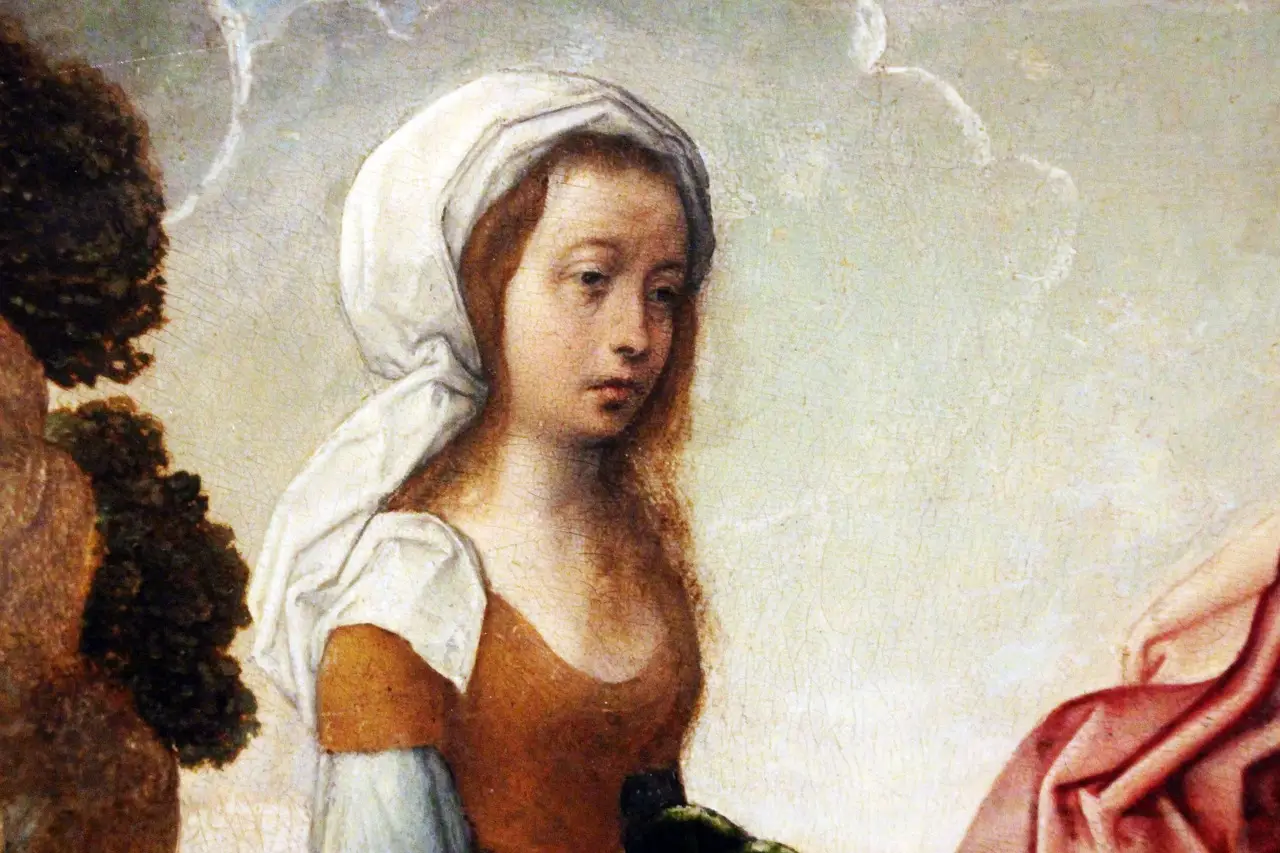
Each panel is roughly the size of a sheet of A4 paper, and each is angled so that we see more of the left side of the sitter's face than the right. That is the three-quarter view (the head turned slightly away from the picture plane), and in portrait convention it gives a sitter a directional pull rather than a flat, frontal stare. The angle is part of the method. The inscriptions are the other half, and so is the gilding: the pictures come with even fool's gold (a gold-coloured material standing in for the genuine article), which is a nice touch for a painter already accused of trickery.
Where do the secret messages sit?
The inscriptions are the puzzles on display, and The Guardian's framing plays them straight: the more you look, "the more the Flemish master trips you up." The introduction calls being laughed at like this "all part of the glorious pleasure." That is a cheerful position for a reviewer to take on a fifteenth-century Flemish painter, and it fits an exhibition built around looking hard at a small, densely worked surface. A companion piece in The Guardian, dated 19 November 2026, turns to the frames and the inscriptions specifically. The apparatus gets examined as well as the pictures.
Why does Robert Ryman belong in a piece about Van Eyck?
Because this review runs beside another London show, and the contrast does some work. The Guardian's Barbican review, dated 7 October 2026, covers some of the white paintings Robert Ryman made over more than sixty years, beginning in the 1950s. They are square, the review reports, because a square is neutral, and Ryman did not want viewers associating them with the visual language of landscape or portrait. For him the paintings resolutely were what they were: white paint applied to various surfaces and fixed to the wall. Not "windows" through which one could glimpse another world, the review says.
Both exhibitions, in other words, put a small painted surface on a wall and then refuse the usual invitation to treat it as a window. Ryman's squares shut the door politely. Van Eyck's palm-sized panels leave it open just enough.
What does it add up to?
Ten works, most of them the size of a sheet of paper, and within them the entire surviving portrait output of a fifteenth-century Flemish master. The National Gallery has put the full count on the wall, so the questions raised by the inscriptions and the frames will not be answered by another loan. The frames get their own piece this week. The tricks, meanwhile, keep working.
Source: theguardian.com
More from Daniel Okafor
Show full bio
News editor covering companies, deals and strategy in arts in the broadest sense at Arts & Voices.
1,541 articles