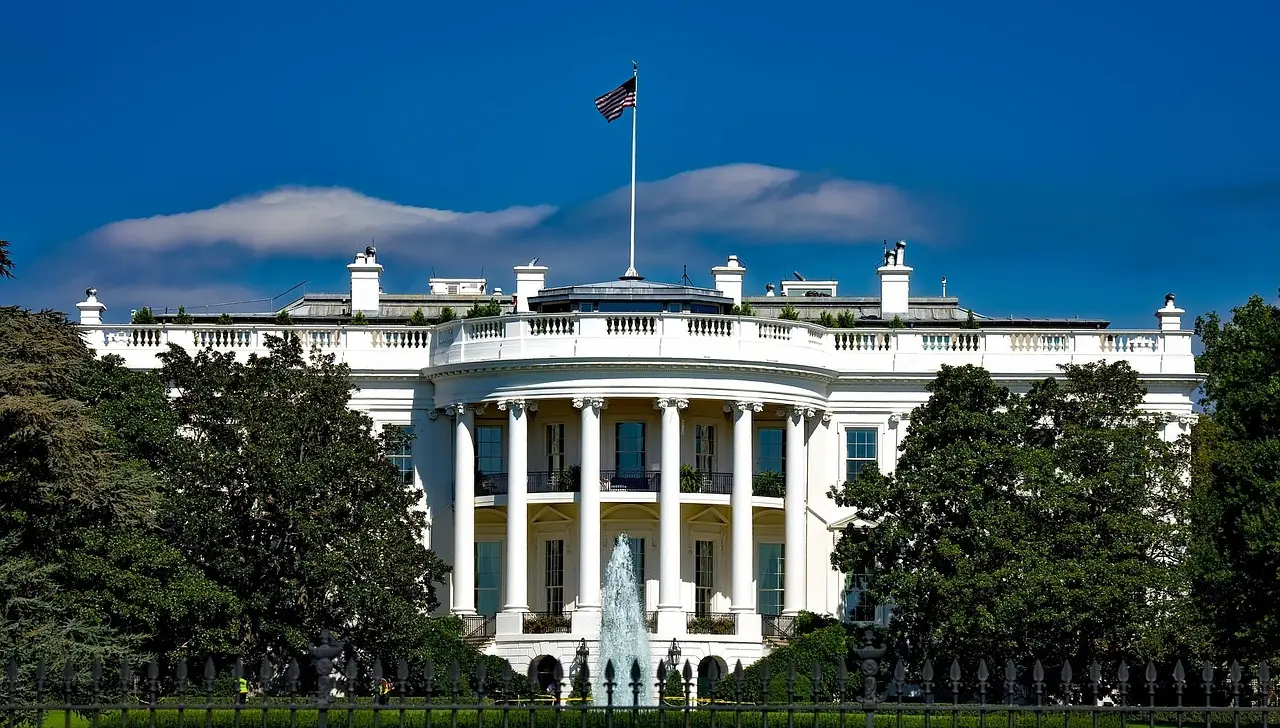
Trump's D.C. Makeover Plans Would Push Washingtonians Aside
A judge has paused Trump's arch project after his appointees approved it. NYT critic Michael Kimmelman argues the plans would cost D.C. residents sports fields, fishing spots and everyday public space.
Programme
- A federal judge paused construction on the arch project after a Trump-appointed planning commission approved it.
- Lawsuits from veterans groups, the District of Columbia and Virginia are pending in the courts.
- Trump issued a proclamation seeking to declare his gilded Oval Office a national monument.
- The Lincoln Memorial Reflecting Pool has reopened but is reportedly still cracked and peeling.
- NYT architecture critic Michael Kimmelman warns locals would lose access to sports fields and fishing spots.
A federal judge has paused construction on the contentious arch project in Washington, D.C., just days after a federal planning commission stacked with Trump appointees rubber-stamped it. The ruling came as President Trump laid out his priorities for the closing stretch of his term: monument declarations, a new ballroom and a reopened reflecting pool.
The analysis comes from Michael Kimmelman, architecture critic of The New York Times, who has written about the White House ballroom and biked around Washington to survey the president's redecorating efforts firsthand. His critic's notebook, published after the midterm elections, argues that Trump "is clearly not done with Washington" even though, as Kimmelman puts it, "voters left no doubt they are done with President Trump." The piece carries photographs by Alex Kent.
What did Trump actually do last week?
The president gave speeches praising his helipad and ballroom. He also boasted about the reopened Lincoln Memorial Reflecting Pool — a landmark Kimmelman notes is reportedly still cracked and peeling.
Then came two bigger moves:
- Trump issued a proclamation seeking to declare his gilded Oval Office a national monument.
- His appointees on a federal planning commission approved the arch project, which Kimmelman calls "the egregious arch" — a decision the critic reads as an attempt to lock the project in before lawsuits tie it up and before Democrats take control of Congress.
A judge moved fast in response. She paused construction so that lawsuits brought by veterans groups, the District of Columbia and the state of Virginia can work their way through the courts.
What does this change for people who live in D.C.?
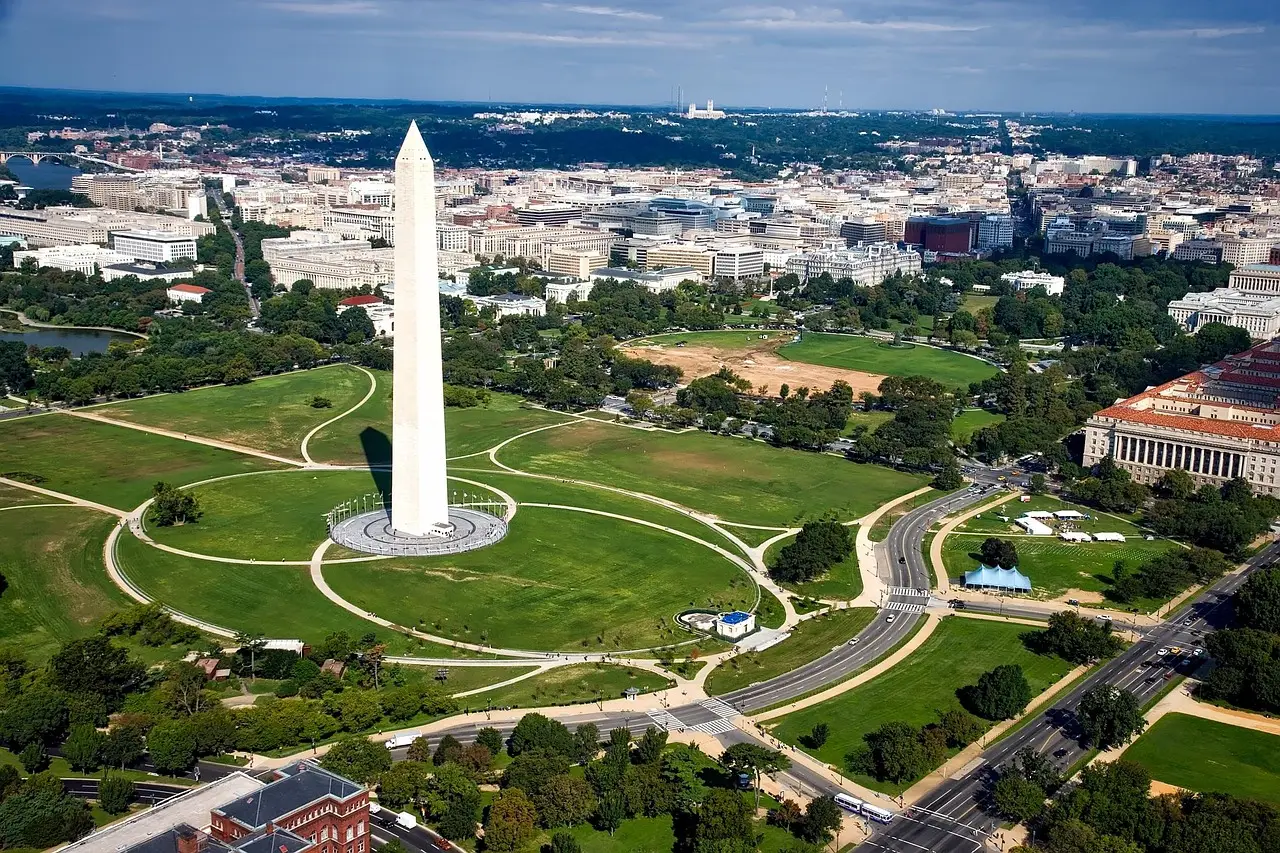
That is the question at the center of Kimmelman's argument. He writes that if the president's projects come to fruition, Washingtonians will lose access to sports fields, fishing spots and what he calls other "tent poles of everyday city life."
The redecorating itself, in Kimmelman's telling, functions as a distraction — a strategy "to distract Americans from bigger problems and to distract himself." Giant images of President Trump have been displayed around Washington as part of this atmosphere.
But the critic is careful to separate the showy projects from the quieter ones. Some efforts, he acknowledges, have been genuinely positive: plazas cleaned up, parks refurbished, fountains repaired. His concern lies with the larger makeover, which he frames as "an urban parable of the midterm results and of the nation at large under Trump."
What happens next?
The legal fights will decide the arch. The lawsuits from veterans groups, D.C. and Virginia are now moving through the courts, and the judicial pause holds until they're resolved. The broader contest over the capital's public spaces — its fields, fishing spots and parks — will unfold against the political clock: a Democratic-controlled Congress arrives as the president pursues what Kimmelman describes as his lame-duck makeover agenda.
Source: NYT Arts
More from Grace Kim
Show full bio
Correspondent covering technology and product news in arts in the broadest sense at Arts & Voices.
1,237 articles