Trump Signs Proclamation Seeking Monument Status for Oval Office
Trump signed a proclamation Thursday seeking national monument status for the Oval Office and Cabinet Room, aiming to lock in his gilded Louis XIV-style redesign.

Programme
- Trump signed the proclamation on Thursday, seeking national monument status for the Oval Office and Cabinet Room.
- The White House ballroom under construction measures 90,000 square feet and costs $600 million.
- The Lincoln Memorial Reflecting Pool repair costs $14 million.
- Judge Tanya Chutkan halted the proposed 250-foot triumphal arch for fourteen days on Wednesday.
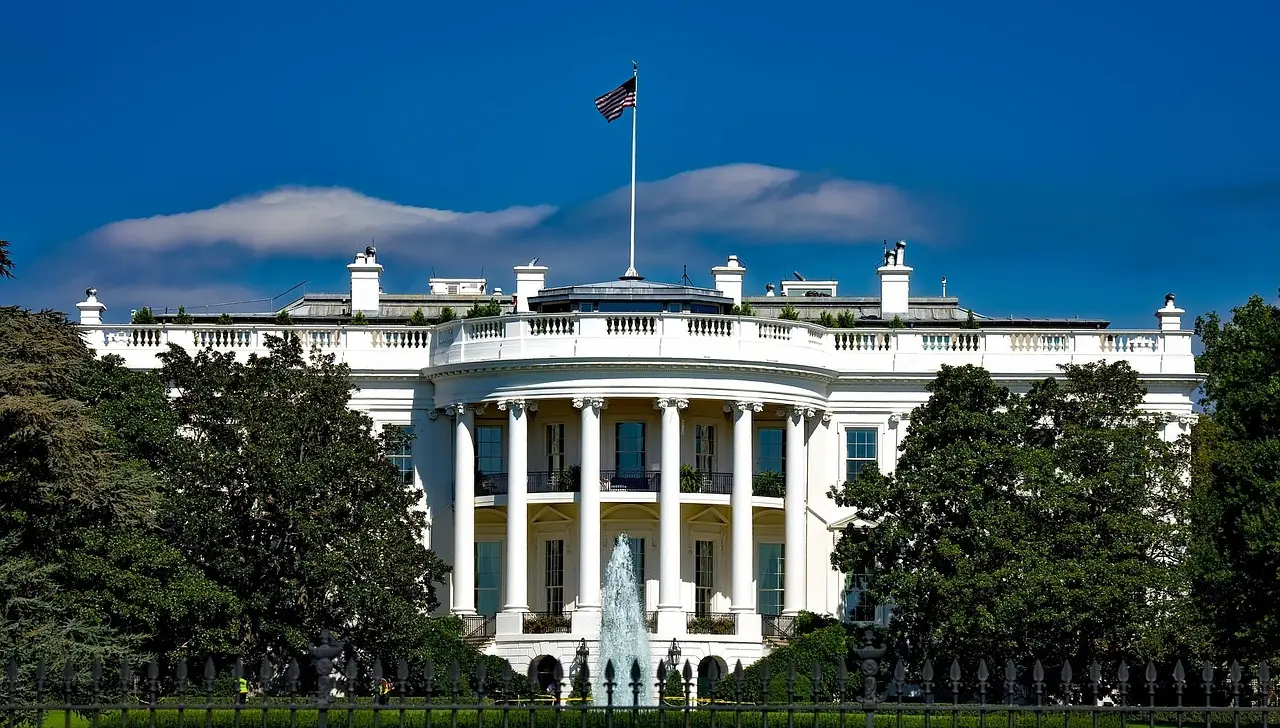
- The White House is already a National Historic Landmark, which did not stop the East Wing demolition.
President Donald Trump signed a proclamation Thursday seeking to designate the Oval Office and the adjacent Cabinet Room as national monuments. The stated aim: preventing future administrations from making major modifications without Congressional approval.
The proclamation targets two rooms Trump has personally transformed during his second term. He turned the previously restrained presidential working spaces into extravagantly gilded interiors in the style of Louis XIV. The designation, if completed, would lock that redecoration into place.
The timing is difficult to ignore. The proclamation follows this week's midterm elections, in which Republicans suffered historic defeats. Trump appears to be self-soothing by focusing on renovation projects he has initiated at the White House and across Washington, D.C.
The White House projects are extensive:
- The gilded makeover of the Oval Office and Cabinet Room
- A granite helipad on the White House's South Lawn
- The demolition of the East Wing to make way for a 90,000-square-foot, $600 million ballroom
On Wednesday, in his first public appearance after Tuesday's Republican wipeout, Trump led a media tour of the ballroom construction site.
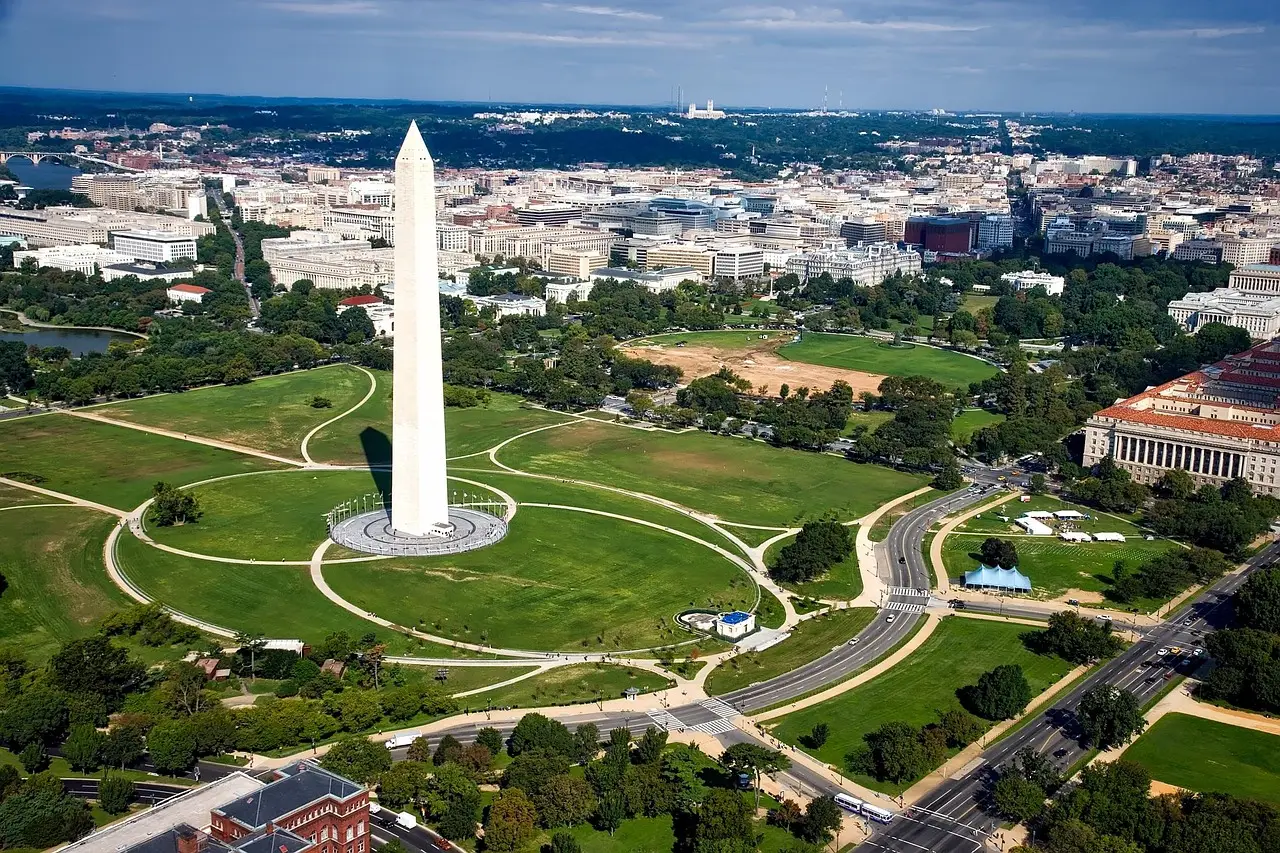
Beyond the White House grounds, the projects multiply. Trump has begun a fraught, $14 million repair of the Lincoln Memorial Reflecting Pool. He has started redeveloping a popular public golf course by cutting down hundreds of trees. And he has proposed a 250-foot-high triumphal arch near Arlington National Cemetery.
The arch shows how contested these projects have become. Apparently worried that incoming Democrats would block its construction, Trump asked for hastened approval. His hand-picked planning commission granted it Wednesday. That same evening, Judge Tanya Chutkan stopped construction for fourteen days.
What does the designation actually change?
That is the practical question, and the answer may be: very little. It is not clear how designating the Oval Office a national monument would prevent another president from simply revising, or ignoring, the proclamation. The White House is already designated a National Historic Landmark, and that status has not stopped Trump from demolishing the East Wing and building his ballroom.
The proclamation's own author left the legal question hanging. Speaking from the now gold-covered Oval Office, Trump told reporters: "When completed, and when we get the documentation fully done, legally binding, it'll make it impossible for anybody ever to destroy this incredible space."
The phrase "when we get the documentation fully done" concedes the work is unfinished. Until that documentation exists, the proclamation is a statement of intent, not a binding constraint—and the precedent of the East Wing suggests even completed designations bend to a determined occupant. Whether a future president treats the gilded rooms as untouchable or simply as the next renovation project will be decided long after this signing ceremony.
Source: ARTnews
More from Tom Whitfield
Show full bio
Market editor covering people, launches and day-to-day practice in arts in the broadest sense at Arts & Voices.
1,073 articles