Literature
Pettigrew's Slave Trade History Counters Britain's Amnesia
William A. Pettigrew's Britain's Slave Traders shows ninety per cent of enslaved Africans sent to America travelled on British ships, countering calls to move on from the past.
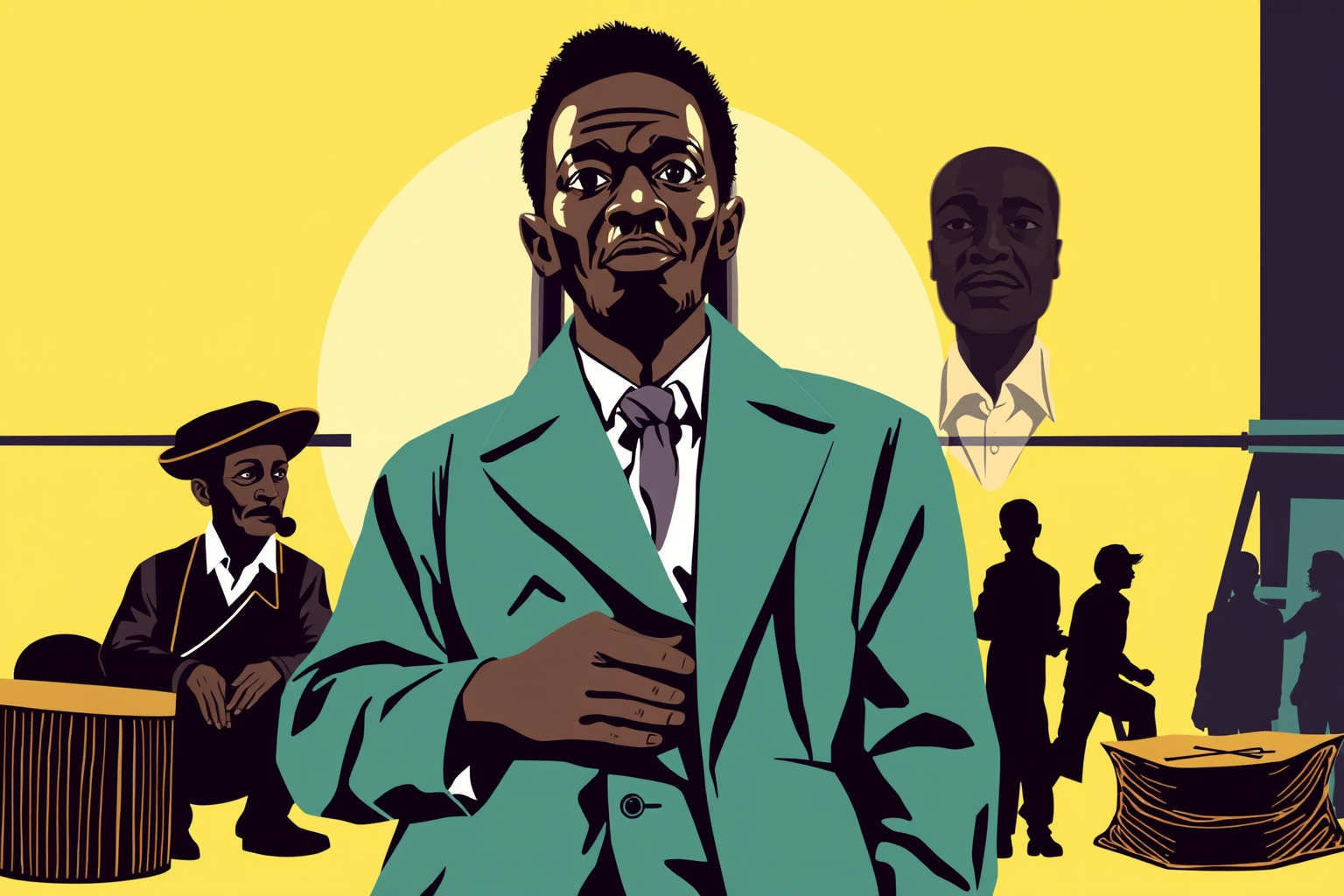
Ninety per cent of the enslaved Africans transported to America travelled on British ships. That statistic anchors Britain's Slave Traders, the new book by historian William A. Pettigrew, which a Guardian review calls a "grimly important" account of how deeply the slave trade shaped modern Britain.
The review, published on 23 September 2026, describes the book as a "revelatory history" that shows "just how deeply embedded slavery is in the foundations of modern Britain."
Pettigrew's central claim carries a striking image. The slave trade, he argues, can be found "in the depths of Britain's grain" — not at the margins of the national story but woven through its economic and social structure. Slave traders' actions, the review notes, transformed Britain in ways that still resonate today.
The book arrives amid a renewed political contest over how Britain remembers this history. In April, the Reform party announced a policy of halting visas to people from countries seeking slavery reparations from Britain. "The United Kingdom is not an ATM for ethnic grievances from the past," the party's home affairs spokesperson, Zia Yusuf, said at the time.
The Guardian review frames that stance as symptomatic of a broader impulse. It points to what it calls "one tedious aspect of Britain's post-imperial melancholia": the number of amateur historians who would prefer the country stop discussing its role in the slave trade. The rhetorical evasions are familiar, the reviewer writes — "Isn't it all in the past? Weren't we the first to abolish it anyway?"
Pettigrew's book answers those questions with evidence rather than argument. The figure of ninety per cent is the book's bluntest rebuttal to anyone casting Britain as a peripheral or reluctant participant in the trade. The enslaved Africans transported to America went overwhelmingly on British ships, and the traders who organised those voyages left their imprint on British institutions, commerce and society.
The review's verdict — "grimly important" — signals the book's dual character. It is neither a celebratory national history nor a polemic, but a documentary accounting of how the trade operated and what it built. Its revelatory force, the review suggests, lies in showing that slavery is not an external stain on Britain's past but part of the foundation itself.
For readers weighing the current reparations debate, the book supplies the historical record that political slogans tend to skip. Whether it shifts the terms of that debate — or simply arms those already engaged in it — will determine its afterlife beyond the reviews pages.
Source: Guardian Books
Elena Vasquez
Show full bio
Senior reporter covering media and advertising at Arts & Voices.