Literature
AK Blakemore's Doom Painting Reimagines the 1381 Peasants' Revolt
AK Blakemore's third novel tracks 16 days of the Peasants' Revolt through viewpoints from Richard II to a porpoise, in prose the Guardian calls dazzlingly rich.
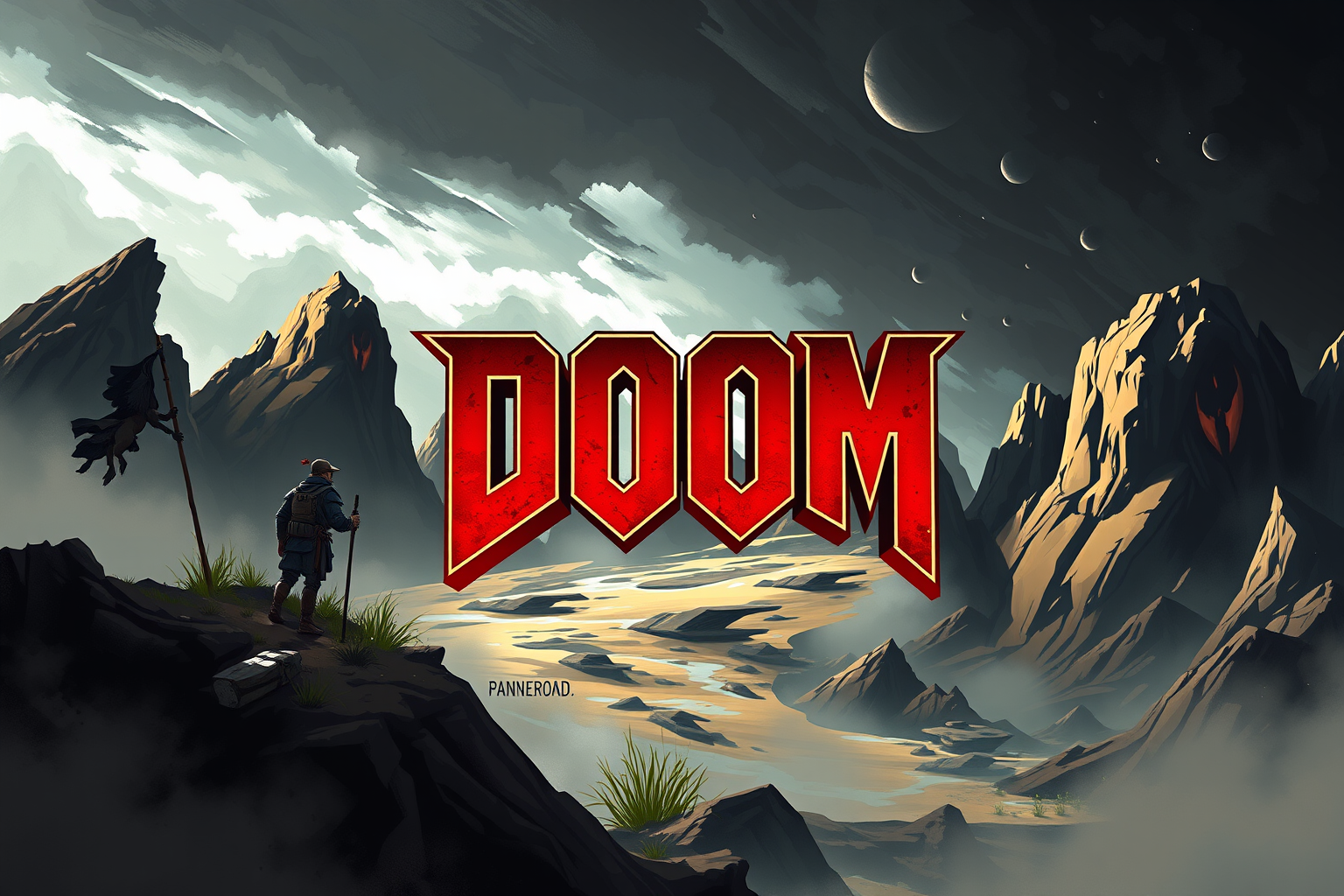
AK Blakemore's third novel, Doom Painting, tells the story of the Peasants' Revolt of 1381, when commoners of all classes — not only peasants, but merchants, servants, smugglers, and some local lords and officials — rebelled against the imposition of a poll tax and rampaged through southern England, burning records of debts, killing their oppressors and laying waste to their homes.
The book follows the events of the rebellion's 16 days, employing a vast array of points of view: the young king Richard II, several of his courtiers, dozens of elements of the rebellious Commons, a porpoise and a runaway horse. The title signals the novel's portrayal of these events as an inevitable reckoning — a "doom painting" was a picture of the Last Judgment on the wall of a medieval church.
The Guardian's review, published on 22 September, calls the book a "recklessly ambitious doorstopper" and "a dazzling epic of the Peasants' Revolt."
As a book of this scope must be, it is a doorstopper. As any novel by Blakemore will be, it is dazzlingly rich in lexical glamour — and this, the review suggests, is likely to be any reader's lasting impression of the book. Sometimes it feels as if the author is out to use every word in the English language in a startling, aestheticised, puckish way that expands both the word and the world.
The result can be joyously silly. Who else, the reviewer asks, would give us slugs that "blurb their elementary forms from out of the undergrowth to begin a dank and toothless festa", or "lunar-brilliantined mud"?
But there is also gravity and passion in the novel, especially when Blakemore intimately imagines the lives of the commoners: "they rise, to fry eggs in butter and pork fat; they rise, to whet knives on scarred stone; they rise, to braid the manes of their draught horses; they rise, to count arrows; they rise, setting aside their glitchy dreams of hairy stars and blue-skinned devils; they rise, fearful and powerful, into the bright day."
That cheekily anachronistic "glitchy", dropped into a medieval scene, is typical of Blakemore's method. All forms of language, high and low, archaic and modern, are here.
Her use of detail to convey a historical scene is also extraordinary, the review notes. There is the barber's chair where "a crowd has gathered beneath the ribboned pole to watch the draining of a cyst"; the brewer with "a grotty beard, chlorotic with hops, [that] hangs down almost to his belt"; or "the horseflies waltzing over the liquefying flesh of severed heads".
For Blakemore, whose previous novels include The Manningtree Witches and Glory Days, Doom Painting consolidates a signature: maximalist prose pressed into the service of England's marginal histories. The 1381 uprising has rarely been rendered at this scale or with this linguistic appetite — and the review suggests readers will come away with the prose itself burned into memory as firmly as any chronicle of the revolt.
Source: Guardian Books
Daniel Okafor
Show full bio
News editor covering consumer brands and retail at Arts & Voices.