Film & Screen
The Man Who Stole the Sun Returns in 4K After Decades of Obscurity
Kazuhiko Hasegawa's obscure 1979 nuclear thriller The Man Who Stole the Sun gets a 4K restoration, opening in Japan October 16 with a possible U.S. release via Toho.
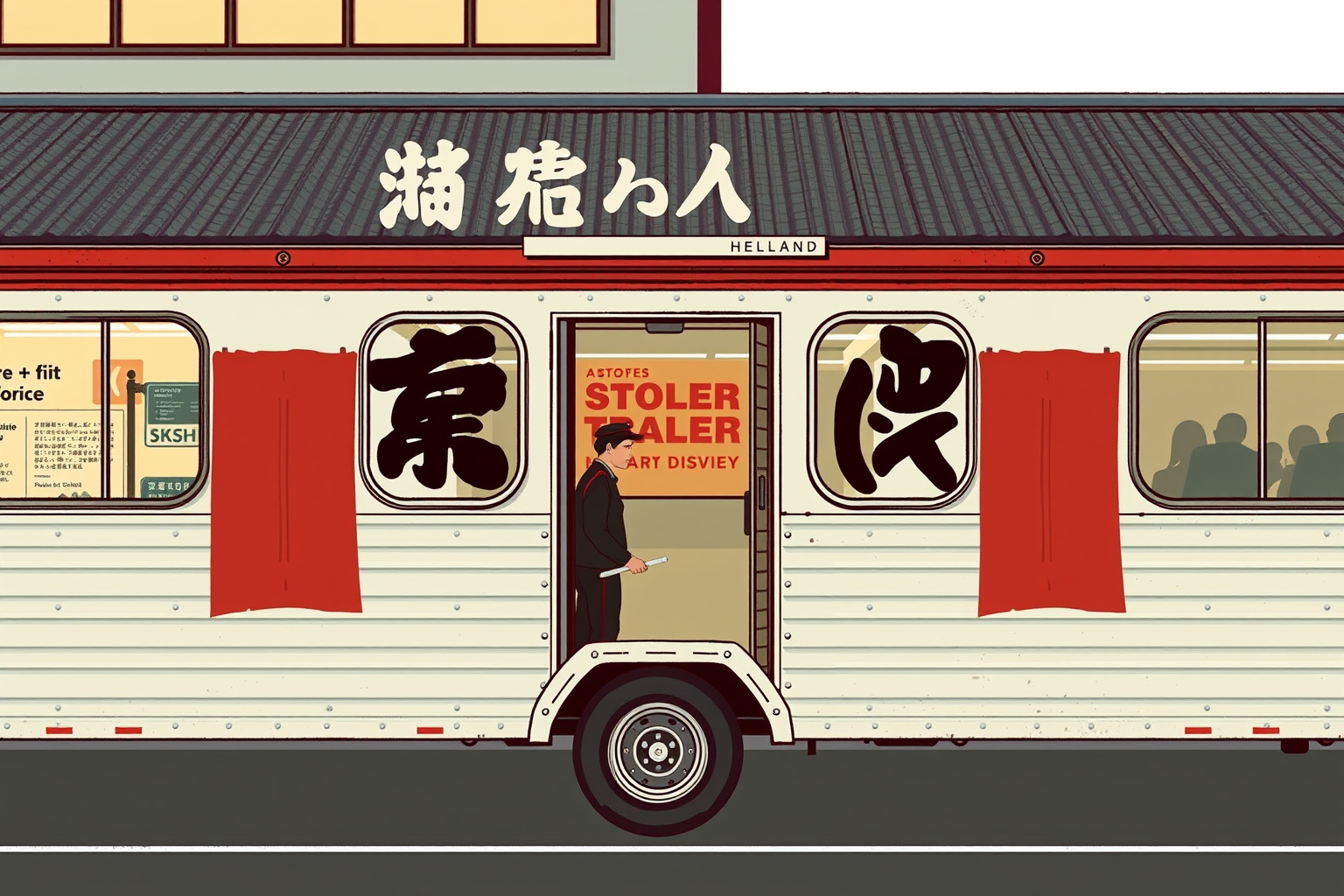
A 4K restoration of Kazuhiko Hasegawa's The Man Who Stole the Sun opens in Japan on October 16, and Toho may facilitate a U.S. release. A new trailer has debuted ahead of the domestic launch, reported Eiga.
The film has spent much of its nearly 50-year existence in relative obscurity. Leonard Schrader—brother of Paul, co-writer of Blue Collar and Mishima—originated the idea for a movie about a man who holds Tokyo hostage with an atomic bomb built in his apartment. Hasegawa directed the result, his second and final feature, in 1979.
The Japan Society, which recently presented a 35mm print, described the work in its program notes: "Starring androgynous pop star Kenji Sawada, Hasegawa's sprawling, anarchic masterpiece—featuring guerrilla-shot setpieces at the National Diet, Imperial Palace and Shibuya Tokyu Department Store—broaches his own personal history with the irradiating atom bomb."
The plot follows Makoto Kido (Sawada), a long-haired, gum-chewing science teacher who builds a homemade atomic bomb in his single-room Tokyo apartment and holds the country hostage by making exceedingly absurd demands. Bunta Sugawara plays the strait-laced, flattop inspector who pursues him.
"Makoto Kido (Sawada) ... becomes consumed by the power, with Hasegawa's direction striking a radical balance between its weighty subject matter and breathtaking spectacle," the Japan Society notes state. "Equal parts actioner, black comedy and momentous tragedy, The Man Who Stole the Sun suggests that we are all victims of the nuclear age."
The film rewards comparison with the Japanese New Wave, the work of Paul Schrader (Taxi Driver, First Reformed), the writings of Yukio Mishima and Michel Houellebecq, and the later careers of two participants: assistant director Shinji Sōmai and production staffer Kiyoshi Kurosawa, both of whom became major directors.
The Film Stage, which reported the restoration news, called it "one of the greatest films made in Japan or, really, anywhere else, an object whose absence leaves film history poorer."
The new trailer and the film's soundtrack are now available to stream. If Toho secures international distribution, the restoration could finally return Hasegawa's film to the canon its champions argue it never should have left.
Original: eiga.com
Marcus Bennett
Show full bio
Staff writer covering industry trends and analytics at Arts & Voices.