Abstractjity turns insomnia into sleeve art for a 2020 lo-fi EP
Abstractjity builds blurred silhouettes, distorted landscapes and damaged-photo effects into cover art for independent electronic and lo-fi releases, including a 2020 EP.
Programme
- Abstractjity created the artwork for rocomoco and The Hidden's 2020 EP Wishing the Clouds Away.
- A Design You Trust feature presents more than 45 images by the artist.
- His compositions combine photography, digital collage and surrealist experimentation.
- Recurring motifs include blurred silhouettes, mysterious women, distorted landscapes and ghostly fragments of light.
- The feature points readers to the artist's Instagram account, where the images continue to circulate.
In 2020, the visual artist Abstractjity created the artwork for rocomoco and The Hidden's EP Wishing the Clouds Away, an independent electronic and lo-fi release. The pictures did not arrive as a single narrative.
A Design You Trust feature now presents more than 45 of his images. The selection traces an obsession with the hour when sleep refuses to arrive, and with the pictures that hour produces.
What does insomnia look like?
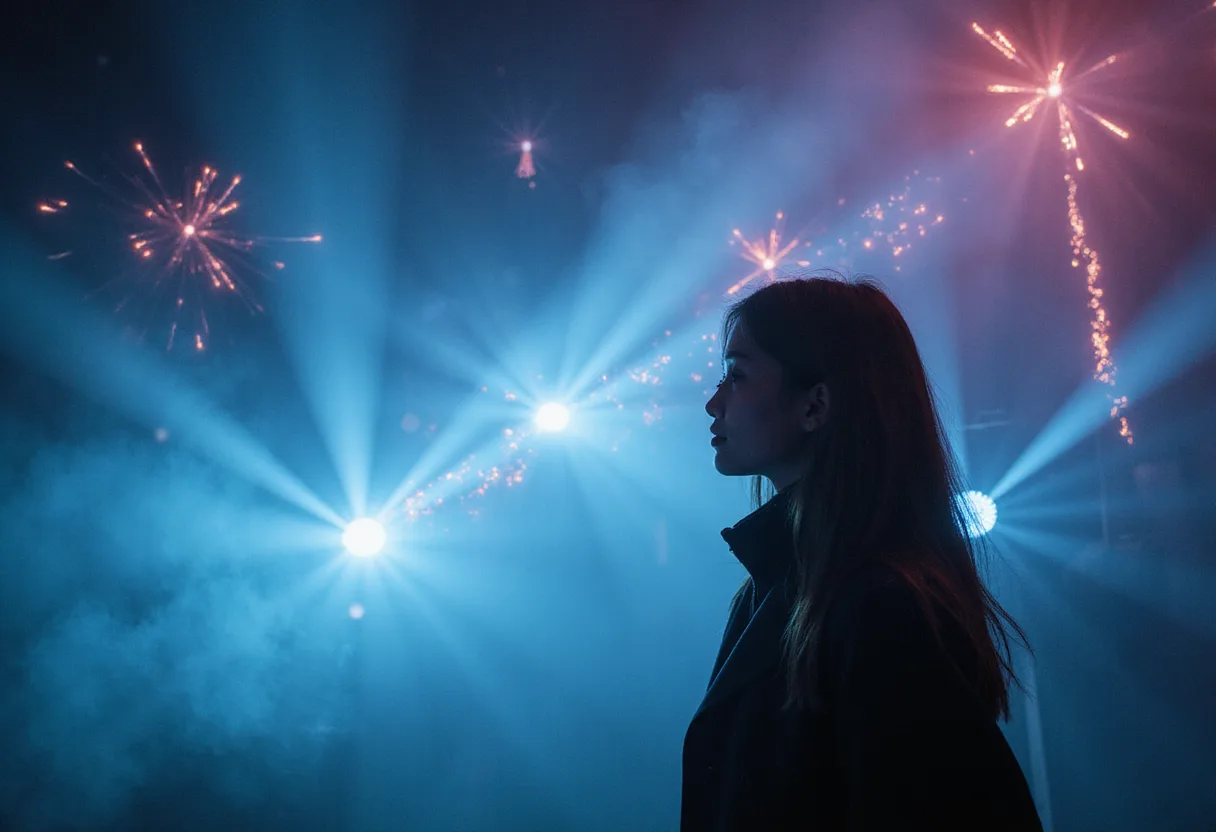
A figure runs through a strangely illuminated landscape. The colors slide away from the familiar. Film grain roughens the edges until the scene resembles something recovered rather than seen.
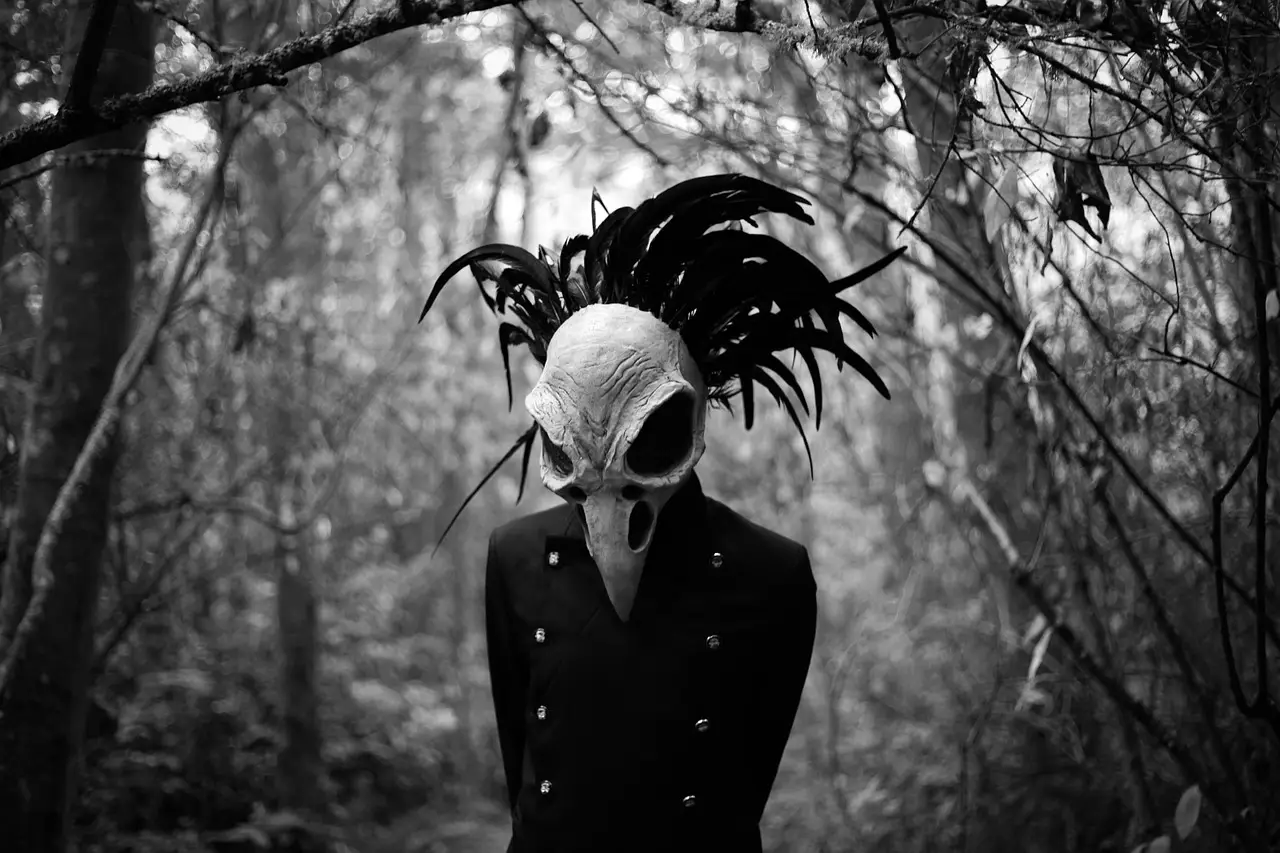
The feature places Abstractjity's work "somewhere between photography, digital collage, and surrealist experimentation." His compositions hold blurred silhouettes, mysterious women, distorted landscapes and ghostly fragments of light within the same frame.
Instead of documenting sleeplessness, the artist constructs it from recurring fragments of bodies, light and terrain, then leaves the viewer to assemble the whole.
The feature says Abstractjity describes his artistic journey through the language of insomnia. Each image moves in stages: a landscape first, then a blurred human form, then a flare of color that unsettles both. The sequence resembles the way a half-remembered dream rearranges itself each time it is told.
How does he make a photograph look damaged?
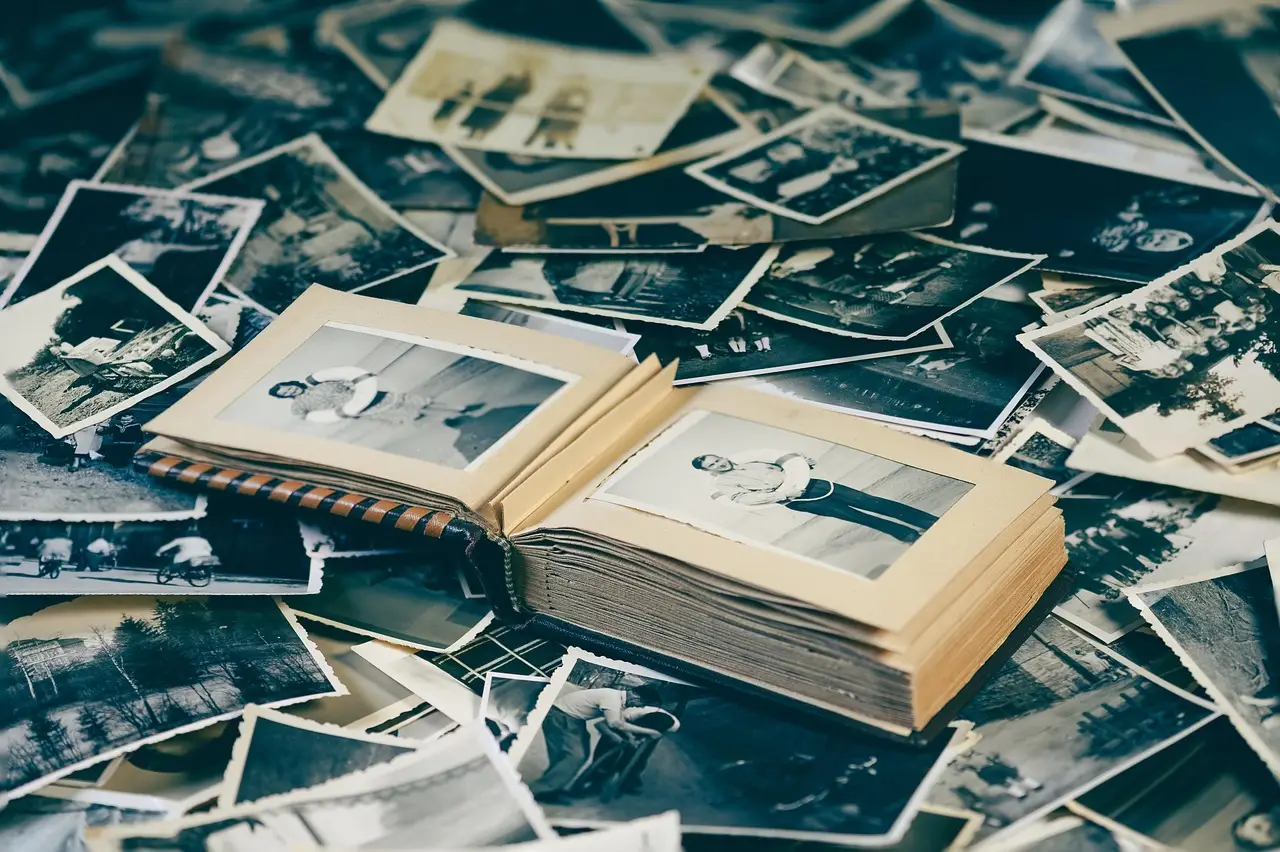
Film grain, unusual color combinations and deliberate visual imperfections give the work the appearance of damaged photographs discovered in an old shoebox.
The method shapes what counts as evidence before any finished scene appears. A hard edge sits against a bleached field. A bright shape drifts into near-black. The result resists a clean description, and the feature treats that resistance as the work's purpose rather than a failure of resolution.
The feature offers its own test case. A running figure in an illuminated landscape "might suggest freedom, loneliness, or a half-forgotten nightmare, depending entirely on who's looking." The attribution hands agency to the viewer and leaves the image unresolved.
What does this change for record sleeves?
For listeners, these images arrive on covers and sleeves beside the music they accompany. Abstractjity has made artwork for independent electronic and lo-fi releases, including the 2020 EP Wishing the Clouds Away.
The pairing works because both forms share the same habits. The feature compares his visual language to ambient music: fragmented impressions, gentle melancholy, and a sense of drifting through unfamiliar emotional spaces.
What a sleeve adds is a stillness the music does not need. It also removes any expectation of a narrative, since the picture makes no claim on the eye for long.
Rather than explaining exactly what the viewer sees, the images leave that viewer suspended where memory, imagination and reality begin to overlap.
Where the work goes next
The feature directs readers to Abstractjity's Instagram account, where the images continue to circulate. The account now serves as the artist's public gallery.
How the ambiguity holds at a larger scale remains untested. So far, the artist has kept it intact, and each new release gives the same language another surface to work against. As the posting continues and more sleeves follow, the insomnia motif looks less like a signature than a working method: images made unresolved on purpose, and left that way.
Source: designyoutrust.com
More from Marcus Bennett
Show full bio
Staff writer covering people, launches and day-to-day practice in arts in the broadest sense at Arts & Voices.
1,246 articles