All 10 van Eyck portraits gather in London as New York sale week runs
Ben Luke tours Van Eyck: The Portraits with co-curator Emma Capron, reads New York sale week with Melanie Gerlis, and visits a 1574 maiolica wine cooler made for Cosimo I de' Medici.
Programme
- Van Eyck: The Portraits unites all 10 surviving portraits of the Flemish painter at the National Gallery, London, 21 November to 11 April 2027
- Co-curator Emma Capron tours the show with podcast host Ben Luke, who calls it "truly a once-in-a-lifetime experience"
- The exhibition includes one drawing attributed to van Eyck rather than a documented portrait
- New York auction week brings hundreds of millions of dollars of art under the hammer; Financial Times and The Art Newspaper columnist Melanie Gerlis reviews the results so far
- Work of the Week is a maiolica wine cooler made in 1574 by the workshop of Flaminio Fontana in Urbino for Cosimo I de' Medici; Wallace Collection show runs until 21 March 2027
By Grace Kim
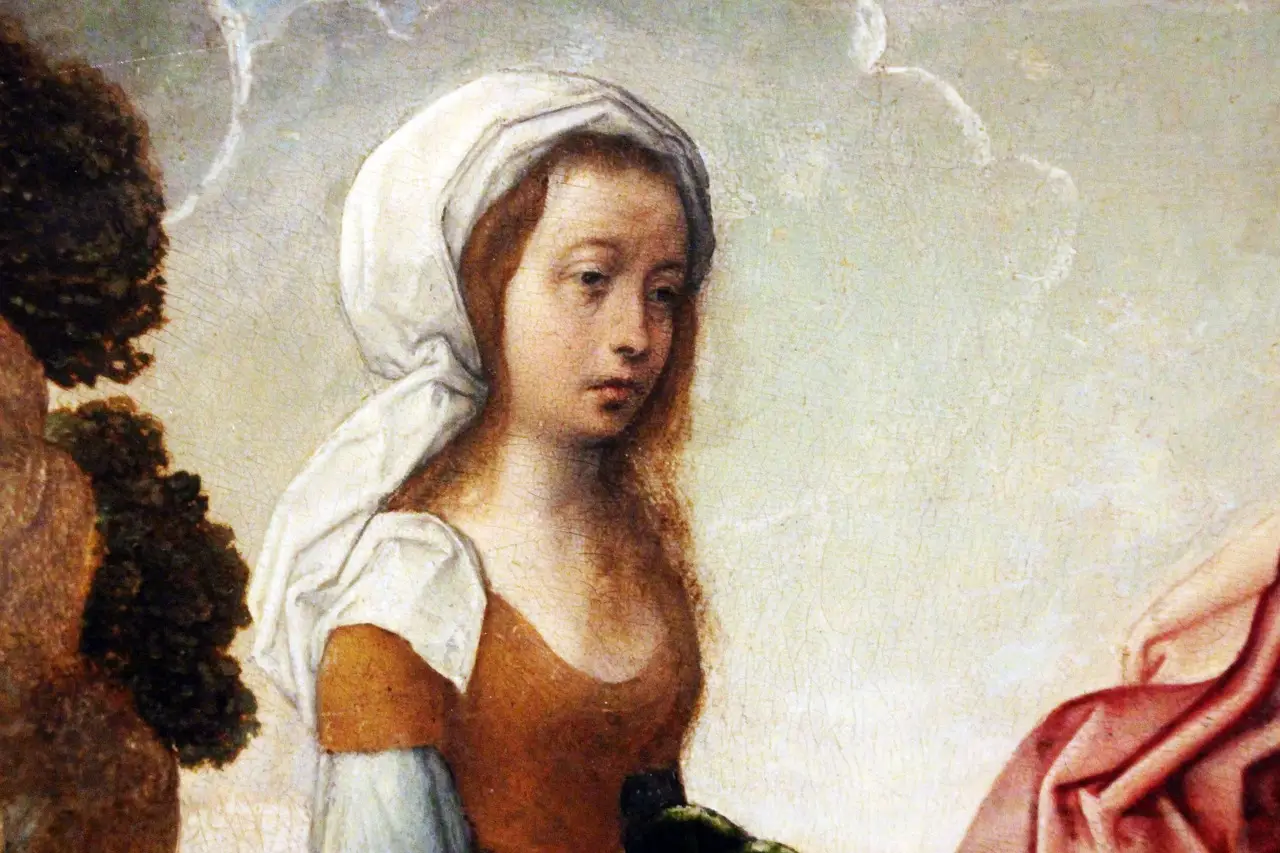
All 10 surviving portraits by the Flemish painter Jan van Eyck are brought together in one London exhibition from 21 November. Van Eyck: The Portraits at the National Gallery runs to 11 April 2027, and Ben Luke's new podcast episode walks the rooms with its co-curator, Emma Capron. The episode notes make no effort at restraint: "it is truly a once-in-a-lifetime experience."
The claim rests on a plain logistics problem. Van Eyck's portraits are dispersed among collections, so assembling every one of them means lenders agreeing to long loans, and the National Gallery has secured them for a run of nearly five months. The tenth item is a drawing, which the episode notes describe as "the one miraculous drawing attributed to him." Attribution, in other words, is the drawing's status rather than a settled fact, and the exhibition puts it among the portraits without claiming more.
What does the van Eyck show change for visitors?
For nearly everyone who goes, it changes the odds. Seeing all ten in a single visit is not a matter of picking a good day, and it may never be repeated on this scale, which is the point Luke and Capron press during the tour. The show also asks visitors to hold two categories of object at once: documented paintings, and one work whose author remains an argument. That choice moves attribution out of the catalogue footnote and into the gallery itself.
For a market audience, the second strand of the episode is timing. New York is auction week, with hundreds of millions of dollars of art coming under the hammer, and Melanie Gerlis — an art market columnist for the Financial Times and The Art Newspaper — joins Luke to read the week's results so far. Because the conversation lands mid-week, the totals are provisional. The question Gerlis is answering is how the week has behaved, not what it finally adds up to.
The mechanism is concentration of buying decisions. Auction week compresses a season of negotiation into a handful of evenings, so a few results carry disproportionate weight in how the wider market is read. That makes an interim reading useful and risky in equal measure, and it explains why the podcast takes the question while the sale is still open rather than after the hammer prices are final.
A 1574 wine cooler for Cosimo
The episode's Work of the Week is a maiolica wine cooler — tin-glazed earthenware pottery — made in 1574 by the workshop of Flaminio Fontana in Urbino. It was made for Cosimo I de' Medici, who now has a small exhibition of his own at the Wallace Collection in London. Julia Van Zandvoort, curator of the display, talks Luke through the piece. Cosimo I de' Medici: Art and Dynasty is open now and runs until 21 March 2027.
A cooler — a vessel built to chill wine — is a working object first, and its manufacture advertises the workshop's control of glaze, form and scale. That double life is the reason a single ceramic can anchor a display: the object records a patron's taste and a factory's capability at the same time. The drawing the episode chooses to focus on, and the portrait it calls miraculous, make the same argument in another register. Genius here is a matter of evidence, assembled and displayed.
Both London shows have long horizons, and the episode catches them early. Van Eyck stays at the National Gallery until 11 April 2027 and the Cosimo display remains at the Wallace Collection until 21 March 2027, while New York's final sale totals are still to be settled. Luke's episode is a mid-week snapshot; the exhibitions are the long read.
Source: theartnewspaper.com
More from Grace Kim
Show full bio
Correspondent covering technology and product news in arts in the broadest sense at Arts & Voices.
1,754 articles