Van Eyck's Nine Portraits Reunite at the National Gallery
Nine Jan van Eyck portraits, loaned from Berlin to Sibiu, meet for the first time at the National Gallery. The Guardian: humanness captured "in every pore and wrinkle."

Programme
- Nine Jan van Eyck portraits are united for the first time at the National Gallery, London.
- Loans come from Berlin, Vienna, Dresden, Bruges and Sibiu, Romania.
- The paintings date from almost 600 years ago, the 15th century.
- Co-curator Nicholas Flory said visitors might "recognise them on the tube".
- Cambridge dictionary named "human" its word of 2026.
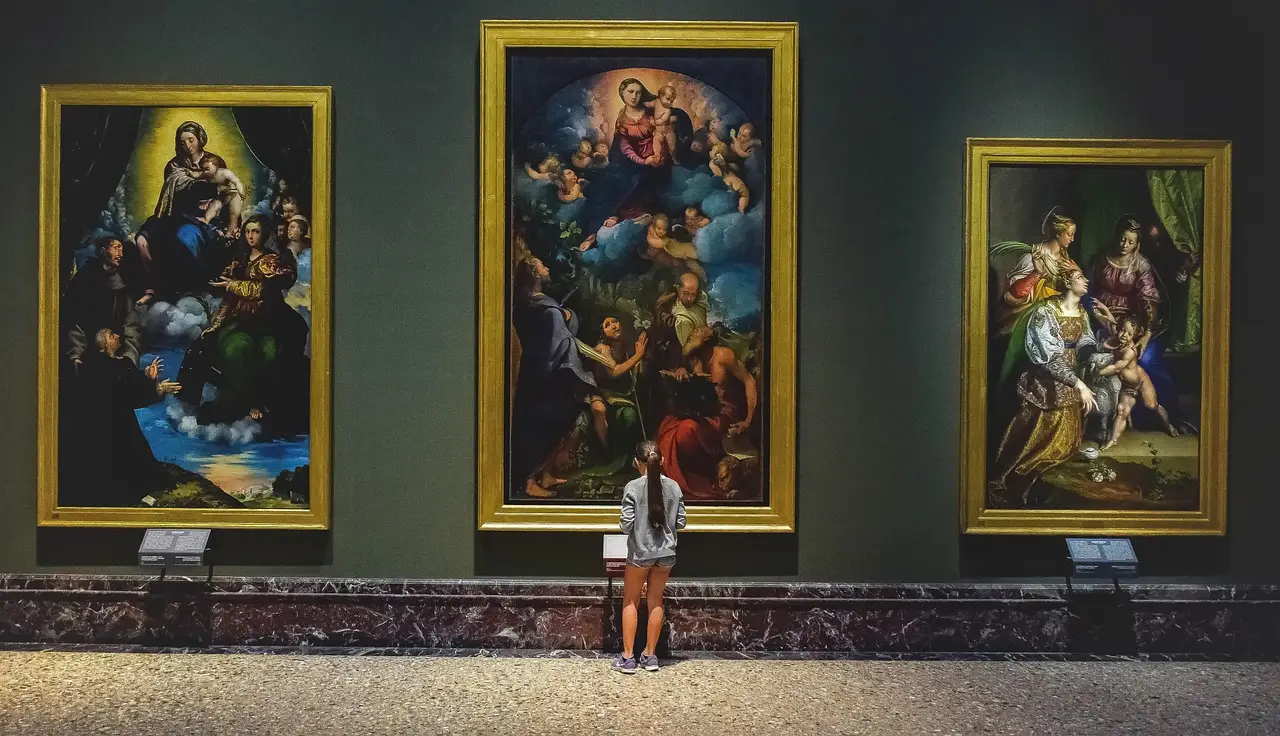
Nine portraits by Jan van Eyck go on view together for the first time at the National Gallery in London, united in a single exhibition nearly 600 years after they were painted.
The loans come from Berlin, Vienna, Dresden, Bruges and Sibiu in Romania. The Guardian's editorial desk calls the gathering "a triumph of cultural exchange" and reads it as proof that the blockbuster exhibition — the museum-world mega-show built on international loans — "is still very much alive."
The timing is neat. Cambridge dictionary has just crowned "human" its word of 2026, and the Guardian's editorial argues that the word's meaning is "nowhere more manifest" than in this display of 15th-century painting. Humanness, the editorial writes, "is captured in every pore and wrinkle" of all nine portraits.
What makes these faces feel contemporary?
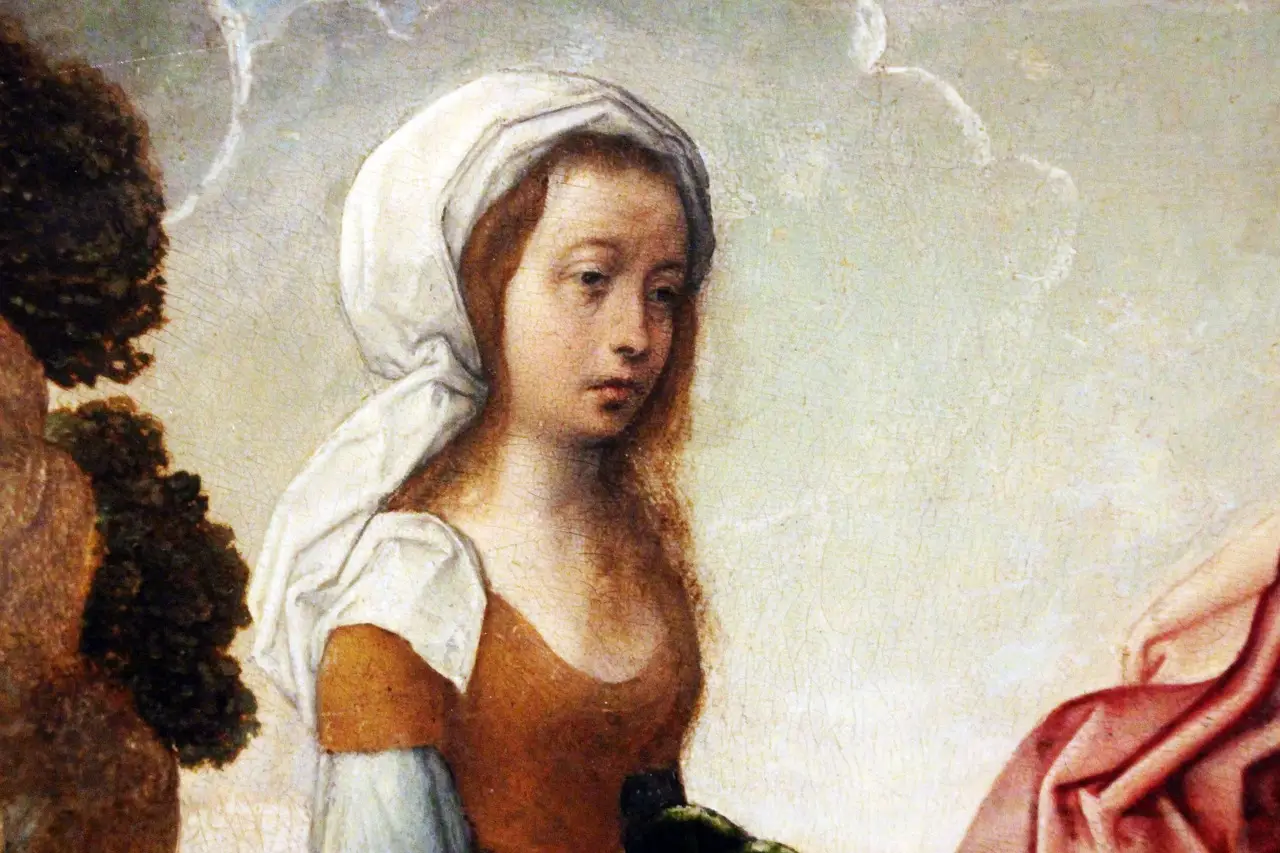
The details do the work. A purplish wart. A tiny scar. Bloodshot eyes, sagging jowls, dirty fingernails. The Guardian credits these intimate particulars with two things at once: they transformed Renaissance portraiture, and they make Van Eyck's sitters relatable — in modern parlance — today.
The editorial draws a literary comparison. Like a novelist, the artist wanted to create the impression of capturing his subjects in a moment of time. That is a precise claim about method, not just praise. Van Eyck was after the arrested instant, the face caught mid-life rather than posed for posterity.
Would you recognise them on the tube?
The exhibition's co-curator, Nicholas Flory, thinks so. He said visitors might "recognise them on the tube" — the London Underground, that is — "even given their extravagant headgear." The quote carries the show's whole thesis in one line. The faces are that specific, that alive, that close.
It's a curious inversion worth noting. A dictionary selects an abstract word as the term of the year, while a gallery full of oil panels from the 1400s demonstrates the concept more convincingly than any definition could. Six centuries of varnish haven't blunted the effect of a bloodshot eye.
The institutional backdrop matters too. Blockbuster shows have been declared endangered since the pandemic squeezed loan logistics and museum budgets. An assembly of nine works from five European cities, including Sibiu — not the first stop on any usual loan circuit — argues the opposite. Museums can still move mountains, or at least panels, when the artist justifies it.
Van Eyck warrants it. His portraits mark the point where European art began recording individual faces with unsparing fidelity, warts and all, quite literally. The National Gallery has gathered the evidence in one room.
If the exhibition sustains its curators' claims when critics and crowds file through, "Van Eyck: The Portraits" may become the season's reference point for what portraiture at its most honest can still do — and a reminder that the oldest paintings in London this winter will also be the most lifelike.
Source: theguardian.com
More from Daniel Okafor
Show full bio
News editor covering companies, deals and strategy in arts in the broadest sense at Arts & Voices.
1,669 articles