Andrew Scott Became Ian Charleson With Highlights and Blue Lenses
Makeup head Nadia Stacey used blonde highlights, blue lenses and tattoo-transfer lesions to turn Andrew Scott into Ian Charleson for 'Elsinore,' the biopic of the actor who played Hamlet while dying of AIDS.

Programme
- Ian Charleson played his final Hamlet at the National Theatre on Nov. 13, 1989, while secretly dying of AIDS.
- Nadia Stacey transformed Andrew Scott with blonde highlights, blue contact lenses and tattoo-transfer sarcoma lesions.
- Olivia Colman plays Margaret Johnson, Charleson's doctor, wearing a blonde bob wig based on photographs.
- David Rintoul, Charleson's real best friend, plays the Ghost of Hamlet's father in the film.
- Charleson tested positive for HIV in 1986, three years before his last performance.
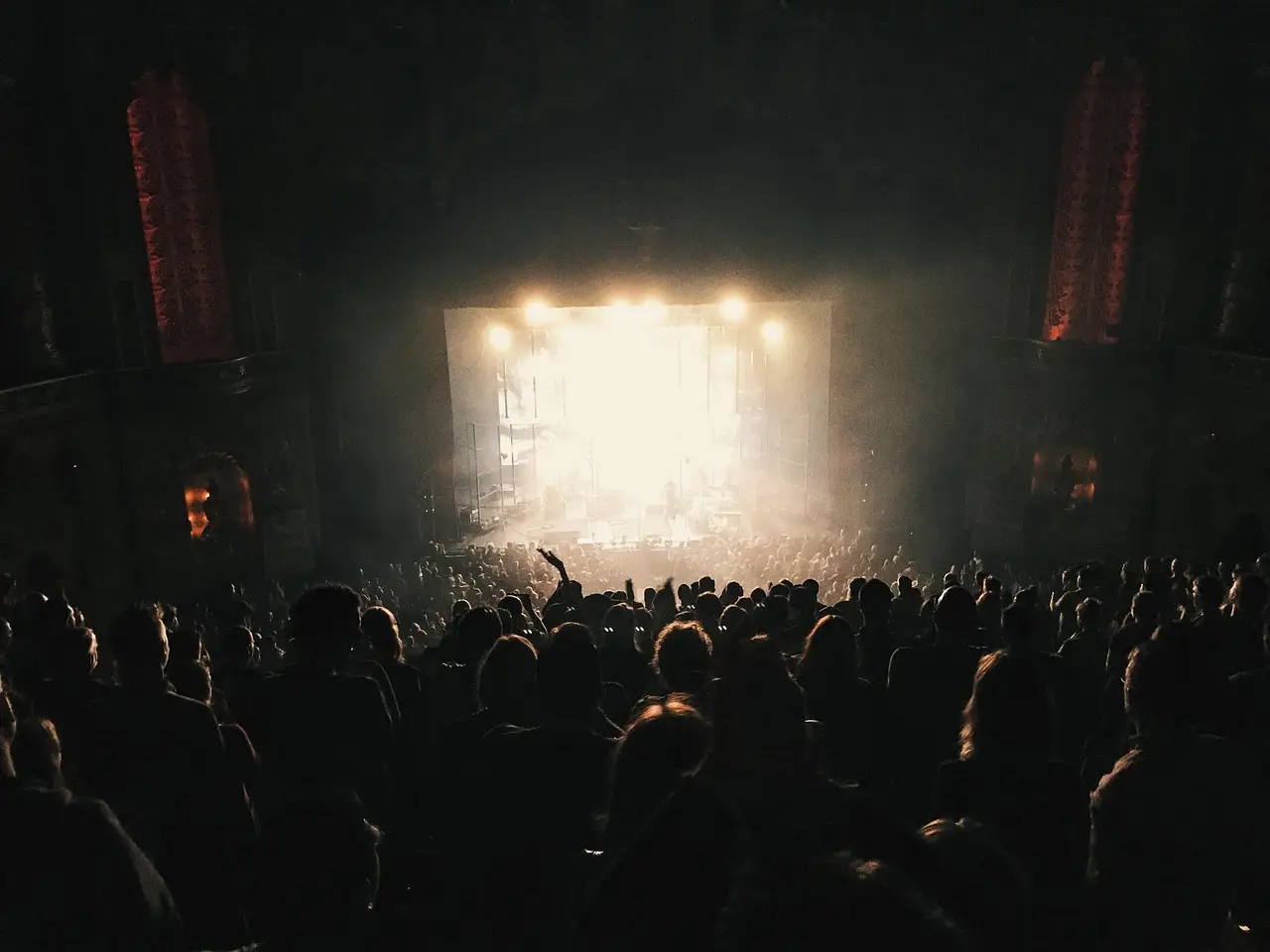
On Nov. 13, 1989, Ian Charleson walked onto the stage of the Olivier Theatre at London's National Theatre to play Hamlet for the last time. He was dying of AIDS, a fact he kept secret, and few of the roughly 1,000 audience members knew his story. Stephen Beresford's new biopic "Elsinore," currently in theaters, tells that story with Andrew Scott as Charleson and Olivia Colman as Margaret Johnson, the doctor who treated him.
The film reunited the two actors after "Fleabag," and it demanded a double transformation: Scott and Colman had to become real people and return to the 1980s. Makeup department head Nadia Stacey, honored at last month's Middleburg Film Festival, led that work. "When there are real people, you have to be sympathetic to them," she said.
How do you turn Andrew Scott into a blonde, blue-eyed Hamlet?
Stacey called the 1980s a tricky period to recreate, one that can easily slide into cliché. "You immediately imagine everybody had a perm," she said. Her guiding rule kept the work restrained. "My approach every time is that you shouldn't notice hair and makeup unless you actually want to notice hair and makeup. The story told itself. I just needed to tell his journey and put us in the era we were in without overdoing it."
The central problem was physical. "We know Andrew as that — jet black hair and brown eyes," Stacey explained. Charleson had blonde hair and blue eyes. A radical bleaching risked jarring the audience, so Stacey and Scott found another path. "We didn't want to push something too far to jar the audience. Andrew and I talked about it, and we said we should approach it in the sense of how an actor at that time would have done it. They would have been dyeing their hair themselves." The solution: a full head of blonde highlights and blue contact lenses.
Stacey then tracked the arc of Charleson's illness after he tested positive for HIV in 1986. As his health declined, she discolored Scott's skin tone, added dark circles and applied sarcoma lesions with tattoo transfers placed on Scott's body.
What did Colman's transformation require?
Johnson had a blonde bob in photographs, and Stacey built the look around it despite the risks. "The second you put a wig on someone, as an audience, you know they're wearing a wig. So it's hard to make sure that it looks good," she said. "I felt like we were telling a story about real people, and we needed to be as close to that as possible without pulling her out of the story. But from all the photos we had of Margaret, we know she had this blonde bob, so we tried it." It worked.
Colman had done her own research and welcomed the choice. "We tried on the wig in the makeup room, and because I had been watching Margaret, I was very much up for a wig," she recalled.
The production pushed authenticity further. Casting director Jessica Ronane cast background actors who actually knew Charleson. David Rintoul — Charleson's best friend — plays the Ghost of Hamlet's father, and some of the hospital cast were friends of the late actor. "The most interesting thing about finding out about Ian is every single person he spoke to said, 'Ian was hilarious. Ian was funny,'" Colman said. "Everybody that they approached said, 'Absolutely. Yes, please, count me in.'" Colman noted the film does not glorify Charleson's death.
In the final act, the camera holds on Johnson watching Charleson perform. Scott came in on his day off to support the scene. "It was only on me, and they'd already filmed the other bits, but he insisted. On a very long, exhausting shoot, on his day off, he came in and said, 'Absolutely, I'll do it for you,'" Colman said. "So he was performing bits of 'Hamlet' for me."
At the film's London Film Festival premiere, Colman wept through it. "I cried as it started till the end and had to pass tissues to the person next to me as well," she said. "He's so incredible and so generous and so fun. Honestly, if I could just choose a handful of people to work for the rest of my career, he would absolutely be one of them." Her summary of the response carried the film's larger claim: "There's something beautiful about film reminding you of these past heroes."
Source: Variety Film
More from Marcus Bennett
Show full bio
Staff writer covering people, launches and day-to-day practice in arts in the broadest sense at Arts & Voices.
1,703 articles