Bayreuth's Unrepeatable AI "Ring" Turns Doubters with "Siegfried"
Bayreuth's unrepeatable AI "Ring" reached a turning point with "Siegfried": Thielemann's 7:00-minute finale and Volle's Wotan turned skeptics into defenders of the experiment.
Programme
- Bayreuth's AI "Ring" cycle marks the tetralogy's 150th anniversary and is announced as an unrepeatable experiment.
- Thielemann's finale from "Erwache, Brünnhilde!" ran 7:00 minutes, versus 6:55, 6:05 and 6:00 in three reference recordings.
- Each act opened with imagery drawn from the "Ring" that premiered in 1876.
- Michael Volle sang Wotan in three of the cycle's four operas; Vogt and Nylund continued their La Scala "Ring" partnership.
- The review compares the public rejection to that of Wieland Wagner's 1951 "Parsifal."
Bayreuth's AI-generated "Ring" cycle, announced as an unrepeatable experiment, marked a turning point with its third opera, "Siegfried," in the tetralogy's 150th-anniversary year. The production, previously booed and "ultimately rejected by almost everyone," found new defenders at this performance.
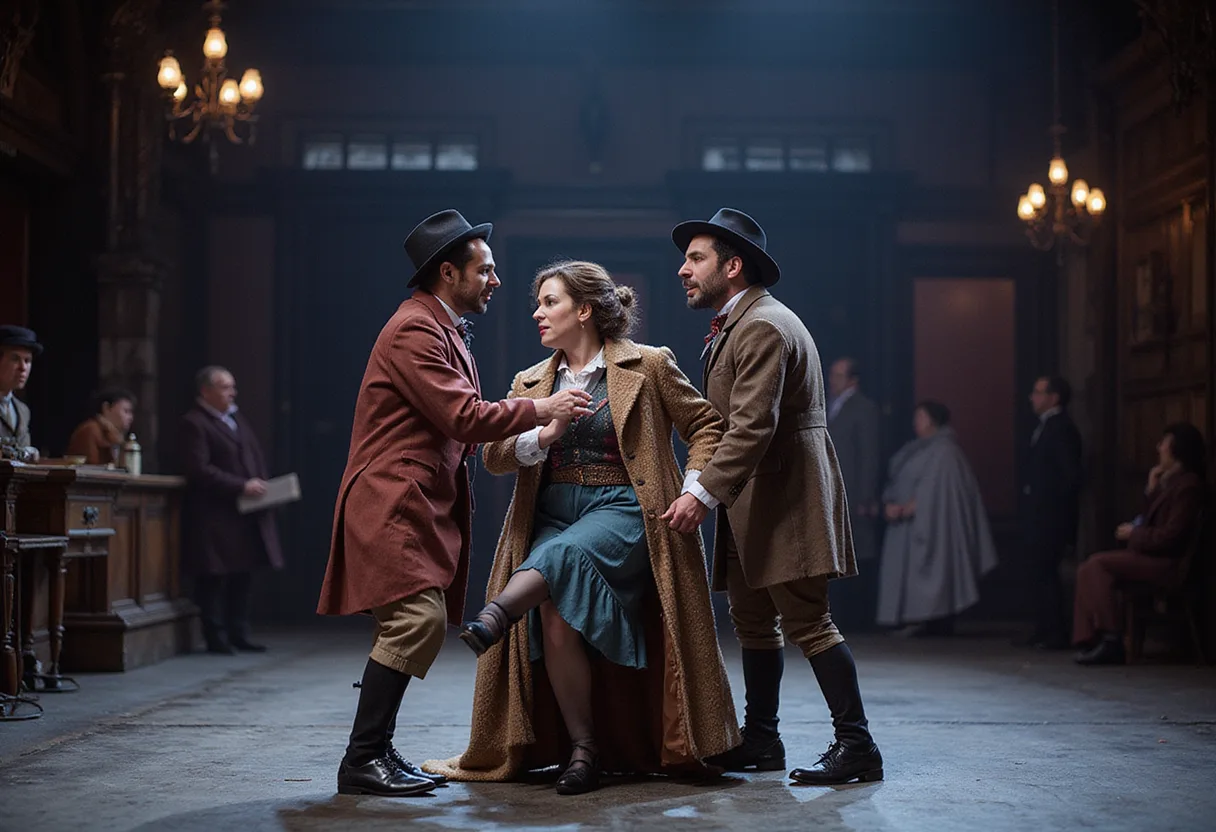
The Festspielhaus staging, titled "Ring 10010110 – from Myth to Code," projected generative AI imagery behind singers while a system continually analyzed Wagner's libretto, score, and original directorial indications. More than one spectator confessed the result was "rather involving," and that the barrage of images was "less disturbing than the opera's own dramaturgy."
How did the audience split?
Viewers pulled in two directions. Some reacted directly to the images, in which the drama's characters seemed to dwell hidden in a forest. Others followed the imagery's loose suggestions, spread across a landscape of past Bayreuth "Ring" productions. Spectators bound to the text were irritated by the grey, feathery costumes, which made distinguishing one character from another nearly impossible.
A series of tulle curtains obscuring the stage became, for this observer, the truth-obscuring Veil of Maya. The reviewer notes a common experience: operas disliked on first viewing often improve on return — though this "Ring" will never offer that chance, destined to fade with the intangible images it celebrated.
Much of what appeared in "Das Rheingold" and "Die Walküre" as isolated blobs on giant screens now showed a common base, confronting the elements of nature whisked through Wagner's score. Each act opened with a sketch or photo of the "Ring" that premiered in 1876, then moved through iconic photography mixed with abstract expressionism.
The review draws a parallel to Wieland Wagner's 1951 "Parsifal," likewise rejected by public and critics, with its essential props and almost imperceptible lighting shifts suggesting interior moods.
What did Thielemann do with the score?
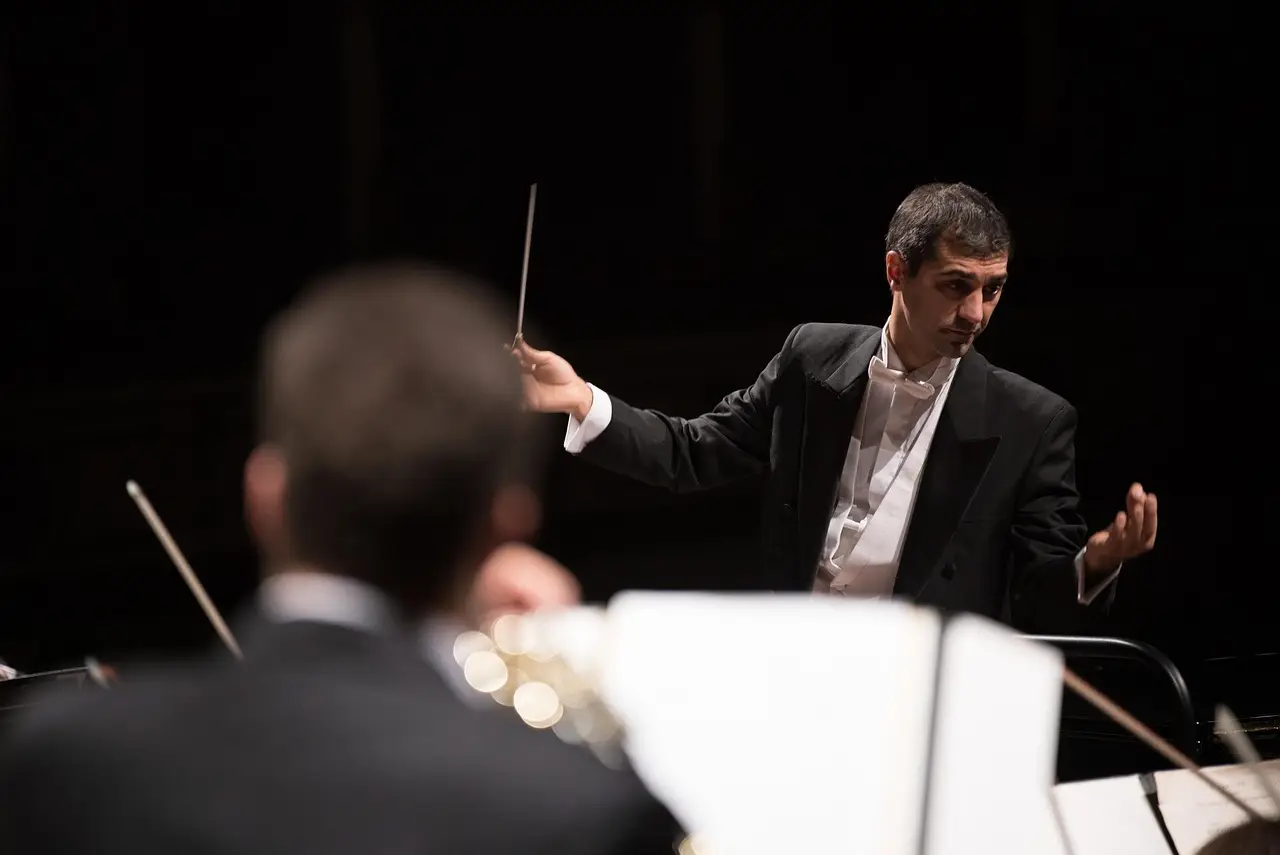
Conductor Christian Thielemann's exploration rewarded the live radio broadcasts of the entire cycle. Chamber-music effects allowed individuation of instruments, and his relationship with the singers followed Wagner's expressive comments on balance. Critics called his pacing brisk, but the ending — from Siegfried's "Erwache, Brünnhilde! Wache, du Maid!" to the final note — took 7:00 minutes, against 6:55, 6:05, and 6:00 in three well-known recordings. Stage action, lighting, and dynamics, the reviewer warns, easily distort our perception of time in the theater.
"Brünnhilde's Awakening" gained drama through orchestral balance: where others use blaring trumpets and vibrato-heavy strings, Thielemann chose strong winds, the oboe, and pounding timpani.
Who carried the performance?
The singers were the heroes. Baritone Michael Volle, as Wotan in three of the four operas, delivered "a majestic, floating, billowy, and menacing entity" — his mellow bass "brought us a Wotan to remember." Tenor Klaus Florian Vogt and soprano Camilla Nylund, continuing their recent La Scala "Ring" partnership, matched voices with elegance and commitment. Nylund's seasoned Brünnhilde paced herself through ever-changing registers; the final duet showed that "only by abandoning oneself to laughter can you truly experience a release from pain."
The dwarf brothers — Jochen Schmeckenbecher's Alberich and Gerhard Siegel's Mime, "almost the Laurel and Hardy of the 'Ring'" — drew praise as Bayreuth-history-caliber performances. Siegel's mirrored diction is "a praiseworthy gift"; Schmeckenbecher's Act 2 monologue was "speckled with paranoid inflections."
What comes after AI staging?
The review closes on reform: not the scrims or the programming, but a duality of theatrical participation — a living tableaux vivant hovering beyond the proscenium — hints at a new future for opera, one needing only its own manifesto, just as Wagner dreamed music would serve the drama. After the 1876 "Götterdämmerung," Wagner told his public they were responsible for carrying on where he began; the widespread refusal of this AI "Ring" left some disheartened, especially those who believe the Bayreuther Festspiele must lead the way.
Original: en.wikipedia.org
More from Elena Vasquez
Show full bio
Senior reporter covering technology and product news in arts in the broadest sense at Arts & Voices.
712 articles