Cavalli's 'La Calisto' Returns to Staatsoper Berlin After 30 Years
Barocktage returned to Staatsoper Unter den Linden after two years with Cavalli's 'La Calisto,' staged 30 years after René Jacobs' landmark 1996 production.
Programme
- Barocktage festival returned to Staatsoper Unter den Linden after a two-year absence.
- The new 'La Calisto' arrives 30 years after René Jacobs' landmark 1996 production.
- The production is a co-production with Theater an der Wien.
- Ensemble L'Arpeggiata and Akademie für Alte Musik Berlin performed under Christina Pluhar.
- Cavalli operas are also resurging at Aix-en-Provence and Bayreuth.
By Elena Vasquez
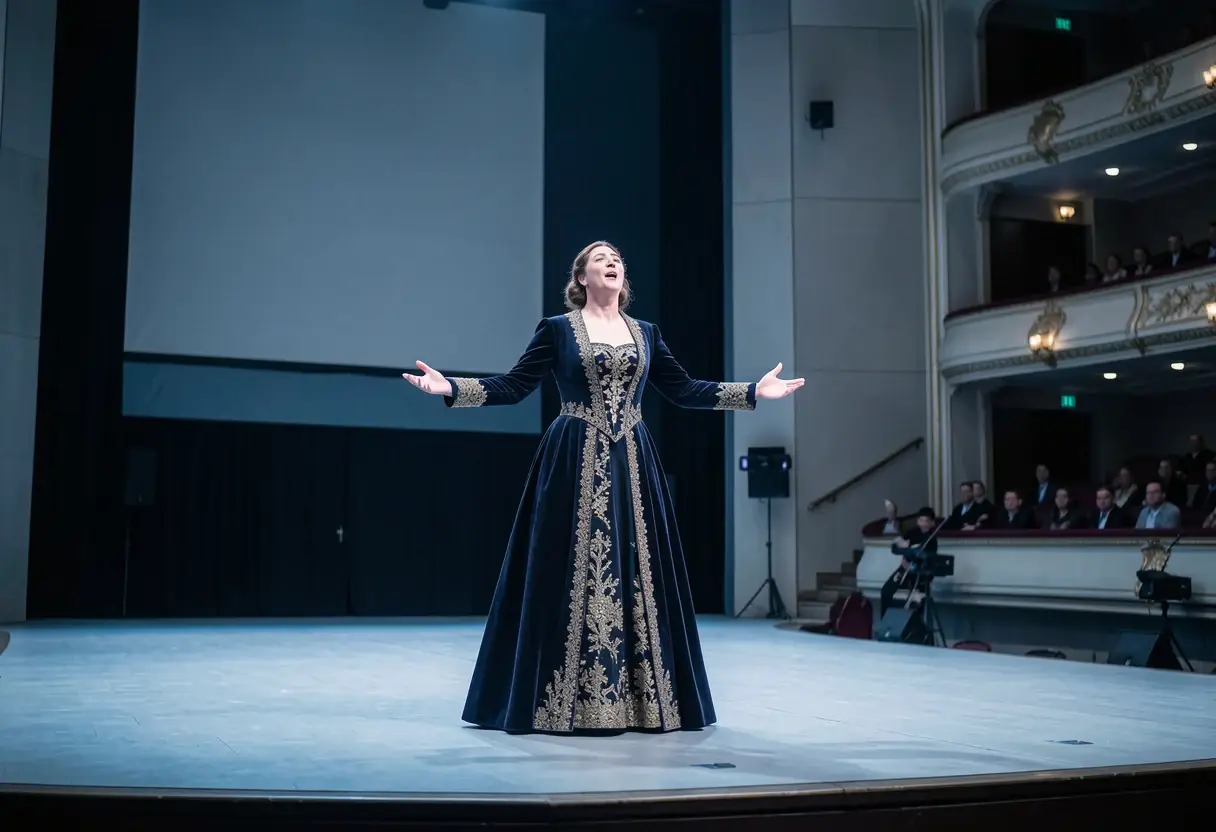
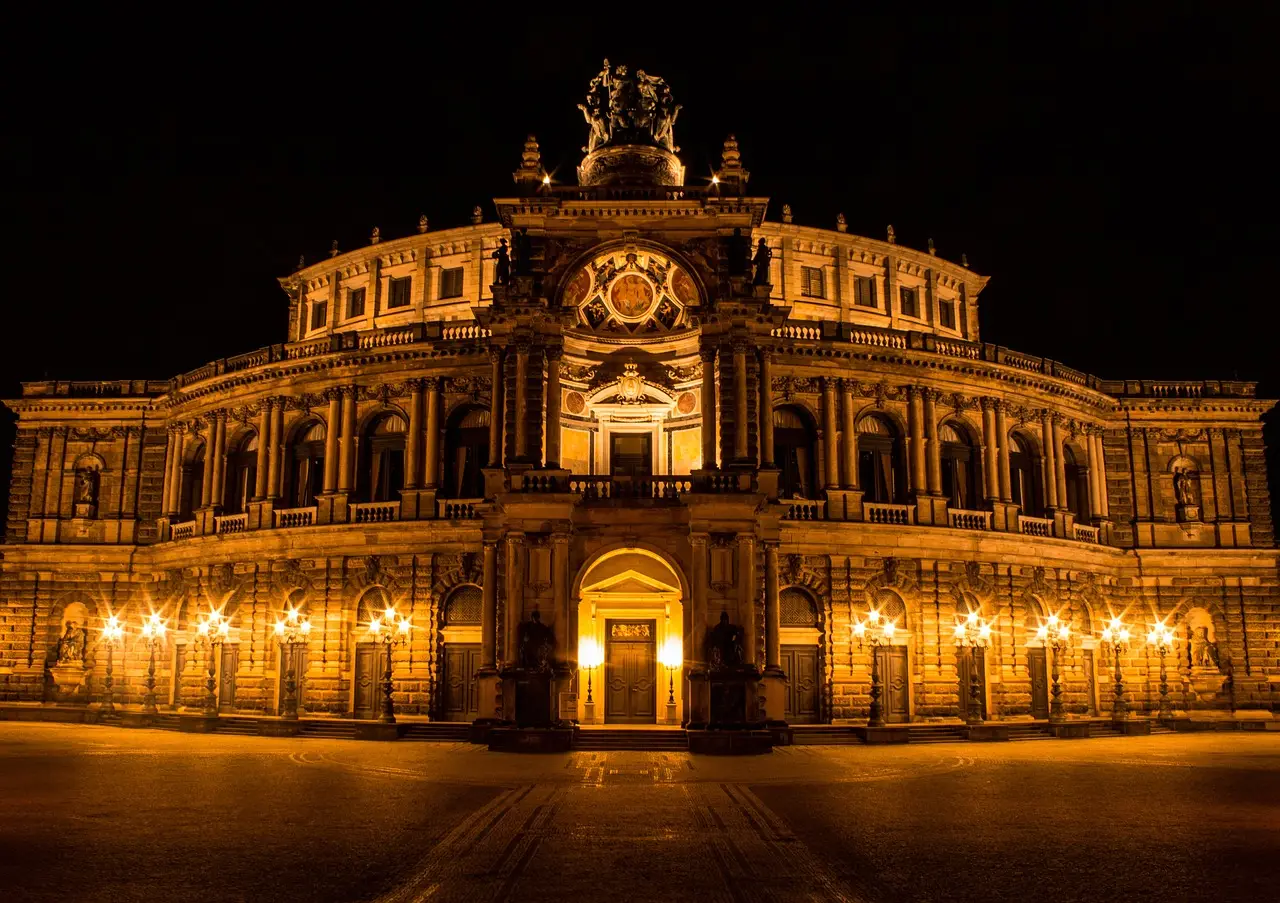
The Berlin Barocktage festival returned to the Staatsoper Unter den Linden this season after a two-year absence, and its flagship production — Cavalli's "La Calisto" — proved worth the wait. The new staging, a co-production with Theater an der Wien, arrives exactly 30 years after René Jacobs' landmark 1996 production reshaped appreciation of Cavalli, a neglected contemporary of Monteverdi.
What drives the production's concept?
The 2026 creative team mined Giovanni Faustini's rich libretto, written for 17th-century Venetian connoisseurs. The central dramaturgical framework was chastity. The staging peeled back three interconnected romantic plots: Giove's lust-driven pursuit of Calisto in disguise; Diana's self-denying passion for Endimione; and the instinctual chases of Satirino and Linfea. These nested plots and mistaken identities constantly mirrored and influenced one another.
The concept honoured the original libretto while embracing the sensory magic of Venetian baroque. Scenes just before Calisto's final ascension carried distinct Christian overtones, and the fusion of pagan mythology with Christian theology ran throughout the evening.
Where did the staging falter?
Not everything landed. Staging Giove and Calisto ascending together on a floating double bed felt unbalanced, leaning too heavily into commedia dell'arte and robbing the bittersweet ending of genuine elevation. Additional action after the bed ascended diluted the narrative's resonance. The handling of the prologue struck the reviewer as somewhat uninspired.
Visual design, by contrast, matched the concept well. Diana's moon and celestial constellations recurred all evening. Crescent-shaped LED strips created layered, perspective-driven frames, while a multifaceted starry sky shimmered in the background, responding to the drama. Silhouettes of forest foliage evoked a mythical world of nymphs, satyrs and wild creatures.
Costumes drew sharp distinctions among characters. Animal masks ranged from ravens to giant fish and wolves. By the finale, satyrs and chorus members shifted into Catholic cardinals' and nuns' robes. One choice puzzled: the female nymphs, including Calisto, wore semi-nude styling with one exposed breast.
Who stood out in the cast?
Soprano Vera-Lotte Boecker delivered a solid, mature Calisto. She traced the arc from firm resistance to Giove's advances, to complete surrender before the disguised deity, to sincere confusion when the real Diana denied their affair — and finally to innocent trust before Giunone that set up her transformation into a bear.
Bass-baritone Milan Siljanov mastered the vocal and dramatic challenges of Giove, capturing the deity's desire-driven nature and sweet-tongued manipulation, and singing falsetto when disguised as Diana. The most resonant moment came in his genuine care for Calisto in the final scenes.
Mezzo-soprano Giuseppina Bridelli brought a brilliantly metallic timbre to Giunone, entering in a high-collared red gown and summoning dark underworld forces in a chaotic dance of demons. Countertenor Arnaud Gluck played Endimione as fragile yet resolute; mezzo-soprano Luciana Mancini's Diana, however, seemed devoted to her vows — making the intimate love scenes with Endimione feel slightly puzzling. Baritone Renato Dolcini played Mercurio with intelligence and flair. In a Christian subtext, Satirino and companions tortured Endimione on a rack, evoking the martyrdom of Saint Lawrence.
How did the orchestra fare?
In the pit, Ensemble L'Arpeggiata and the Akademie für Alte Musik Berlin performed under Christina Pluhar's direction. The continuo foundation was rich, and varied winds — including zincs and trombones — conjured a lingering Venetian atmosphere. The pacing, however, lacked rubato. Transitions between Cavalli's recitatives and ariosos felt under-contrasted, and the dance movements wanted more impetus.
What does this mean for Cavalli?
The production balances theatrical spectacle with dramaturgical depth, honouring Cavalli's Venetian legacy while engaging modern audiences. Alongside recent Cavalli stagings at Aix-en-Provence and Bayreuth, it signals the composer's growing share of European stages — evidence that early Italian opera extends well beyond Monteverdi and Opera Seria.
Original: staatsoper-berlin.de
More from Elena Vasquez
Show full bio
Senior reporter covering technology and product news in arts in the broadest sense at Arts & Voices.
1,468 articles