Programme
- Teatro di San Carlo staged Handel for the first time in its history on October 7, 2025.
- Lisette Oropesa withdrew as Alcina three days before the opening; Mariangela Sicilia replaced her.
- The performance ran in concert form, with Iván López Reynoso conducting on modern instruments at 440 Hz.
- Franco Fagioli sang Ruggero and Erin Morley sang Morgana; Varduhi Abrahamyan sang Bradamante.
- Extensive cuts removed the reconciliation scene between Bradamante and Ruggero.
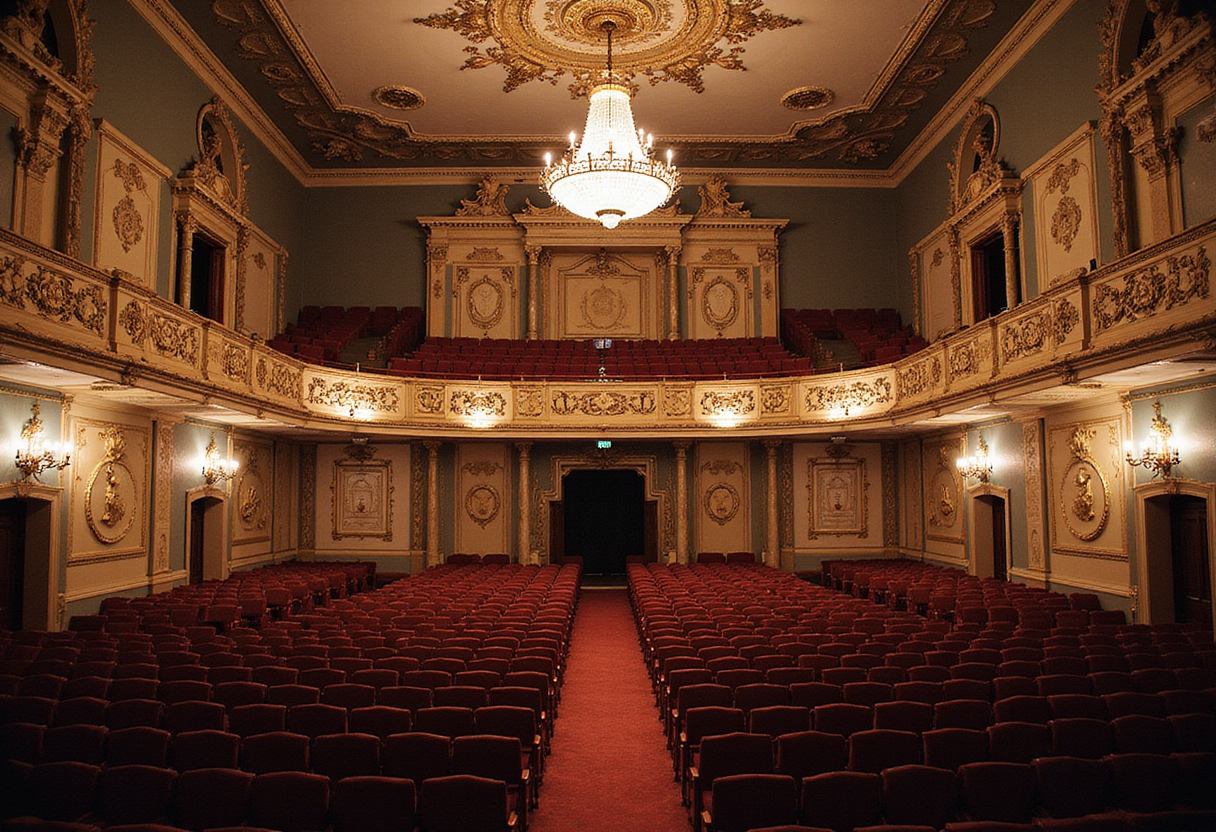
Teatro di San Carlo staged Handel for the first time in its history on October 7, when "Alcina" broke a streak that had kept the 18th century's most prolific opera composer absent from one of Europe's largest and most prestigious houses. The milestone came, with a twist: the performance ran in concert form, and the title soprano had been replaced three days earlier.
Lisette Oropesa, originally cast as Alcina, fell ill three days before the opening. Mariangela Sicilia, fresh off her success at the same theater as Sifare in "Mitridate," took over. Despite the last-minute substitution, Sicilia was superb, pairing precise, pearly coloratura with a sweet, mellow middle register.
What does this change for Naples?
For a house that had never sounded a single note of Handel, it opens a door. The reviewer closes on exactly that hope: "One hopes this successful foray into Baroque opera at Teatro San Carlo marks the beginning of a promising new chapter."
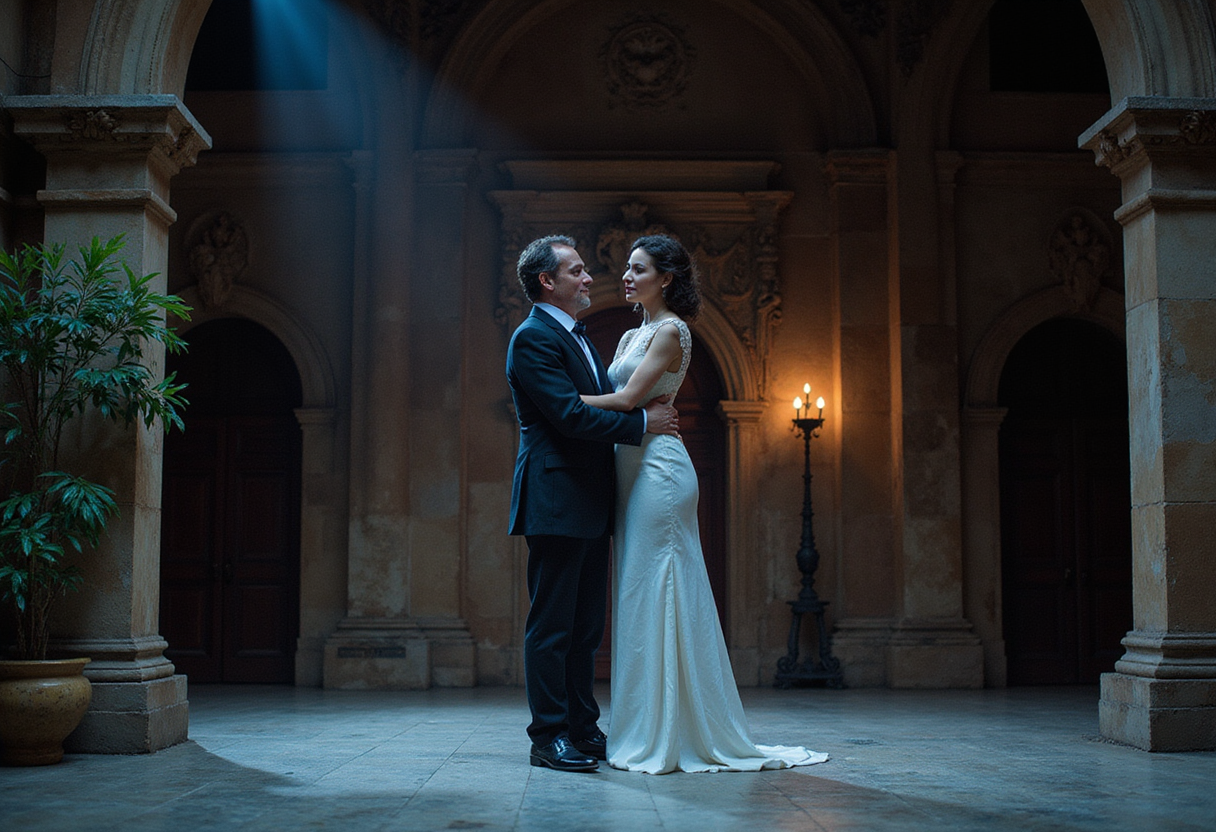
The libretto, drawn from Lodovico Ariosto's 16th-century epic "Orlando Furioso," follows the knight Ruggero, entrapped on the sorceress Alcina's island. She transforms discarded lovers into beasts, trees and rocks. Bradamante, disguised as the knight "Ricciardo," arrives with Melisso to rescue him; a magic ring breaks the spell, and Alcina's enchanted island reverts to a desolate rock. At heart, the story tracks Ruggero's coming of age.
An orchestra in unfamiliar territory
The San Carlo Orchestra played on modern instruments with limited background in 18th-century repertoire. The sound lacked the crispness of historically informed execution, but the ensemble played with great precision. Highlights included the violin solo in Morgana's aria "Ama, sospira" and the cello solo in "Credete al mio dolore"; the horns in the introduction to "Sta nell'ircana" were less focused.
Conductor Iván López Reynoso did not vary the interpretive tone between scenes sharply enough, leaving the result slightly monotonous.
Sicilia's Alcina and Morley's Morgana
Sicilia's finest moment came in "Ah, mio cor," deeply moving and charged with emotion. She balanced the sorceress's regal authority with genuine vulnerability in the furore aria "Ma quando tornerai."
Erin Morley, as Morgana, deployed a silvery, sparkling soprano with "luminous, pinpoint-focused high notes that felt truly born of sorcery, like bright sparks from a magic wand." Her "Tornami a vagheggiar" — arguably the finest joyful aria Handel ever penned — closed Act One in a radiant burst of delight.
Franco Fagioli returned to his signature Ruggero, his countertenor in finer shape than in "Mitridate." The orchestra tuned to 440 Hz, and several arias appeared transposed down for comfort. Even so, his coloratura was spectacular, and his mezza voice sublime in "Mi lusinga il dolce affetto" and "Verdi prati." Fagioli, alongside Varduhi Abrahamyan as Bradamante, was among the few who acted, turning Ruggero three-dimensional in an otherwise strictly concertante presentation.
Abrahamyan executed Bradamante's florid coloratura with flawless precision and phenomenal breath control, her deep, bronzed mezzo free of mechanical delivery. Extensive cuts cost the audience the reconciliation scene between Bradamante and Ruggero.
Tianxuefei Sun sang Oronte with an impressive if overly heroic tenor. Yunho Eric Kim delivered a stentorian Melisso, missed an entry in "Pensa a chi geme," and recovered with admirable composure under López Reynoso's guidance. Sayumi Kaneko's warm, velvety mezzo graced what survived of Oberto — only an aria and a half of a role often cut entirely.
Whether San Carlo now builds a staged Handel tradition, or lets the composer slip back into absence, will define the next chapter for a house that waited this long.
Source: Opera Wire
More from Marcus Bennett
Show full bio
Staff writer covering people, launches and day-to-day practice in arts in the broadest sense at Arts & Voices.
481 articles