Chef Alon Shaya turns WWII survival recipes into a cookbook of resilience
Saba chef Alon Shaya collects WWII survival stories and the dishes they inspired — from POW-camp candied yams to partisan potatoes flambéed in vodka — in a new cookbook of resilience.
Programme
- Alon Shaya of Saba in New Orleans published 'Memories of a Good Meal', a WWII-focused historical cookbook
- Roddie Edmonds, a POW at the Battle of the Bulge, posthumously won the Congressional Medal of Honor earlier this year
- The cookbook grew out of the Rescued Recipes initiative at the U.S. Holocaust Memorial Museum
- Recipes include candied yams with pecans and smashed potatoes flambéed in vodka
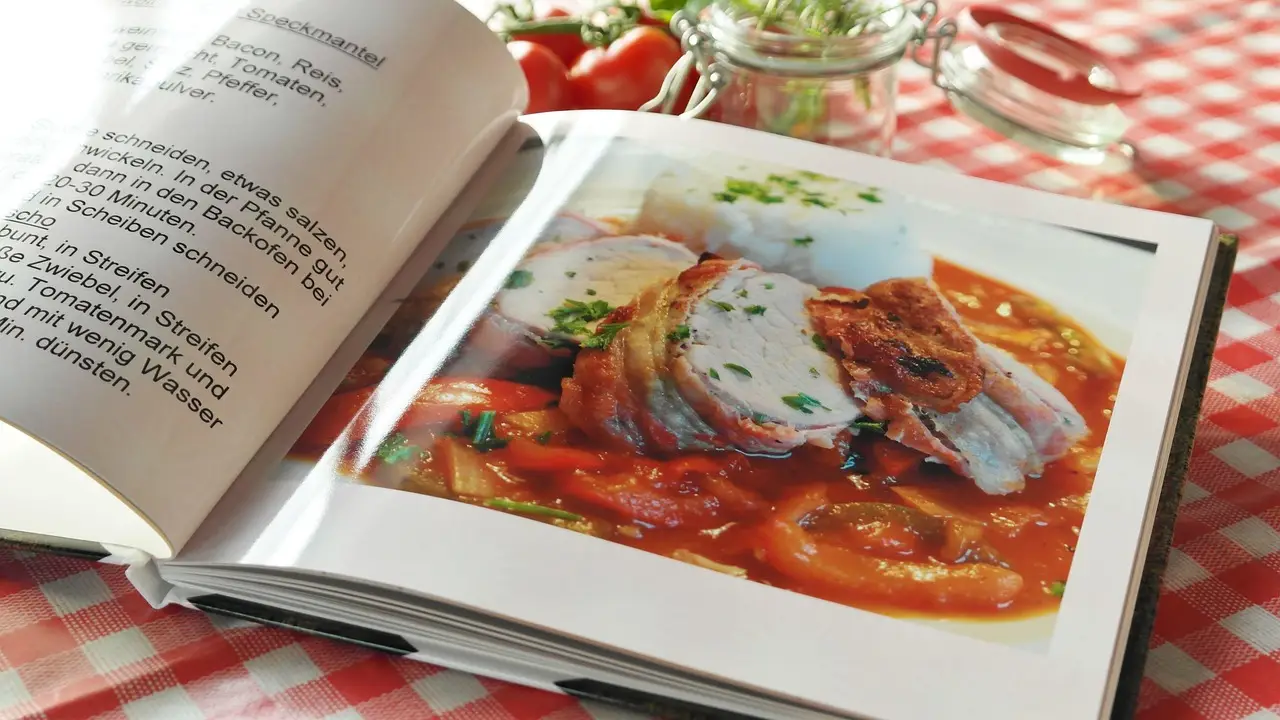
Chef Alon Shaya, of New Orleans restaurant Saba, has published a historical cookbook built from stories of food and survival during World War II. The book, Memories of a Good Meal: Recipes of Resilience Inspired by Stories of World War II Survival, pairs each dish with the history behind it.
Shaya's project grew out of the Rescued Recipes initiative he spearheaded several years ago at the United States Holocaust Memorial Museum. That work sent him digging into the role food played during the war.
"It's always been the way that I can start a conversation, build a relationship, disagree about things, but still be able to come together and break bread," Shaya said. "When you share a meal with someone, a lot of those barriers get broken down."
The Israeli American chef hopes the recipes do more than feed people.
What does the cookbook ask of home cooks?
Shaya wants the dishes to start conversations at the table.
"I want people to gather and cook and eat and put their phones down, and share a meal and recount these miraculous stories of survival, resilience and heroism," he told NPR.
The takeaway: this is a cookbook meant to be talked over, not just cooked from.
Which stories made it into the book?
One chapter follows Roddie Edmonds, a U.S. Army master sergeant whose unit was captured at the Battle of the Bulge and imprisoned in a German POW camp. Edmonds posthumously received the Congressional Medal of Honor earlier this year for refusing to turn over his Jewish troops for transport to concentration camps.
In the camp, Edmonds and his fellow prisoners coped by talking about the foods of home. Sunday spaghetti sauce, hot cakes and cherry pie all figured in their imagined feasts.
"They're eating up this idea that they were going to go home," Shaya said. "They were going to be free, and they were going to be able to sit around and dig into that filet mignon with creamy mushroom sauce."
The prisoners sketched detailed plans for a dreamed-of restaurant, the Jolly Chef, serving every dish they yearned for — including candied yams with pecans and whipped marshmallow, which appears as a recipe in the cookbook.
Another chapter covers Polish partisan fighters who lived in underground bunkers and sabotaged the Nazis by derailing trains and blowing up ammunition plants. Their recipe includes smashed potatoes flambéed in vodka, a nod to the fires that followed their attacks.
"Vodka was a form of currency for them," Shaya said. "They would use it to barter. They would use it to celebrate. And so each moment of that recipe helps to really tell the story of what they were going through."
How far does the book's reach extend?
The stories span multiple countries and communities:
- Hungarian Jews whose non-Jewish cook salvaged their treasured family cookbook as they were sent to Auschwitz
- A French village that sheltered Jewish children and hid them from the Nazis
- Navajo code breakers who changed the course of the war
- Japanese Americans, convicted of no crimes, who were incarcerated in military-style camps in the United States
Food historian and writer June Hersh worked with Shaya on the cookbook. She frames the act of remembering recipes as resistance — a way of turning a tragic situation into something triumphant.
"You can put me in a uniform, you can make me do hard labor, you can shave my head, you can starve me if you want, but I'm not going to let go of my food memory," Hersh said. "It's something you can't take away from me."
Why does this matter now?
Shaya's wager is that a recipe can carry a survivor's story into kitchens where memoirs might never reach, one shared meal at a time.
Source: feeds.npr.org
More from Elena Vasquez
Show full bio
Senior reporter covering technology and product news in arts in the broadest sense at Arts & Voices.
1,750 articles