Dudamel, Kaufmann and Rebeka Deliver Flawless Concert Tosca at Carnegie Hall
Dudamel led Kaufmann, Rebeka and Tézier in a set-free Tosca at Carnegie Hall on November 16, 2026, and the music, not the staging, carried a flawless night.
Programme
- Carnegie Hall hosted a concert presentation of Tosca on November 16, 2026.
- Gustavo Dudamel conducted; Jonas Kaufmann, Marina Rebeka and Ludovic Tézier sang the leads.
- Rebeka signaled the acts with white, red and black gowns.
- Twelve-year-old treble Emrys Pengelly sang the Shepherd Boy.
- The review judged the performance flawless, with 'Vissi d'arte' slowed to a crawl.
Gustavo Dudamel led a flawless concert performance of Puccini's Tosca at Carnegie Hall on November 16, 2026, with Jonas Kaufmann, Marina Rebeka and Ludovic Tézier as the central trio.
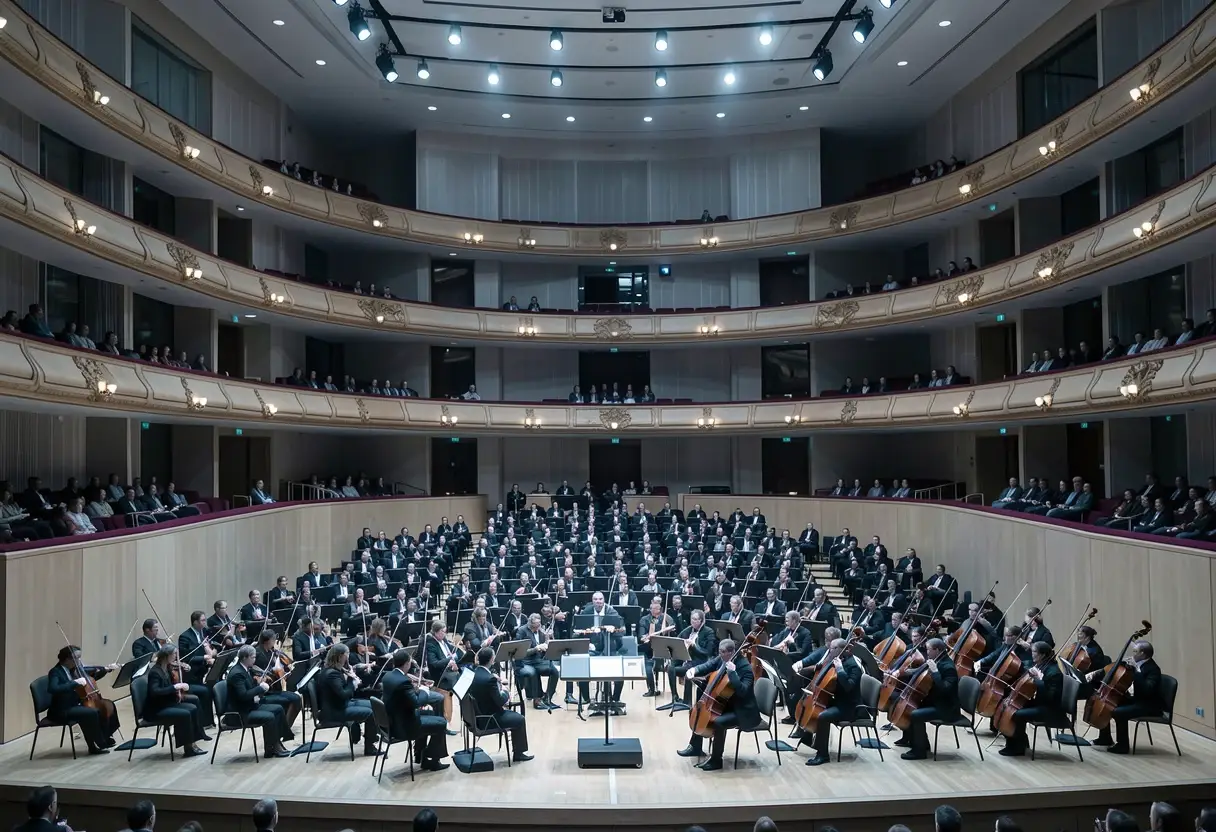
The New York Philharmonic's music director conducted a staged-free presentation: no lighting, no sets, no costumes beyond formal wear. According to the reviewer, that limitation proved productive. The spectacle "lay in the artists' voices and the orchestra, not horses crossing the stage, and that's exactly where it should be."
Concert opera strips away theatrical cover. Characterization must arrive through subtle movement rather than melodramatic gesture. Tézier offered what the review called "a masterclass in minimalist acting," building Scarpia from fingers, posture, smirks and "a lascivious gaze." His baritone foregrounded the baron's predatory nature so effectively that the coming betrayal was "simply in the air."
What did the format change about the opera?
Removing the production surfaced new facets of the story — characterizations, motives, foreshadowing — and put Puccini's score at the center. But the format also exposed a dramaturgical hole: the transformation of Cavaradossi and Tosca into pillars of political resistance. The plot spans a single 24-hour period, the review notes, leaving no time for a mild-mannered painter and a vain diva to become resisters between acts.
Some adjustments demanded suspended disbelief. Scarpia, knifed in Act Two, died standing because, the reviewer wryly observed, "lying on the stage in white tie wasn't sartorially sound."
Rebeka signaled character through costume: a white gown for Act One, red for Act Two, black for Act Three. The review called the allusions "clever and subtle" and the gowns "diva-worthy." The review also noted a fresh reading of Tosca's piety — personal devotion to the Magdalen and the Madonna rather than cultural religiosity — something the writer had never seen surface in previous stagings.
How did the principals sing?
Kaufmann opened with "Recondita armonia," holding the dotted eighths as the audience held its breath, and closed with a deliberately slow "E lucevan le stelle," each note "weighted with emotional purity and stunningly gorgeous singing." His cocky reading of Cavaradossi seeded the painter's later defiance of Scarpia.
Rebeka slowed "Vissi d'arte" to a crawl, keeping her movement alive and avoiding the stand-and-deliver drift of concert productions. Her Tosca ran the full arc: vain and jealous in Act One, tough and defiant in Act Two, broken by betrayal and the final leap in Act Three.
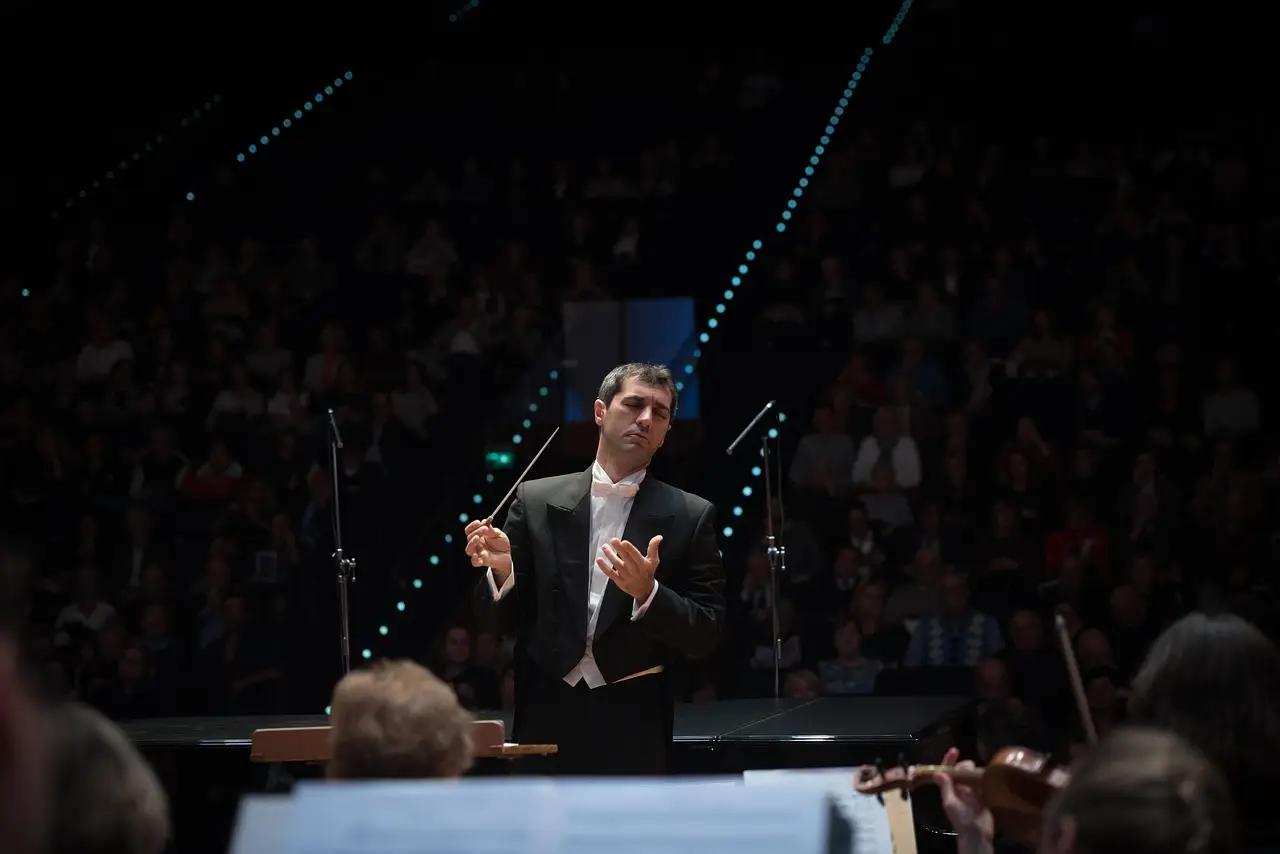
Dudamel toned down his signature style to avoid intruding on the singers, granting wide latitude — colla voce was, in the reviewer's phrase, "the prime directive" — while conducting artists without looking at them. He "spun musical fine china and dropped not the smallest saucer," freshening well-trodden passages. At the curtain call he seemed sheepish; Rebeka had to drag him back out.
Twelve-year-old treble Emrys Pengelly of the Saint Thomas Choir School sang the Shepherd Boy. His voice, the review stated, "couldn't have been more perfect for the role."
The verdict: characters realized "fully and freshly," egos absent, an orchestra fully alive — a concert format that coaxed the narrative's details into view.
Original: gustavodudamel.com
More from Elena Vasquez
Show full bio
Senior reporter covering technology and product news in arts in the broadest sense at Arts & Voices.
1,571 articles