Two Toscas, 24 Hours: Dudamel and the Met Duel in Manhattan
New York heard Puccini's Tosca twice in 24 hours: Dudamel's Philharmonic in concert at Carnegie Hall, then the Met's revival with a phenomenal soprano debut by Saioa Hernández.
Programme
- Two complete Toscas played in New York within 24 hours last weekend: the Philharmonic at Carnegie Hall on Friday, the Met on Saturday.
- Dudamel's Tosca launches a five-year opera-in-concert project at Carnegie Hall.
- Tosca reached the United States in 1901, a year after its premiere.
- Saioa Hernández made her Met debut as Tosca; Marina Rebeka sang her first Tosca at Carnegie Hall.
- Matthew Christakos has served as the Philharmonic's acting principal cellist since Carter Brey's retirement last season.
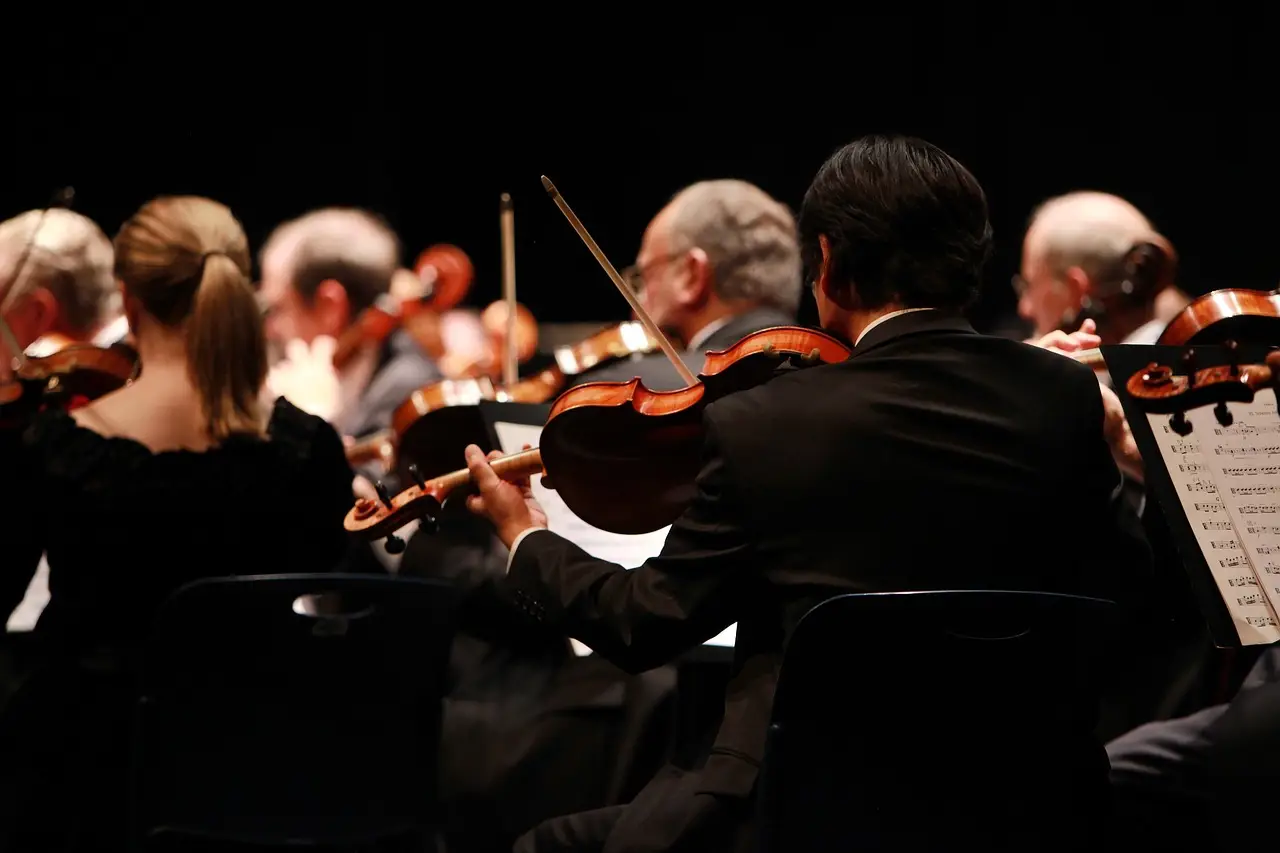
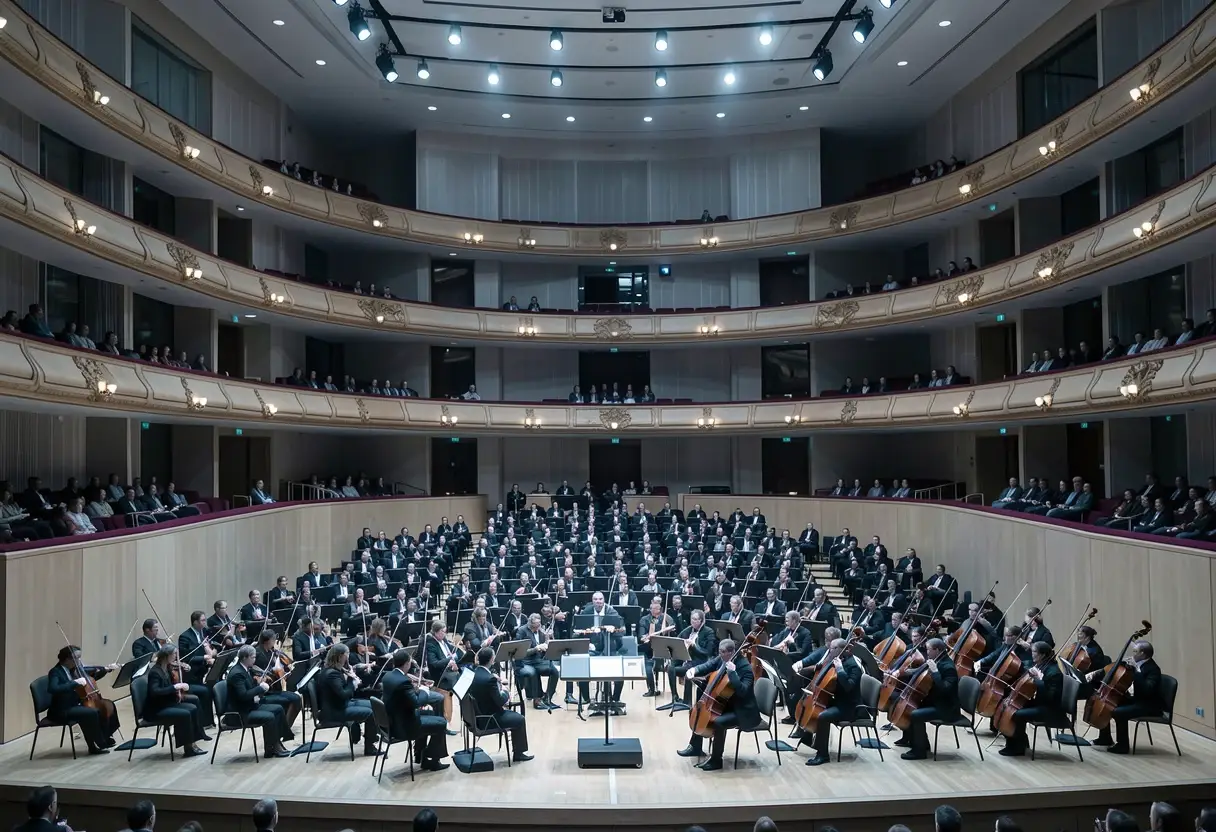
New York heard two complete performances of Puccini's "Tosca" within 24 hours last weekend: the New York Philharmonic's concert version at Carnegie Hall on Friday night, then the Metropolitan Opera's new revival on Saturday afternoon. Joshua Barone, covering classical music for The Times, reviewed both — and found the city's appetite for the opera undimmed since its 1901 American arrival, a year after its premiere.
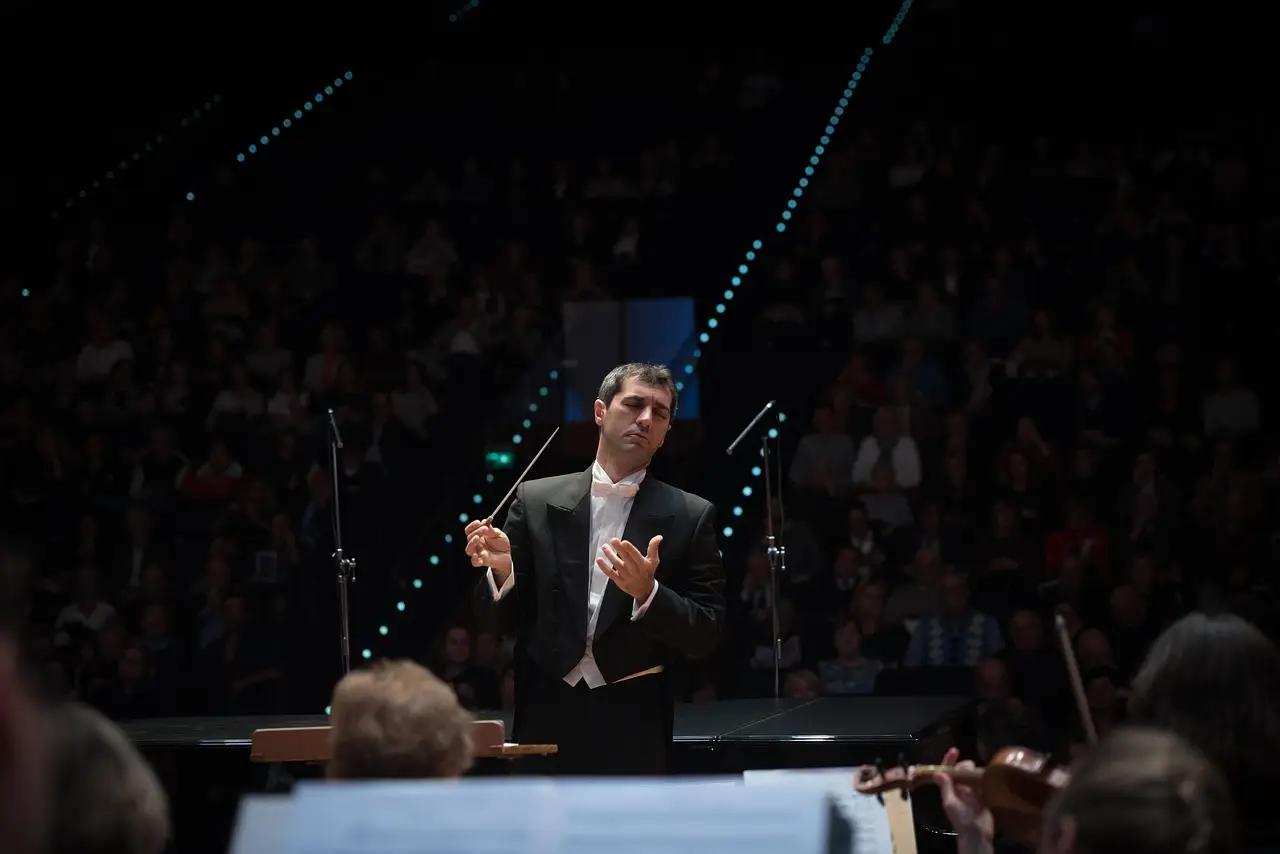
The Philharmonic's "Tosca" opened a five-year project: Gustavo Dudamel, the orchestra's new music and artistic director, will present operas in concert at Carnegie Hall. Barone's verdict on the repertoire choice is dry. "'Tosca' is not an imaginative choice," he writes, noting it was somehow the second time this year the Philharmonic and the Met programmed the same work.
What did the concert performance reveal?
Stripped of staging, the score showed itself like an X-ray. Dudamel's reading had "a remarkable sense of detail": Scarpia's hammer-blow chords at the opening returned at the end of Act II, after Tosca kills him, as "a heavy vapor, suffocating as much as it haunted." The third act's pastoral clutter of clashing Roman church bells led into the cello solo before "E lucevan le stelle" — a deserved spotlight for Matthew Christakos, filling in impressively as principal cellist since Carter Brey's retirement last season.
The cast held its own. Jonas Kaufmann, whose New York appearances are now concert-only, was more secure as Cavaradossi than in his unstable Berlin Philharmonic showing at Carnegie Hall last month; his plush, shadowy sound survives, though it clearly costs effort. Marina Rebeka, in her first outing as Tosca, brought a brightness with "a slight metallic edge." Ludovic Tézier's Scarpia was lyrically seductive and ferocious at once, his diction so transparent a non-Italian speaker could follow every word.
The flaw was pacing. Barone writes: "The Philharmonic's performance seemed full of breaths and lulls, its push and pull of tempos generating moments of passing intensity rather than propulsive flow."
How did the Met's revival compare?
Hot-blooded from start to finish. With Oksana Lyniv conducting, Scarpia's opening theme carried the score's "tutta forza" ("full force") and the "tutta Roma" that Tosca later says trembled before him. Lyniv's grand baseline tone was a risk, but the cast justified it.
Saioa Hernández, in her under-the-radar Met debut, was "an ideal Tosca": creamy at the top, weighty at the bottom, turning on a dime from elegance to hissing fury, whether spinning "Vissi d'arte" or recounting her knife in Scarpia's heart with an earthy plunge. Her Act II confrontation with Quinn Kelsey's cavernous, ruthlessly commanding Scarpia made for an edge-of-your-seat thriller. SeokJong Baek's ardent Cavaradossi delivered his "Vittoria!" cry "like a carnival act, superhuman and sensational."
The ultimate winner, Barone concludes, was Puccini himself. The story may be melodramatic and "ankle-deep," but the score's elasticity held firm through two contrasting interpretations in rapid succession. The five-year Carnegie Hall project now has its bar set — and New York, evidently, will always take another "Tosca."
Original: carnegiehall.org
More from Daniel Okafor
Show full bio
News editor covering companies, deals and strategy in arts in the broadest sense at Arts & Voices.
1,456 articles