Ed Simon asks how to memorialize the MAGA era without monuments
Ed Simon proposes anti-monumental memorials for the MAGA era. The week also brings museum alliances, three Shahzia Sikander video works, Ouattara Watts and preservation satire.
Programme
- Ed Simon’s anti-monumental proposal follows Donald Trump’s 2024 election win and invokes German anti-fascist examples.
- The Metropolitan Museum of Art and the Shanghai Museum signed an MOU weeks after MoMA, Centre Pompidou and M+ Museum joined forces.
- Shahzia Sikander’s joint High Line video exhibition presents three moving-image works above 14th Street.
- Hilma af Klint’s “Ser III No. 5” dates to 1920 and will reach auction in a rare public-market appearance.
- MFA, MA and PhD application deadlines run from December 2026 to February 2027; many programs are fully funded.
By Tom Whitfield
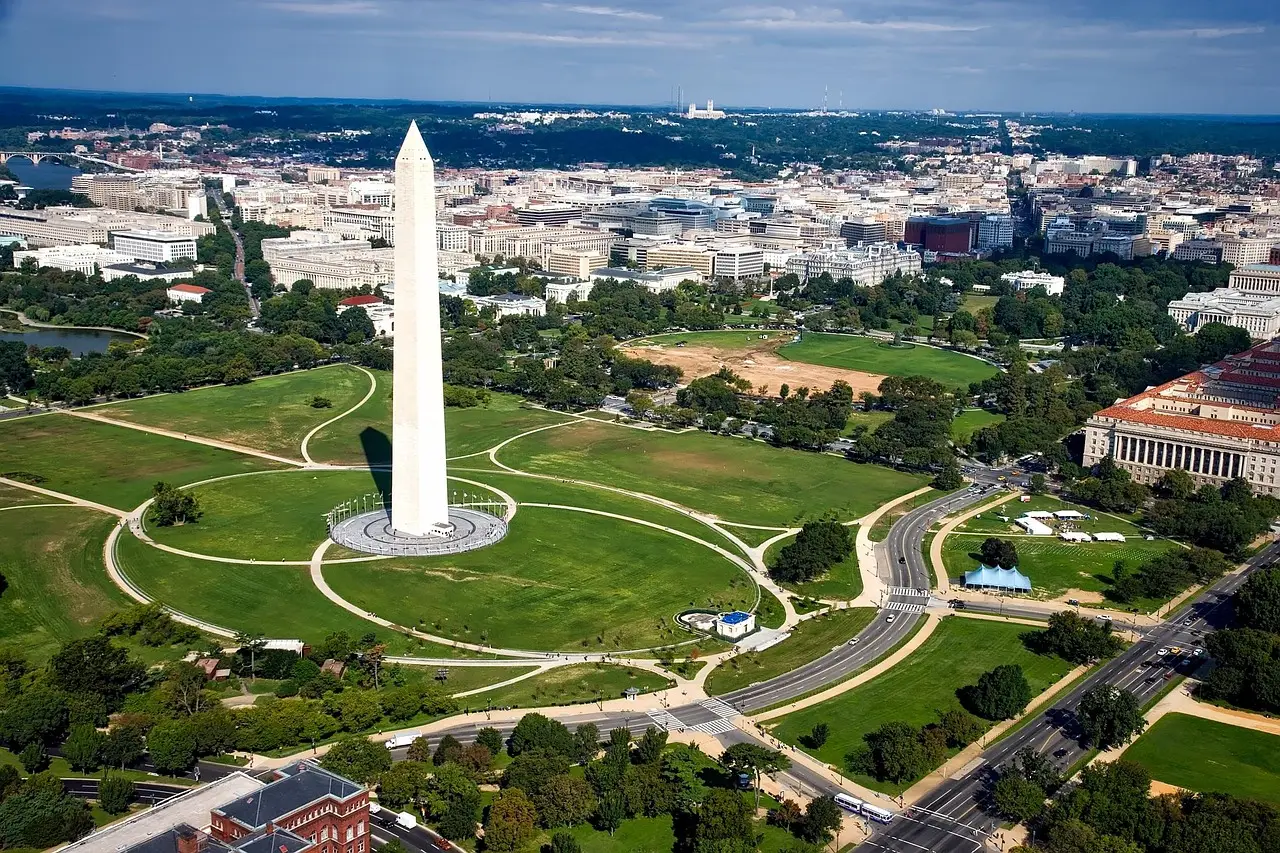
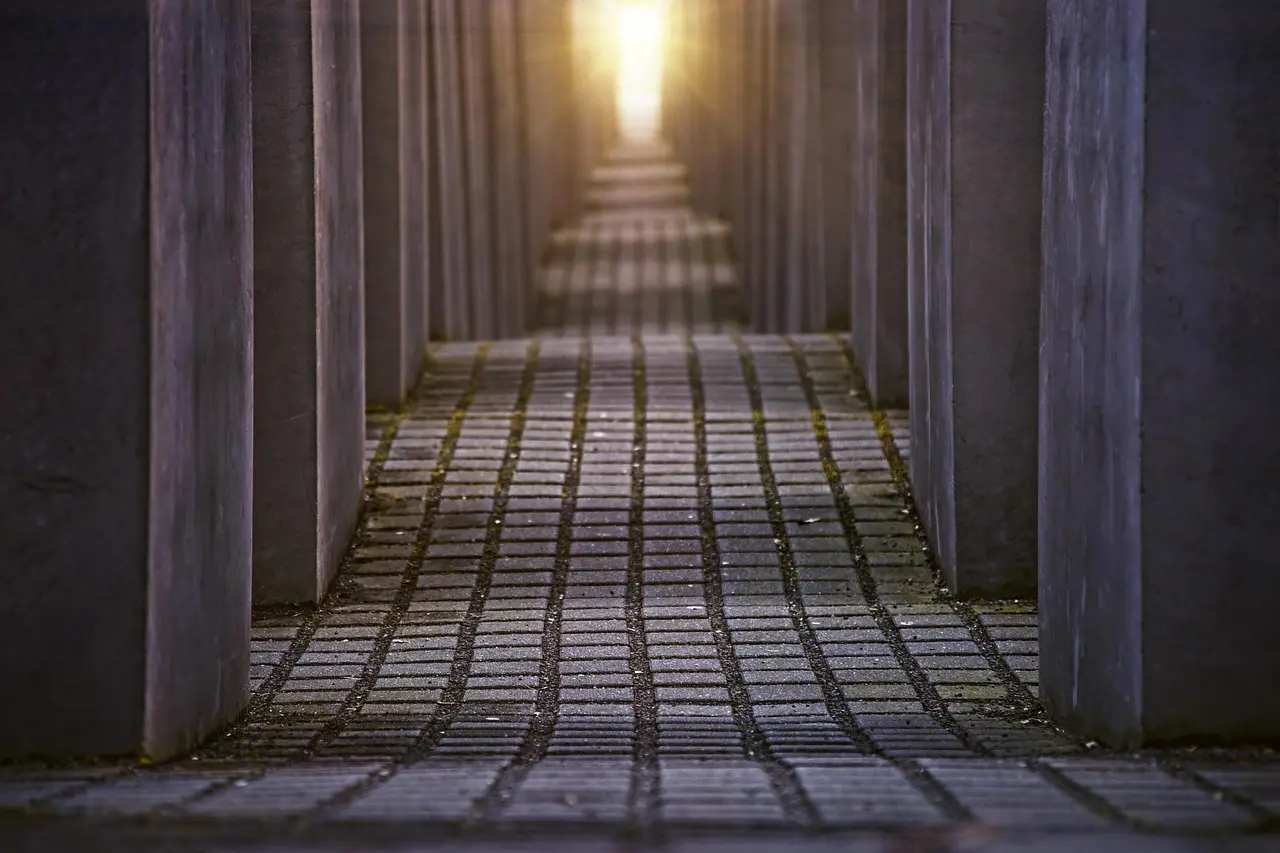
Ed Simon’s “How Should We Memorialize the Trump Era?” asks how to remember the MAGA era after the 2024 election. He cites historical anti-fascist examples in Germany and proposes reducing Donald Trump’s ballroom to rubble as a monument in its own right.
Associate editor Lisa Yin Zhang frames the assignment through her visit to Washington, DC, after Donald Trump won the 2024 presidential election. She spent the day at Maya Lin’s Vietnam War Memorial, which she called “a dark wound in the earth,” and described his administration’s “empty grandeur.”
In the more hopeful moment after the midterms, Zhang says, Simon asks how memorials should remember the MAGA era.
What does anti-monumentalism change for institutions choosing memorials?
Simon’s answer is anti-monumentalism. The essay’s précis defines it through absence and anxiety, minimalism and melancholy, rather than grand equestrian statues or neoclassical columns. For institutions choosing public memorials, the practical test begins with whether to build at all; the proposed visual language then makes restraint, unease and absence part of the work.
That is a proposal, not a conservation plan. Hyperallergic does not name the German examples, identify who could authorize the ballroom’s demolition, or explain how viewers would distinguish deliberate absence from neglect. The argument opens a debate, but it does not supply the legal and curatorial machinery an institution would need.
Zhang calls satire another way to record the era. Greg Werkheiser turns the National Historic Preservation Act into a satirical obituary. He says the Act survived Republican and Democratic administrations, recessions and wars, but that its health declined precipitously this year after congressional malpractice. He concludes that there is still time to save it.
His punch line casts the National Register of Historic Places as the Act’s “next of kin,” which he says “is said to be concerned about its own health.” Satire supplies urgency, but the item offers no legislative remedy or account of what “congressional malpractice” changed.
Hyperallergic reports that The Metropolitan Museum of Art in Manhattan and the Shanghai Museum signed a Memorandum of Understanding codifying their relationship. The partnership followed, just weeks earlier, MoMA, Centre Pompidou and M+ Museum joining forces. Zhang’s warning is blunt: “They say art imitates life; I just didn’t know that meant we were getting museum oligopolies.”
Hyperallergic does not disclose the memorandum’s terms, funding, governance or public program. The item therefore cannot show whether the alliance changes access or collection policy; “oligopolies” remains Zhang’s charge, not a demonstrated market outcome.
Hyperallergic’s other news items include a joint video exhibition above 14th Street on the High Line. It presents three moving-image works by Shahzia Sikander that, in the publication’s wording, “illustratively dissect and defy the economic legacies of the British Empire’s grip on South Asia and China.”
Hilma af Klint’s “Ser III No. 5” (1920) heads to auction in a rare instance of the Swedish artist’s work reaching the public market. Hyperallergic names neither the auction house nor the sale date and gives no estimate.
Jennifer Samet’s latest “Beer With a Painter” column interviews Ivorian-born painter Ouattara Watts. He works only at night, when “the veil between this world and the next is thinnest” and the outside voices of the physical world grow quietest. The item names no paintings and explains no method beyond that schedule.
Bryan Martin’s review of Olivia Reavey’s photography finds “treasured scrap” in material she pulls into unorthodox black-and-white images. Hyperallergic gives no exhibition venue or dates.
Other links broaden the issue. Bedwyr Williams posts Instagram vignettes from the art world under the title “Wealthy artist not sure about all this negativity.” The Public Domain Review introduces the Victorian-era “blood collages” of John Bingley Garland, with the warning that “blood collage” is not a misnomer.
Brunella Tipismana Urbano considers literary scandals and the future of the Latin American novel for The Point, after an award-winning novel by a Peruvian writer emerged as 99% AI-generated. The item names neither writer nor novel. Kyle Chayka writes for The New Yorker about journalists and writers building careers as content creators and podcasters.
Lets Culture offers an Instagram carousel explaining why new brick and stone buildings feel dead to the eye.
Mona Chalabi’s interview with Lakshmi Rivera Amin examines class inequality through Chalabi’s first book, “Ten Lives.” The Pulitzer Prize-winning data journalist and artist says: “The crisis is the system that we’re in.”
Hyperallergic also lists MFA, MA and PhD programs with application deadlines between December 2026 and February 2027. It says many are fully funded and offer tuition waivers, stipends and teaching assistantships, but it does not rank the programs.
Sponsored listings promote INK Miami Art Fair’s 20 years of prints and works on paper, its commitment to printmaking, education and public engagement, and free admission. Another promotes a free online course co-developed by National Gallery Singapore and independent curator Alia Swastika about women’s contributions to Indonesian art.
A third points to Field of Vision’s documentary “Free Lyric,” directed by BAFTA award-winning filmmaker Cherish ‘Chez’ Oteka, about a young Black female rapper cancelled for her “Provocative” lyrics.
For a reader deciding what to see or study, this issue offers a clear sequence: debate the form of memorialization, check the terms behind new museum alliances, then use the linked programs and course listings for practical routes into the field.
What remains missing is concrete: named German examples, museum governance terms and auction details. Until those appear, the issue supplies provocations, not a blueprint.
Source: hyperallergic.com
More from Tom Whitfield
Show full bio
Market editor covering people, launches and day-to-day practice in arts in the broadest sense at Arts & Voices.
1,546 articles