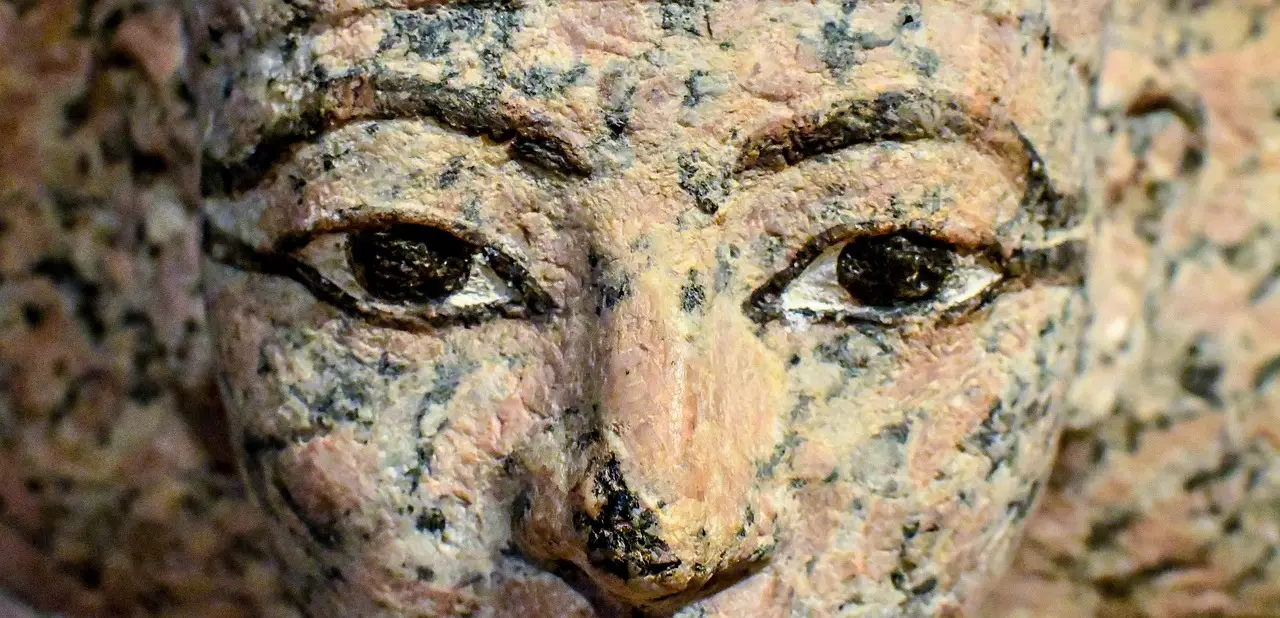
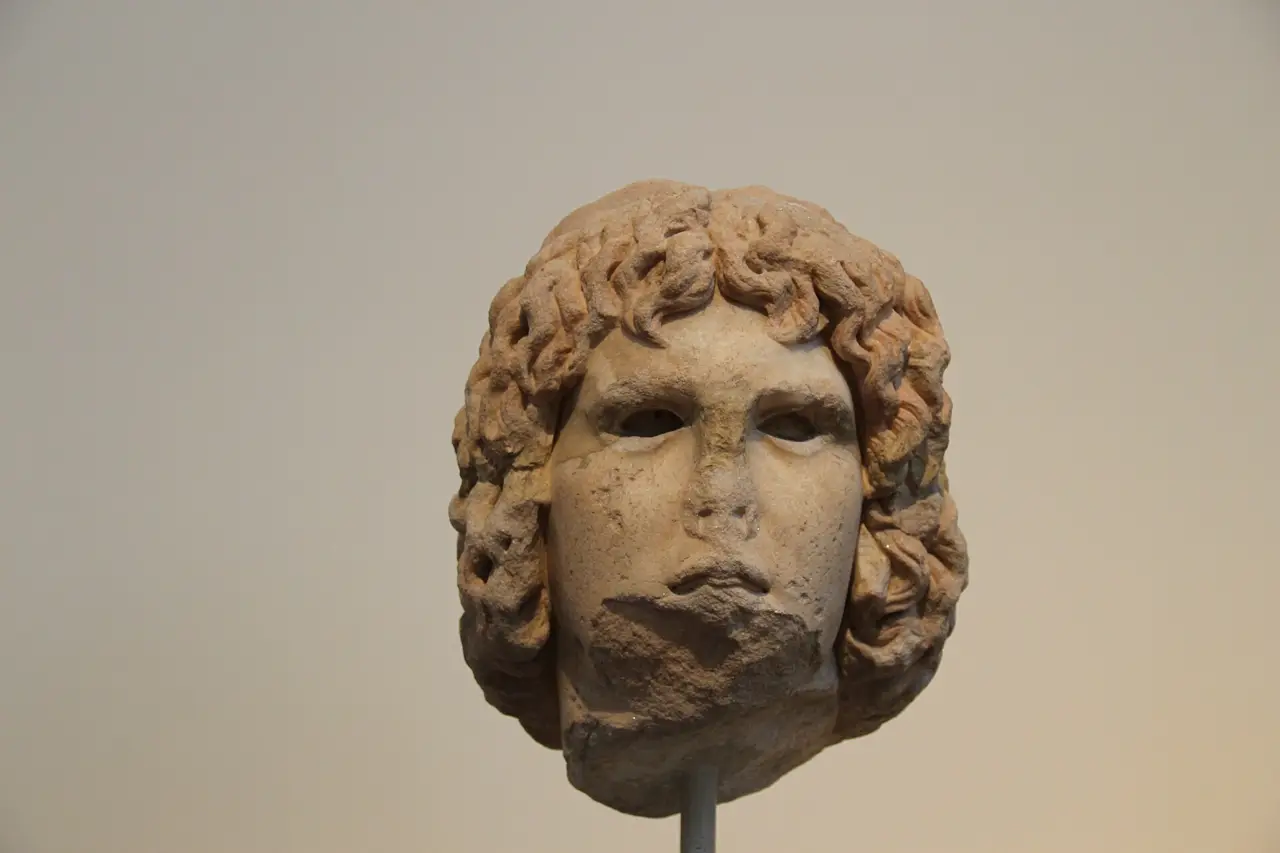
Egypt Demands Return of 4,000-Year-Old Mummified Head from Glasgow Museum
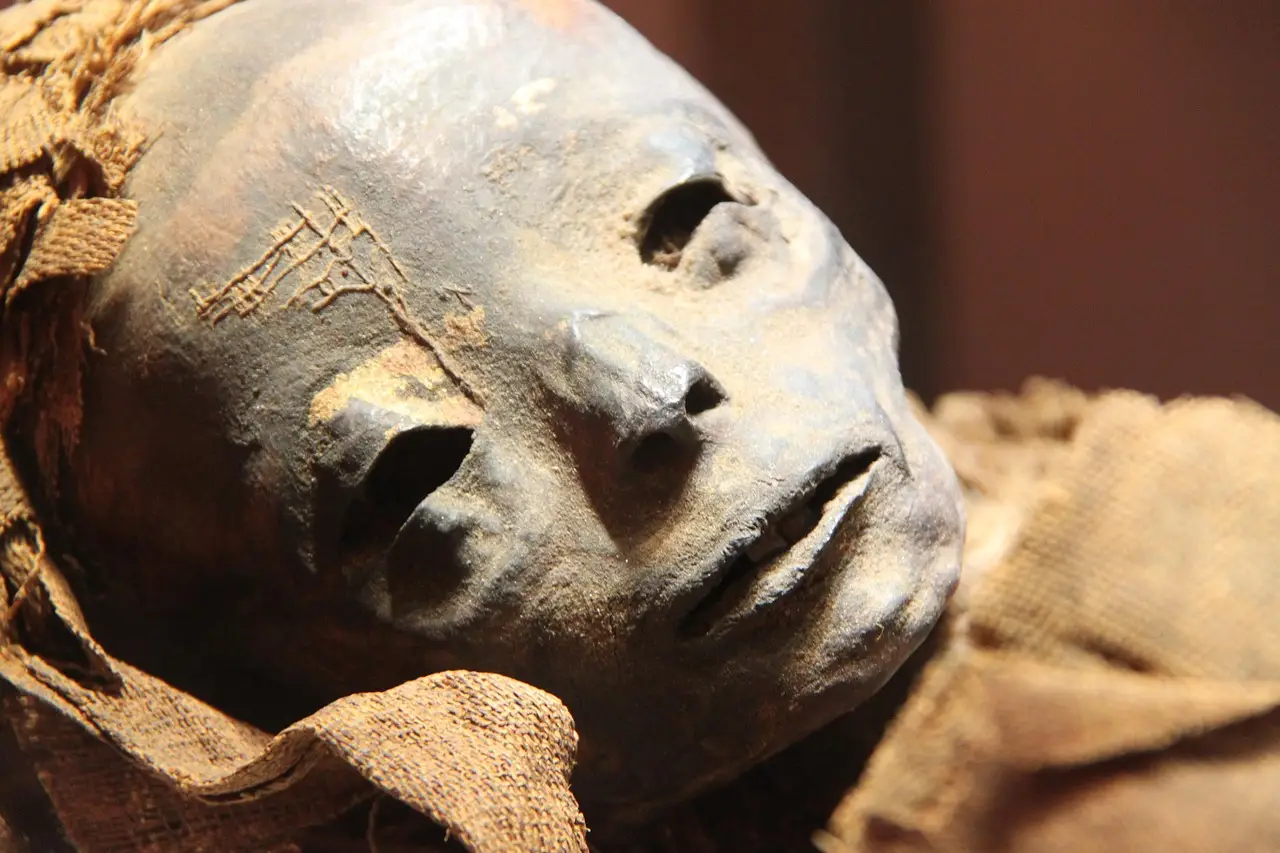
Egypt has asked Glasgow's Kelvingrove museum to return the mummified head of Nekht, removed from display in October. Glasgow Life confirms it will follow its repatriation process.
Programme
- Egypt has requested repatriation of Nekht's mummified head, dating to between 1985 BCE and 1797 BCE.
- Kelvingrove Art Gallery and Museum removed the head from display in October.
- Glasgow Life confirmed the repatriation request to ScottishNews.com this week.
- Other human remains in the collection have also been taken off view and remain in storage.
- A Scottish politician previously called the removal "woke madness."
Egypt has formally requested the return of the mummified head of Nekht, a man who lived sometime between 1985 BCE and 1797 BCE, from the Kelvingrove Art Gallery and Museum in Glasgow. The approach lands just weeks after the museum took the remains off view, triggering a political row in Scotland.
Glasgow Life, the charity that manages the Kelvingrove, confirmed this week to ScottishNews.com that the institution had received the repatriation request. "We have received a request in the last few days to repatriate the Nekht remains to Egypt," a museum spokesperson said. "Glasgow has a well-established process for repatriation requests. We will follow this process to guide our next steps."
Why was the head removed in the first place?
The museum pulled the mummified head from its galleries in October. In its place, visitors found a new sign that read: "We have removed human remains from this display as a mark of respect."
Speaking to the Times of London at the time, a museum representative explained the reasoning: curators concluded they lacked the consent needed to keep exhibiting the head. "In the absence of such consent, we believe removing ancient Egyptian human remains from display is more respectful to the deceased individuals," the representative said.
The decision aligned with current sector guidelines on the display of mummified remains. That did not spare the museum criticism at home. In Scotland, the removal provoked a backlash in which one prominent politician accused the museum of "woke madness."
The museum has not said what the consent standard it invoked would look like in practice for a person who died roughly four millennia ago. That gap between principle and mechanism is where the debate has concentrated.
What does the repatriation request change?
For now, the answer is procedural rather than concrete. Glasgow Life has confirmed receipt but no outcome. The spokesperson's reference to a "well-established process" signals that the request will follow the same route as earlier repatriation claims handled by the city, which has previously returned objects to countries of origin through formal claims procedures.
There is a second, quieter development. According to ScottishNews.com, other human remains in the Kelvingrove's collection have also been removed from display. Unless those remains also become the subject of repatriation requests, they will stay in a storage facility. The museum has not named them, dated them, or said how many there are.
What happens next?
Two tracks now run in parallel. The first is Egypt's claim, which Glasgow Life will assess through its repatriation process — a route that typically turns on provenance evidence and diplomatic formalities rather than on the October controversy itself. The second is the domestic argument over displaying the dead, which the Scottish backlash has already made political.
The near-term test is straightforward: whether Nekht's head goes back to Egypt on the strength of a documented process, or becomes the fixture of a longer dispute over who may display the ancient dead — and on whose consent.
Original: scottishnews.com
More from Tom Whitfield
Show full bio
Market editor covering people, launches and day-to-day practice in arts in the broadest sense at Arts & Voices.
989 articles