Floating Women and Walking Clouds: The AI Dreams of Hannes Caspar
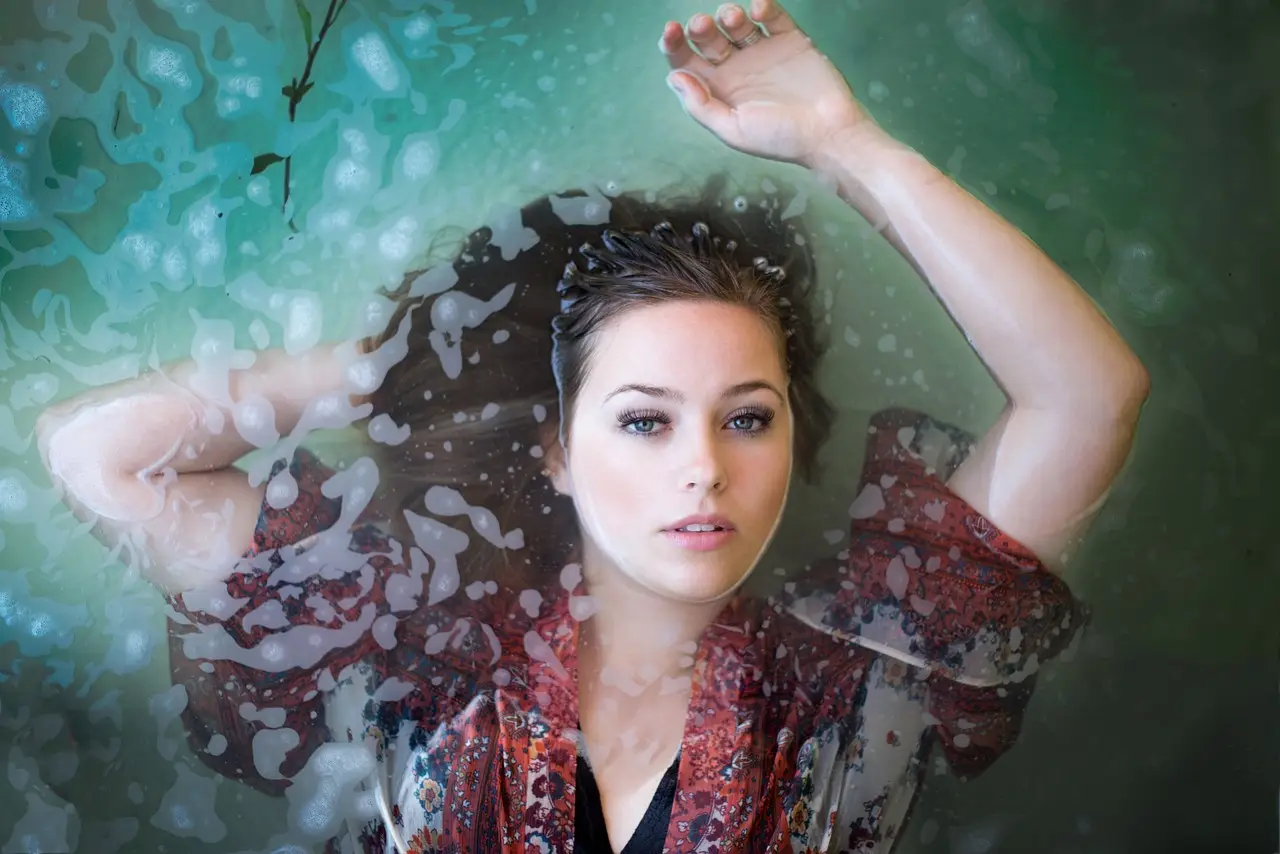
Berlin portrait photographer Hannes Caspar spent 15 years behind the camera. Under the alias Caspar Jade, his AI images float women and human cacti into ordinary rooms.
Programme
- German visual artist Hannes Caspar creates AI-generated images under the alter ego Caspar Jade.
- He worked more than 15 years as a professional portrait photographer before turning to generative AI.
- He is based in Berlin and publishes the series on Instagram.
- He keeps his AI work strictly separate from his conventional photography, citing different emotional qualities.
A woman floats weightlessly through a narrow hallway. Someone wanders down a sunny street with a cactus growing where their head should be. Another person carries an enormous cloud across an otherwise ordinary field. These are the images of German visual artist Hannes Caspar, and they are made entirely with generative AI.
Caspar is based in Berlin. He spent more than 15 years working as a professional portrait photographer before embracing generative AI under his creative alter ego, Caspar Jade. His photographic background remains central to the digital experiments, particularly in the way he handles natural light, human gestures, subtle expressions, and cinematic framing.
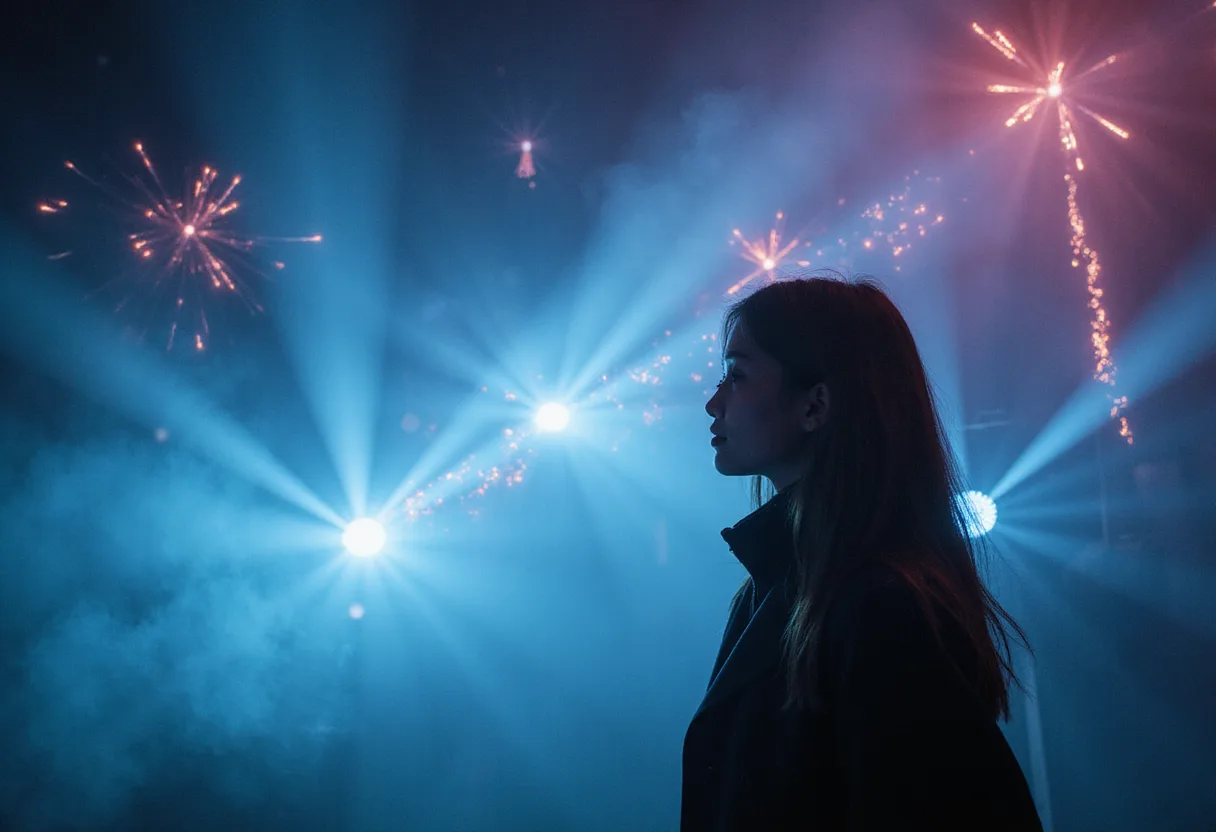
The results often resemble carefully composed analog photographs. They carry soft grain, muted colors, and a slightly imperfect quality. According to Design You Trust, which published the series, that imperfection is precisely what makes the surreal elements feel more convincing: the images "make the impossible feel surprisingly natural."
One strange detail at a time
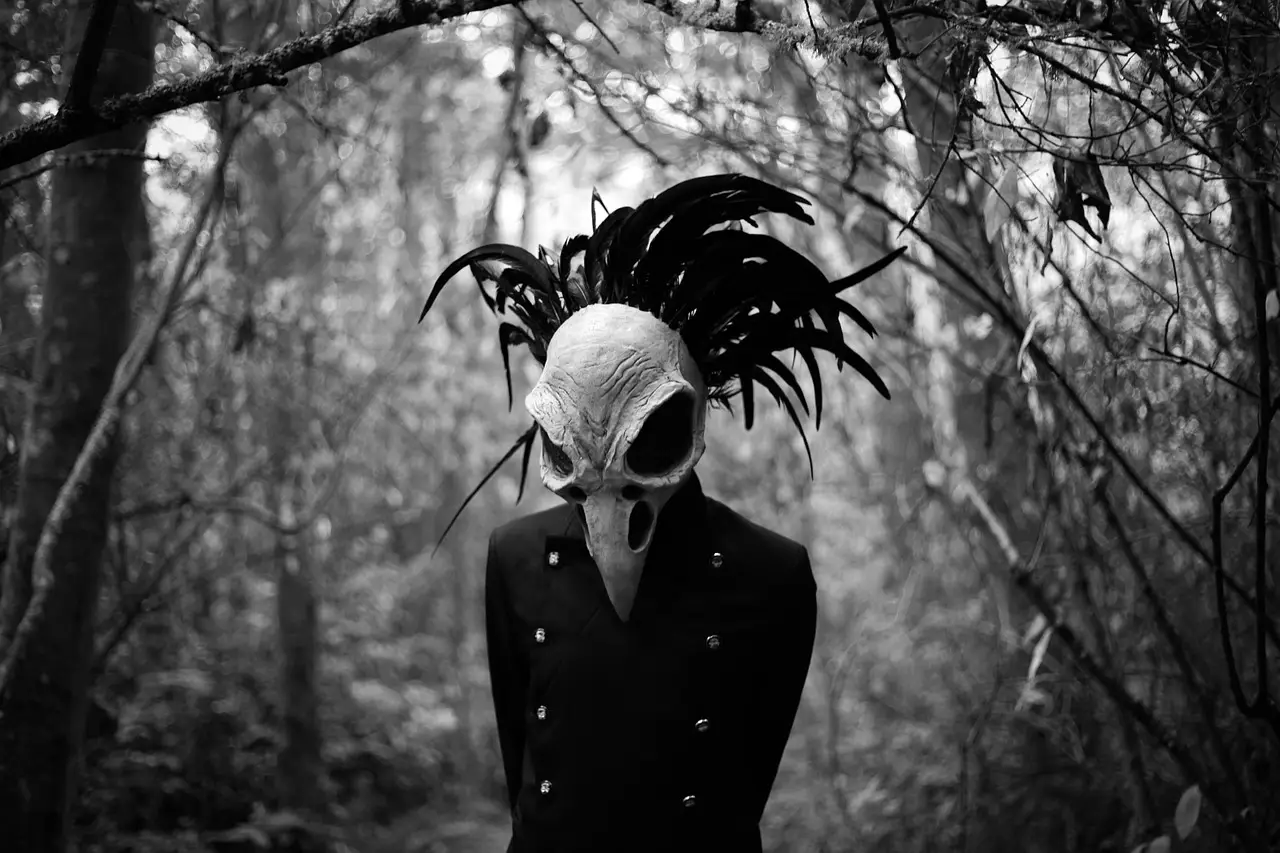
Caspar's scenes rarely announce themselves as grand spectacles. Instead, they introduce one strange little detail into an otherwise believable world and leave the viewer to figure out what is going on. A floating figure. A cactus head. A portable cloud. The disturbance is small. The surroundings stay ordinary.
This restraint separates his work from the maximalist tendencies of much AI imagery. The drama comes not from scale but from placement, an impossibility tucked quietly into a hallway or a field.
Why keep two practices apart?
Caspar has deliberately kept his AI creations separate from his conventional photography. He argues that authentic photographic encounters and synthetic images have different emotional qualities. The camera records a real meeting between photographer and subject. The algorithm does not.
Yet both sides of his practice share a fascination with people and the stories their images can suggest. Whether depicting an impossible physical transformation or an intimate, dreamlike moment, he seems, in the words of Design You Trust, "less interested in showing off technology than in creating situations that feel strangely familiar, even when they make absolutely no sense."
What does this change for photography?
Caspar's dual career offers one answer to a question the medium now faces constantly. A portrait photographer's craft — light, gesture, framing, grain — transfers intact into synthetic image-making. The tools change. The eye does not. His work suggests that AI imagery will be judged less by how it was made than by whether it still looks like it was seen.
The full series is available on Instagram under the name Caspar Jade.
Source: designyoutrust.com
More from Marcus Bennett
Show full bio
Staff writer covering people, launches and day-to-day practice in arts in the broadest sense at Arts & Voices.
1,282 articles