Iván Fischer Leads Concertgebouw in Its First Der Silbersee
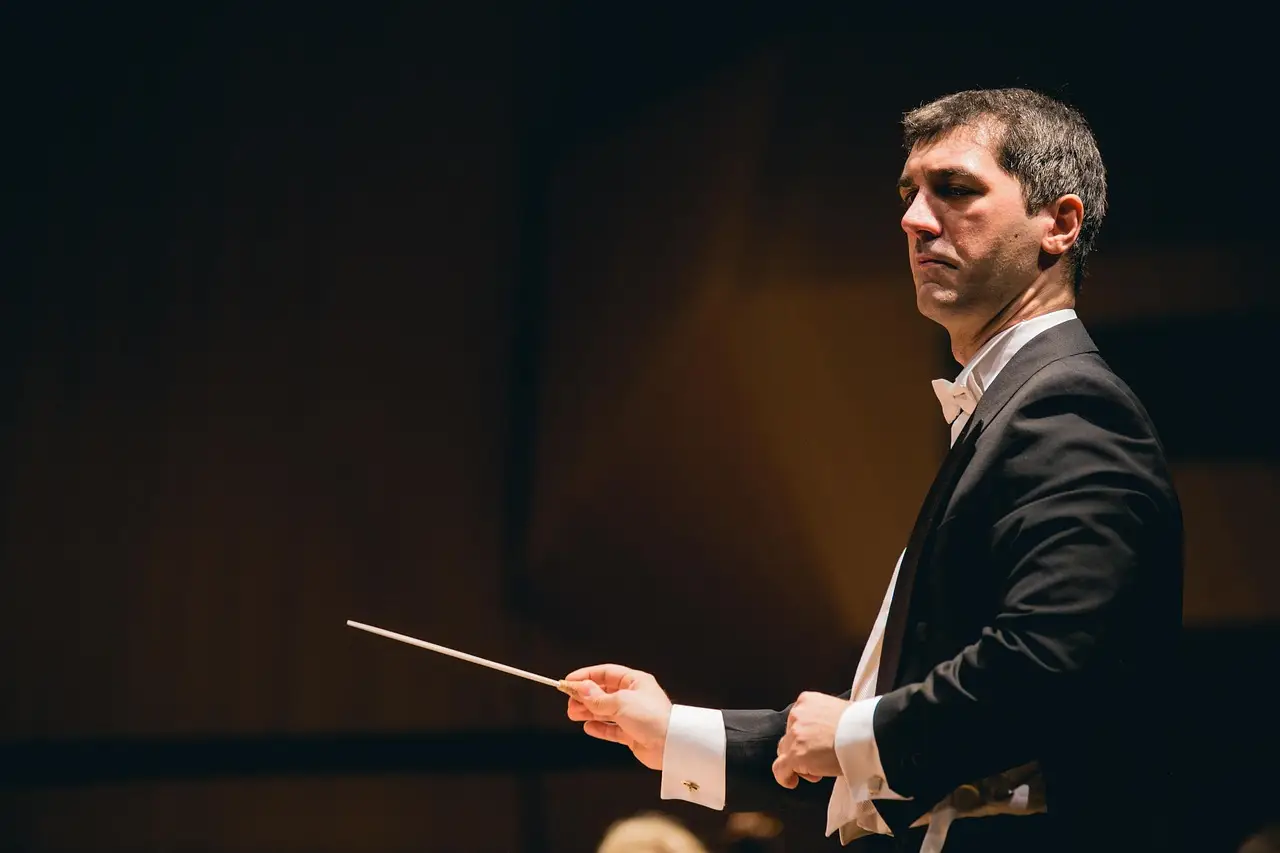
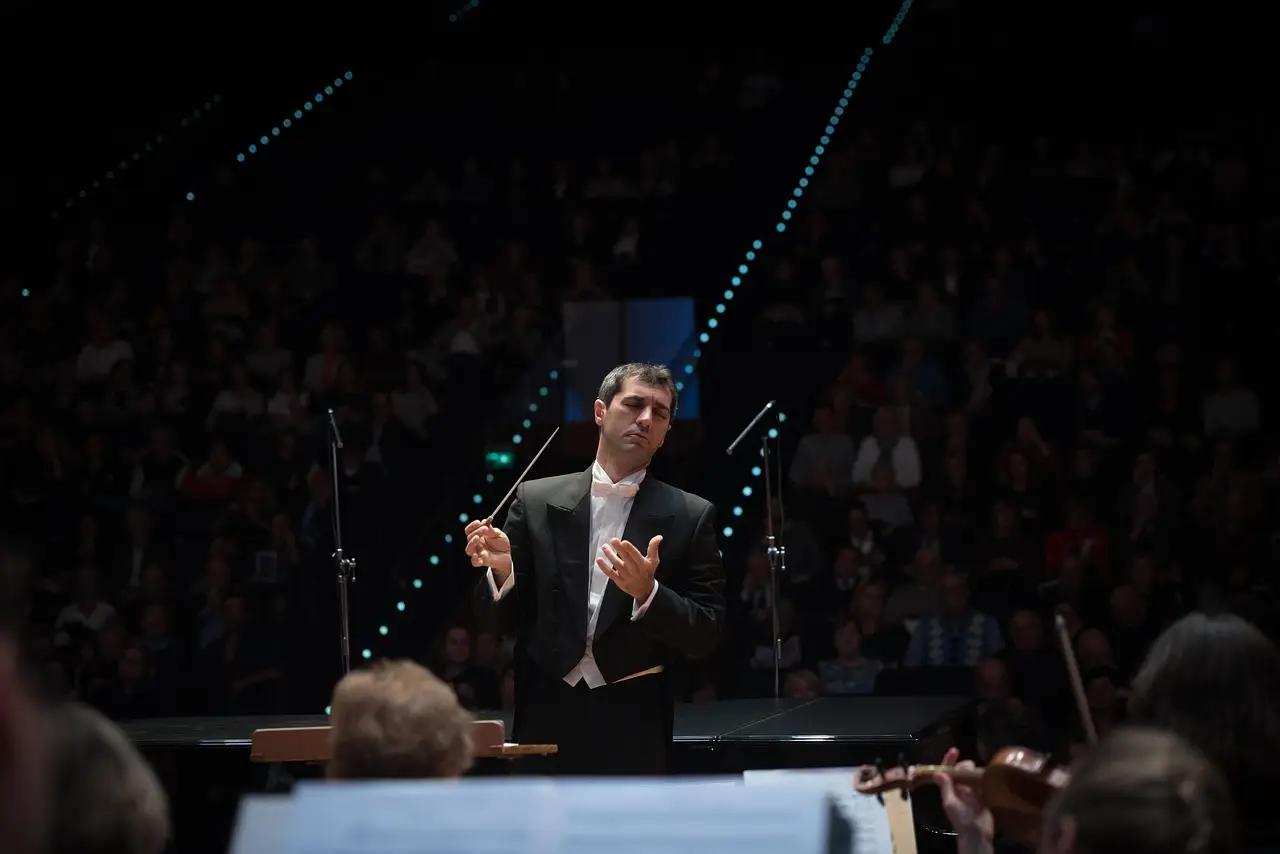
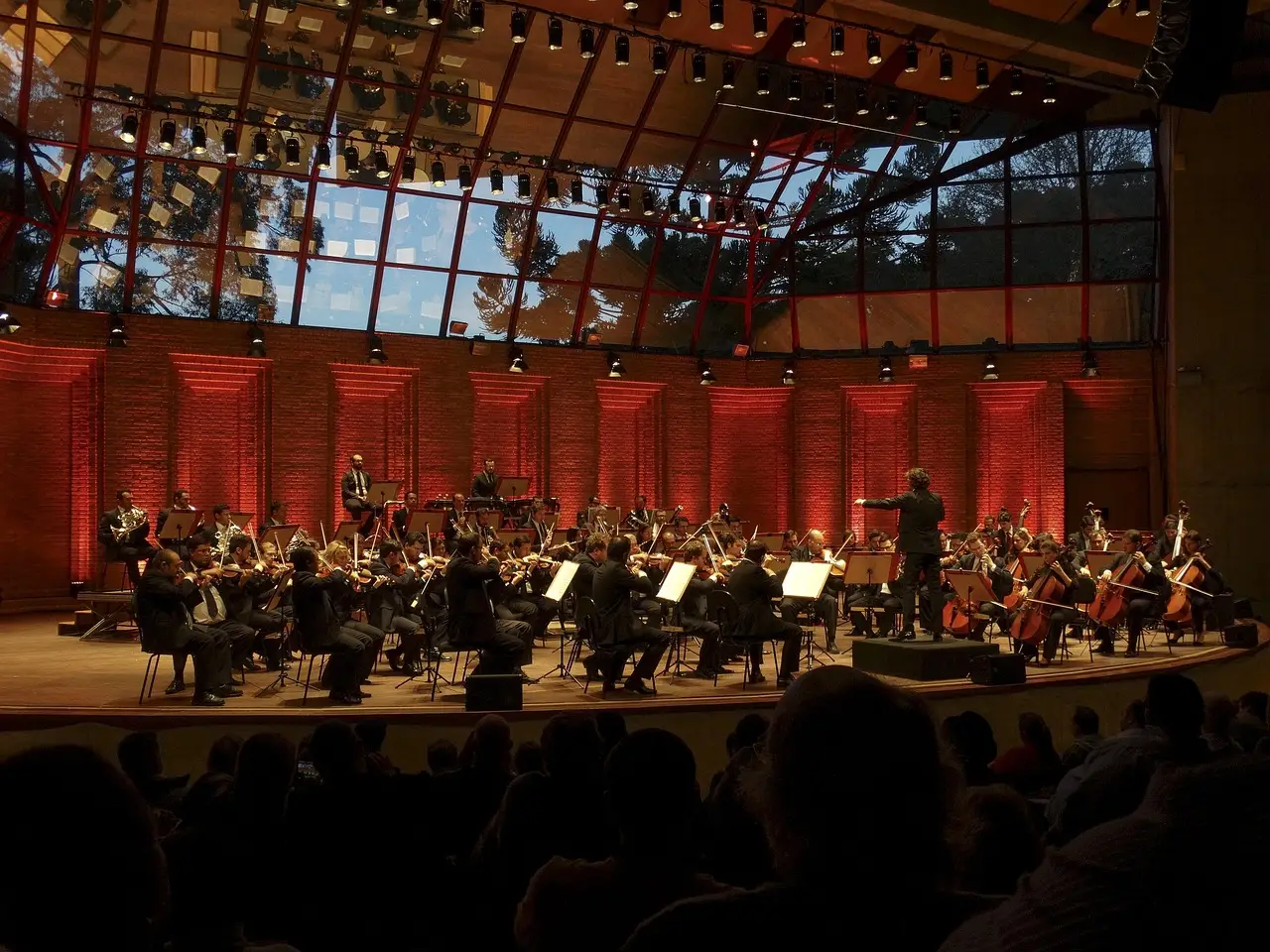
Iván Fischer conducts the Royal Concertgebouw Orchestra next month in its first performance of Weill's Der Silbersee, in a new shortened concert version with Dutch spoken texts.
Programme
- Iván Fischer conducts the Royal Concertgebouw Orchestra next month in its first performance of Der Silbersee.
- Weill composed the opera in 1932; it premiered 19 days after Hitler took power and was banned a month later.
- Fischer's new concert version significantly shortens the plot, with most spoken texts in Dutch.
- Fischer will serve as one of the narrators; the performance will have surtitles.
Iván Fischer will conduct the Royal Concertgebouw Orchestra next month in the ensemble's first-ever performance of Kurt Weill's Der Silbersee. The Hungarian conductor has prepared a new concert version of the work, one he has significantly shortened and reshaped for the occasion.
The opera carries a history that Fischer himself laid out. "Kurt Weill composed this beautiful opera in 1932," the conductor said. "Early next year Hitler came to power, and nineteen days later Der Silbersee was first performed in a few German cities. One month later it was banned by the Nazis… If we manage to perform it well, no eyes will be dry in the audience."
That timeline frames the work. Weill wrote Der Silbersee in 1932. Hitler took power in early 1933. Nineteen days later, the opera had its first performances in several German cities. One month after that, the Nazis banned it.
What does Fischer's new version change?
The conductor has substantially condensed the plot for his concert staging. Most of the spoken texts are in Dutch, a choice aimed squarely at the Amsterdam audience. Fischer will also step out of the podium role at moments: he will serve as one of the narrators. Surtitles will accompany the performance.
The combination is unusual. A conductor who both leads the orchestra and speaks the text is rare in any concert hall, and rarer still at an institution of the Concertgebouw's standing. The orchestra has never performed Der Silbersee before, which makes the date a first in the ensemble's record with Weill's stage works.
The work itself sits at a hinge moment in musical history. Composed in the last year before the Nazi seizure of power, it belongs to the final stretch of Weill's German period, when his collaborations with playwrights were reshaping musical theatre in Berlin. Its suppression within weeks of the premiere cut short a work that Fischer clearly believes still carries direct emotional force — his prediction that "no eyes will be dry in the audience" is the strongest claim a performer can make for it.
For Fischer, the project also marks a doubling of roles. He arrives as both conductor and narrator, and as the maker of the version itself. The shortened plot and the Dutch-language spoken texts mean Amsterdam will hear Der Silbersee in a form that exists nowhere else.
What this changes for audiences is straightforward: the Royal Concertgebouw Orchestra adds a major Weill title to its repertoire for the first time, next month, in a version prepared and partly narrated by one of today's most prominent conductors. Whether the Fischer edition travels beyond Amsterdam may depend on how dry the eyes stay.
Source: Slipped Disc
More from Marcus Bennett
Show full bio
Staff writer covering people, launches and day-to-day practice in arts in the broadest sense at Arts & Voices.
1,646 articles