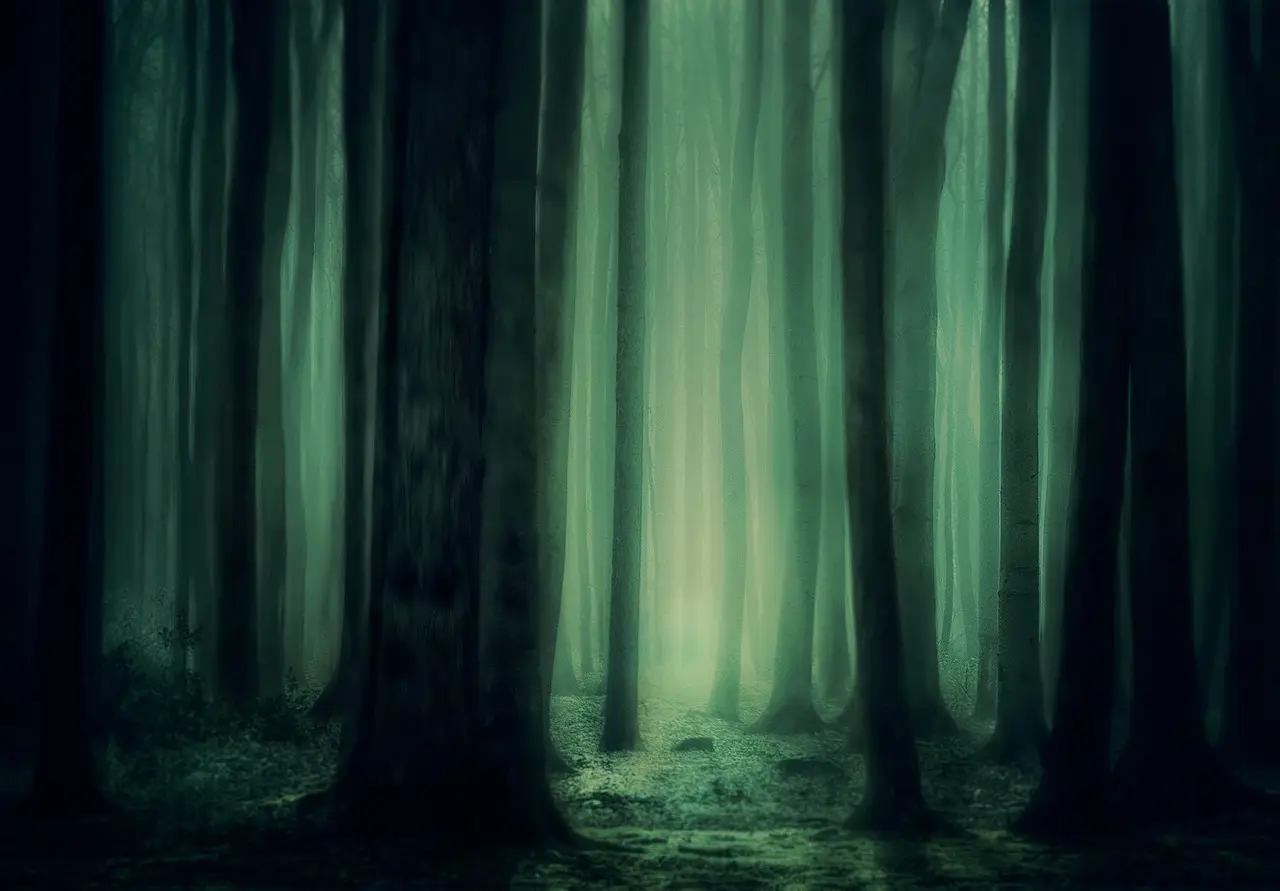
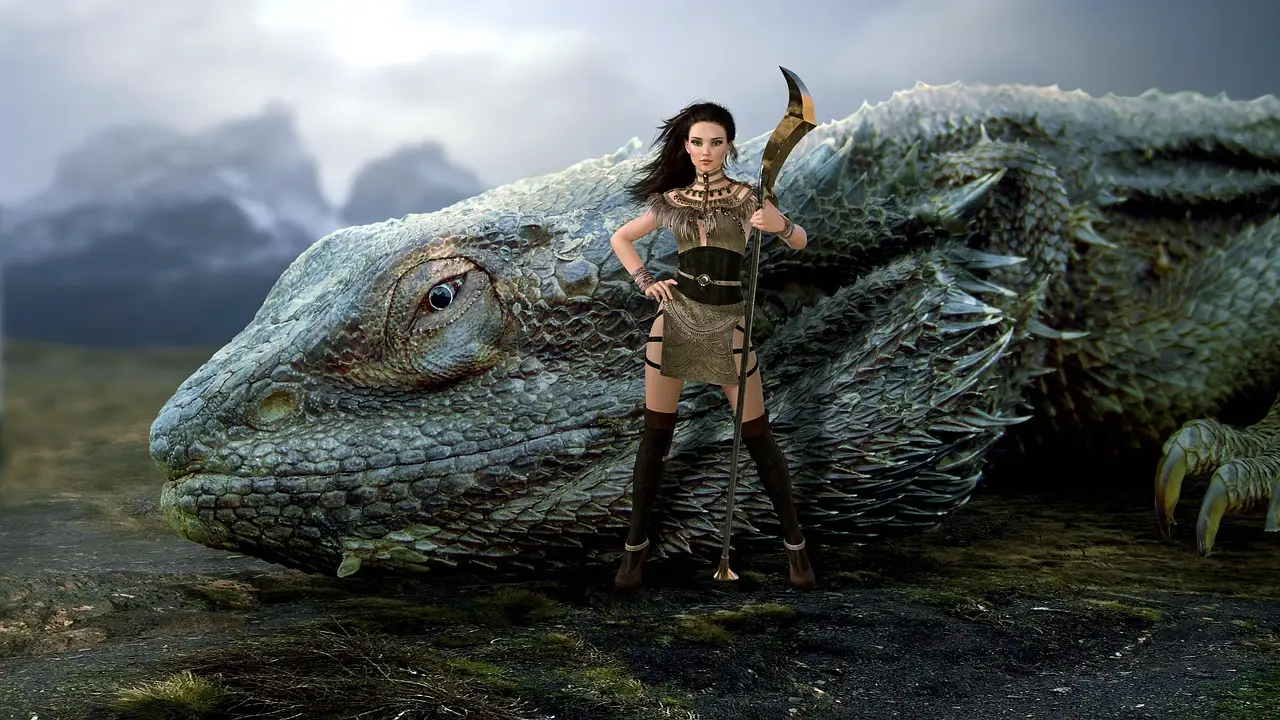
Joe’s Ghost brings dark folklore and retro cartoons into the woods
Joe’s Ghost’s 27-image portfolio turns forests into a realm of cryptids, talking trees, grainy retro color and dark jokes, with short animations extending the drawings.
Programme
- The portfolio presents 27 distinct images by Stockholm-based illustrator and animator Joe’s Ghost.
- Its cast includes woodland creatures, talking trees, cryptid monsters, anthropomorphic plants and small ghosts.
- The feature cites three visual models: vintage animation cels, old horror posters and obscure children’s books.
- The work combines four visual traditions: folklore, cryptozoology, retro cartoons and psychedelic illustration.
- Joe’s Ghost also makes short animated scenes, although the feature provides no individual titles or release dates.
By Elena Vasquez
Joe’s Ghost, an illustrator and animator based in Stockholm, Sweden, is the only artist featured in a Design You Trust portfolio of 27 distinct images. The feature presents woodland creatures, talking trees, cryptid monsters and eccentric characters within one connected visual world.
Design You Trust opens with the premise: “Forests are mysterious enough without the trees developing faces and the local wildlife behaving like characters from a forgotten cartoon.” The line captures how the portfolio turns familiar forest motifs into narrative scenes without supplying written backstories.
What subjects populate the forest?
The cast is broad but coherent. According to the feature, recurring figures include:
- Woodland creatures with uncertain identities.
- Talking trees with humanlike faces.
- Cryptid monsters rooted in folklore.
- Cheerful anthropomorphic plants.
- Small ghosts and humorous humanlike characters.
Across the feature, these figures connect forest folklore with visual jokes, giving the 27-image sequence continuity without requiring a written mythology or linear plot. Several characters behave as though improbable creatures are ordinary neighbors.
The cast is built less as a realistic ecosystem than as a chain of comic encounters.
How does the vintage look work?
Design You Trust identifies four visual cues in Joe’s Ghost’s illustrations:
- Rough textures.
- Exaggerated expressions.
- Grainy surfaces.
- Unusual color combinations.
Together, those cues make each scene feel aged, printed and slightly unstable. The feature compares their appearance to vintage animation cels, old horror posters and illustrations from obscure children’s books.
That mixture gives the work a specific material history without fixing it to one period. Retro-cartoon familiarity sits beside the visual uncertainty of horror print and children’s-book illustration, while the grain keeps every image visibly handmade.
The look succeeds by making age, grain and distortion part of the image’s subject.
Where does the dark humor sit?
The feature describes two strong modes across the portfolio. Each relies on a different register of strangeness.
- Dark and atmospheric scenes place mysterious creatures between shadowy trees.
- Absurd scenes give cheerful plants, small ghosts and oblivious characters the lead.
The central joke comes from the distance between setting and behavior. A forest may appear threatening, while the figure inside it treats danger as routine. Design You Trust describes some characters as “blissfully unaware” of how bizarre their surroundings have become, and that gap supplies the work’s dark humor.
The comedy comes from danger looking ordinary to the characters inside it.
How does animation change the work?
Joe’s Ghost also experiments with animation. Design You Trust says short moving scenes bring the creations to life, extending the same invented ecosystem beyond static frames and testing whether rough drawing, deadpan humor and unstable color retain their force in motion.
The feature assigns no individual titles to those scenes and provides no release dates. It also gives no technical or production details, leaving the visual evidence to define the shift from illustration to animation.
Across both modes, the artist brings together four visual traditions: folklore, cryptozoology, retro cartoons and psychedelic illustration. The result feels nostalgic and unpredictable at once, with familiar forms placed in unfamiliar relationships.
A link to Joe’s Ghost’s Instagram account provides the feature’s direct route to more work. For the artist, the short moving scenes now offer a clear route from image portfolio to sustained animation practice, provided the rough texture and tonal shifts survive the transition.
Source: designyoutrust.com
More from Elena Vasquez
Show full bio
Senior reporter covering technology and product news in arts in the broadest sense at Arts & Voices.
1,685 articles