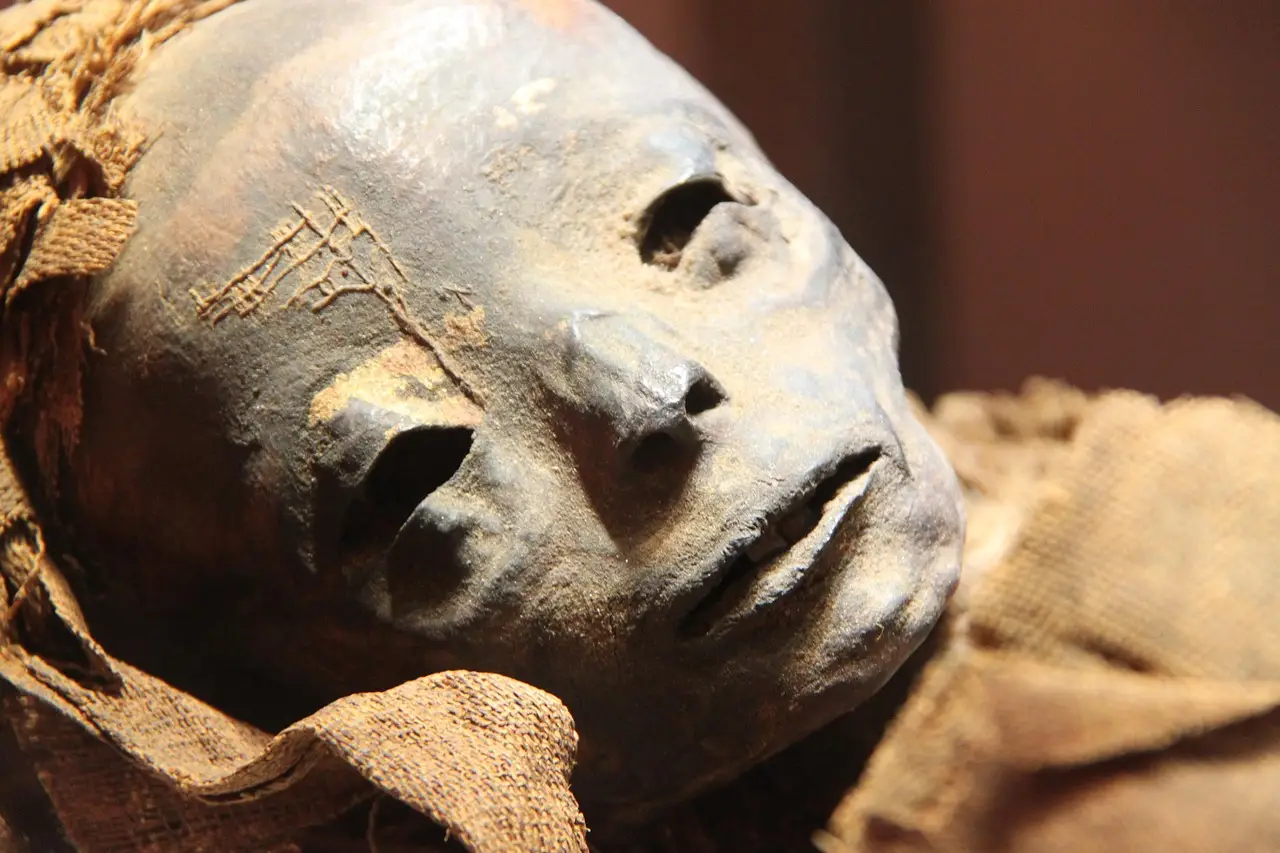
Nekht may return to Egypt after removal from Kelvingrove display
After removing the priest Nekht’s coffin and mummy from view, Glasgow Life received a request for repatriation to Egypt, feeding debate over consent and care.
Programme
- Last month: Kelvingrove officials removed the coffin and mummified body of the ancient Egyptian priest Nekht from public view.
- Glasgow Life received a request to return Nekht to Egypt but has not confirmed the request’s origin.
- June: Icom revised its code of ethics to recommend upholding the “inherent dignity” of human remains.
- The Hunterian covered Lady Shep-En-Hor’s open sarcophagus after an ethical review, but kept the sarcophagus on display.
- Last year: Manchester Museum asked visitors about displaying Asru, then removed the mummy from public view.
By Tom Whitfield
Last month, Kelvingrove Art Gallery and Museum removed the coffin and mummified body of the ancient Egyptian priest Nekht from public view. Glasgow Life, the charitable organisation that operates the museum, has received a request to send Nekht back to Egypt, confirmed to The Art Newspaper.
The Scottish newspaper The Sunday Post reported that Egyptian authorities asked for Nekht’s repatriation. Glasgow Life has not confirmed the request’s origin. The newspaper’s attribution therefore remains unverified by the museum.
The reporting places the request after the removal, although neither account gives an exact removal date. A return to Egypt remains possible rather than confirmed, and the reporting provides no transfer timetable.
Why Kelvingrove removed Nekht
A Glasgow Life spokesperson set out the draft policy:
“Glasgow Life Museums’ draft Human Remains Policy proposes human remains should only be displayed where there is documented and informed consent from the deceased individual or, in appropriate circumstances, their descendants. In the absence of such consent, we believe removing ancient Egyptian human remains from display is more respectful to the deceased individuals.”
The policy remains a draft. The published statement does not document descendant consent, prior consultation or a settled repatriation plan. It supports the withdrawal of Nekht from display, but it does not announce a final rule for transfer.
What Icom’s guidance does and does not say
The International Council of Museums (Icom) revised its code of ethics in June. The revision recommends that the “inherent dignity” of human remains be upheld.
Icom does not state that all human remains should be removed from display. Its code can guide a museum’s ethical reasoning, but it does not direct every institution to withdraw every ancient remain. The distinction matters when Kelvingrove presents removal as the more respectful course.
A different response at Hunterian
The Hunterian gallery in Glasgow confirmed to Museums Journal that it had covered an open sarcophagus containing the mummified remains of Lady Shep-En-Hor after an internal ethical review. The sarcophagus itself remains on display.
The measure changes what visitors can see without removing the container from the gallery. The comparison with Kelvingrove is direct: one covered a sarcophagus and kept it visible; the other removed a coffin and body from view.
What does this change for museums and visitors?
The removals at Kelvingrove and other museums feed a wider debate across the UK museums and heritage sector over the care and display of human remains. For visitors, the effect is immediate: Nekht’s coffin and body are no longer on public view.
For institutions, the harder change is evidentiary. The draft policy proposes that display require documented, informed consent from the deceased individual or, in appropriate circumstances, descendants. The quoted statement does not say that every collection must close.
Stuart Robertson, former director of the Charles Rennie Mackintosh Society in Glasgow, wrote on LinkedIn: “applying modern, 21st-century bureaucratic consent standards retrospectively to ancient history is an absurd and impossible standard. It completely undermines the educational mission of public museums”.
The reporting does not say whether Kelvingrove consulted the public or replaced Nekht’s display with interpretation. It therefore records a moral claim for removal but no stated educational response to Robertson’s objection.
Manchester’s Asru precedent
Last year, officials at Manchester Museum asked visitors whether the mummified remains of an Egyptian woman should remain on display. The mummy, known as Asru, was subsequently taken off public view.
“Asru now lies in the museum’s stores within her outer coffin, which will remain closed, but this is not intended to be her permanent resting place. We are thinking about how we better care for ancestors, in line with the wishes of the dead and of living communities,” says the museum’s website.
That wording describes an intention, not a final resting plan. It does not specify who will advise on future care, when a decision will be made or where Asru will eventually be placed. The public consultation addressed visibility; it did not settle long-term custody.
Manchester’s consultation and Kelvingrove’s withdrawal offer different models: one asked the public before removing a mummy from view; the other invoked a draft consent policy. Neither account shows that public consultation produces repatriation, and neither settles how museums should weigh display, education and the wishes of living communities.
The next evidence will be Glasgow Life’s confirmation of the request’s origin and a final policy; until both exist, Nekht remains out of view and repatriation unresolved.
Source: theartnewspaper.com
More from Tom Whitfield
Show full bio
Market editor covering people, launches and day-to-day practice in arts in the broadest sense at Arts & Voices.
1,135 articles