Programme
- World premiere of Theodore Wiprud's oratorio 'Don't Let the Sun' set for Nov. 17 at the University of Michigan.
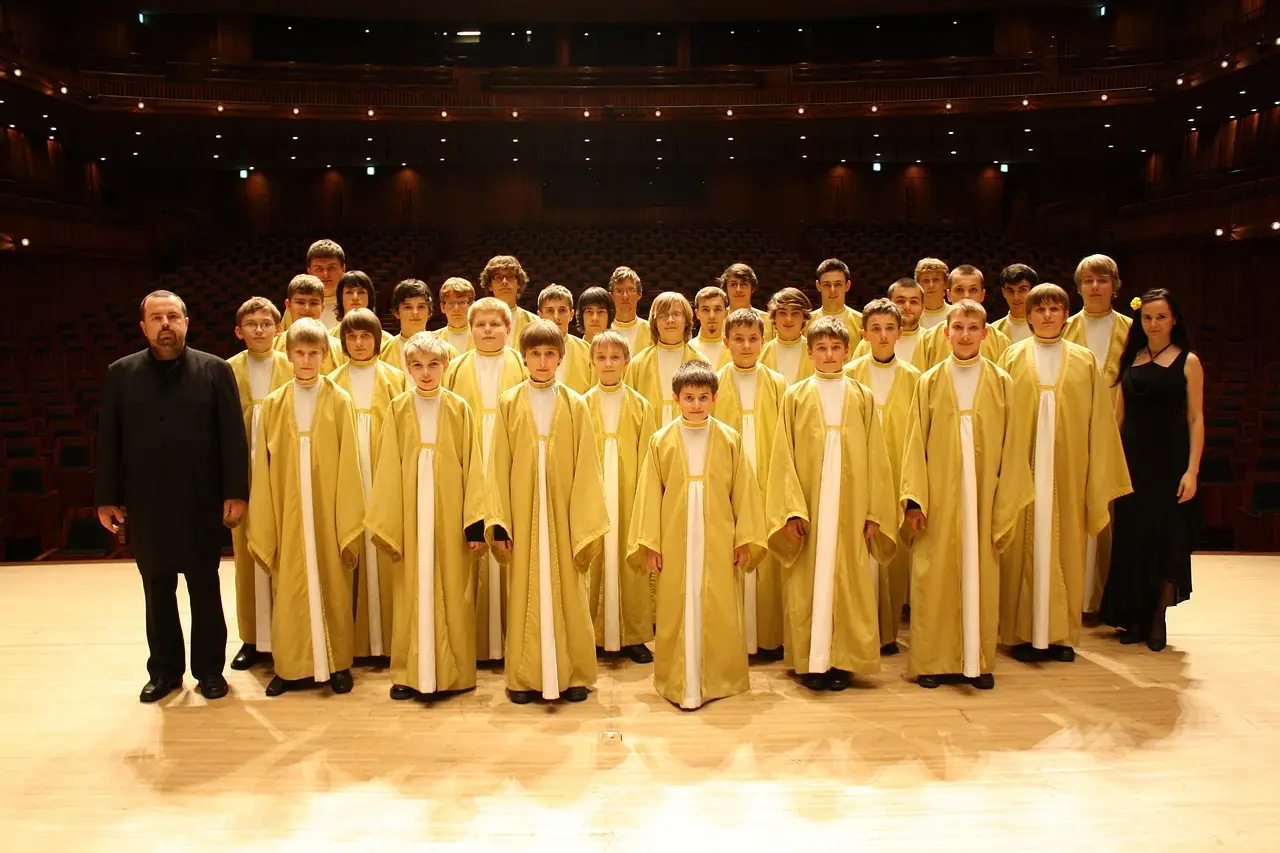
- The U-M Chamber Choir and University Choir perform under director Eugene Rogers.
- Libretto by Richard Wesley, librettist of the Pulitzer Prize-winning opera 'The Central Park Five'.
- The work is based on the research of the late sociologist James Loewen, author of 'Sundown Towns'.
The University of Michigan presents the world premiere of Theodore Wiprud's oratorio "Don't Let the Sun" on Nov. 17 in Ann Arbor. The work addresses the history of sundown towns — municipalities that required nonwhite residents, especially African Americans, to leave by sunset.
The performance will feature the U-M Chamber Choir and University Choir under the direction of Eugene Rogers. The piece draws directly on the research of the late sociologist James Loewen, author of Sundown Towns: A Hidden Dimension of American Racism.
Who created the oratorio?
Composer Theodore Wiprud wrote the full-length work to a libretto by Richard Wesley. Wesley previously served as librettist for the Pulitzer Prize-winning opera The Central Park Five. The pairing brings a documented record of politically engaged vocal writing to a subject Wiprud describes as undertold.
Wiprud traced the project's origin to his personal connection with Loewen. "He was a striking figure and intellect, on a mission to tell the truth about American history," Wiprud said. "We struck up a friendship, and when he sent me a copy of his book 'Sundown Towns,' I recognized an opportunity and a need to tell that story in the form of an oratorio."
How did the collaboration come together?
Rogers said the project reached him through Loewen's own expressed wishes. "Most of us were in place because James had expressed desires to work with us," Rogers said. "He had seen my work with the 'Seven Last Words of the Unarmed,' and said that if anyone was going to perform this (new) work, he wanted me to be included. I knew that it was definitely something I needed to be a part of."
Loewen's endorsement carried weight. His book documented the scale and persistence of sundown towns across the United States, and his interest in specific artists shaped the premiere's creative team.
What does the premiere change for audiences?
For the University of Michigan, the Nov. 17 performance places a chamber chorus at the center of a difficult historical reckoning. For Wiprud and Wesley, it extends a body of work that gives musical form to episodes of American racial history.
The premiere also stands as a posthumous realization of Loewen's aims. A sociologist who spent his career correcting the historical record now has his research carried into the concert hall by the ensembles and artists he personally championed.
Source: Opera Wire
More from Marcus Bennett
Show full bio
Staff writer covering people, launches and day-to-day practice in arts in the broadest sense at Arts & Voices.
1,514 articles