Yuja Wang criticised after 17-minute Beijing concert delay
Chinese state media criticised Yuja Wang after a roughly 17-minute delay at her Beijing concert, reviving scrutiny of a shortened Hong Kong program that prompted refunds and a funding review.
Programme
- Yuja Wang arrived roughly 17 minutes late at the National Centre for the Performing Arts in Beijing on Monday.
- The Global Times said this was the first Chinese state-media criticism of Wang during her career.
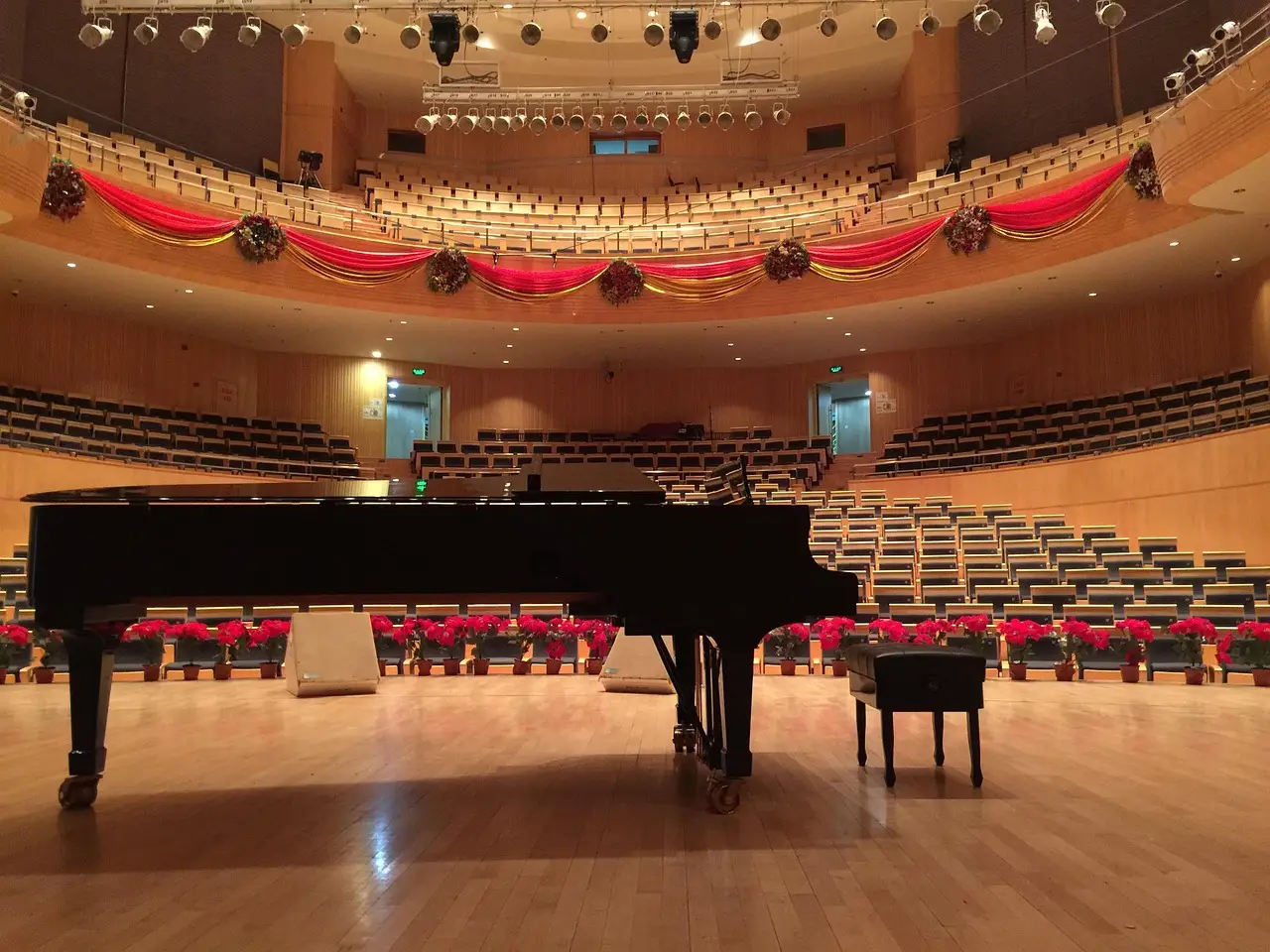
- Audience members said the orchestra waited on stage while the hall awaited the scheduled start.
- A shortened Hong Kong program prompted full refunds and an official review of public funding.
- Social-media discussion spread rapidly before the Beijing concert ended.
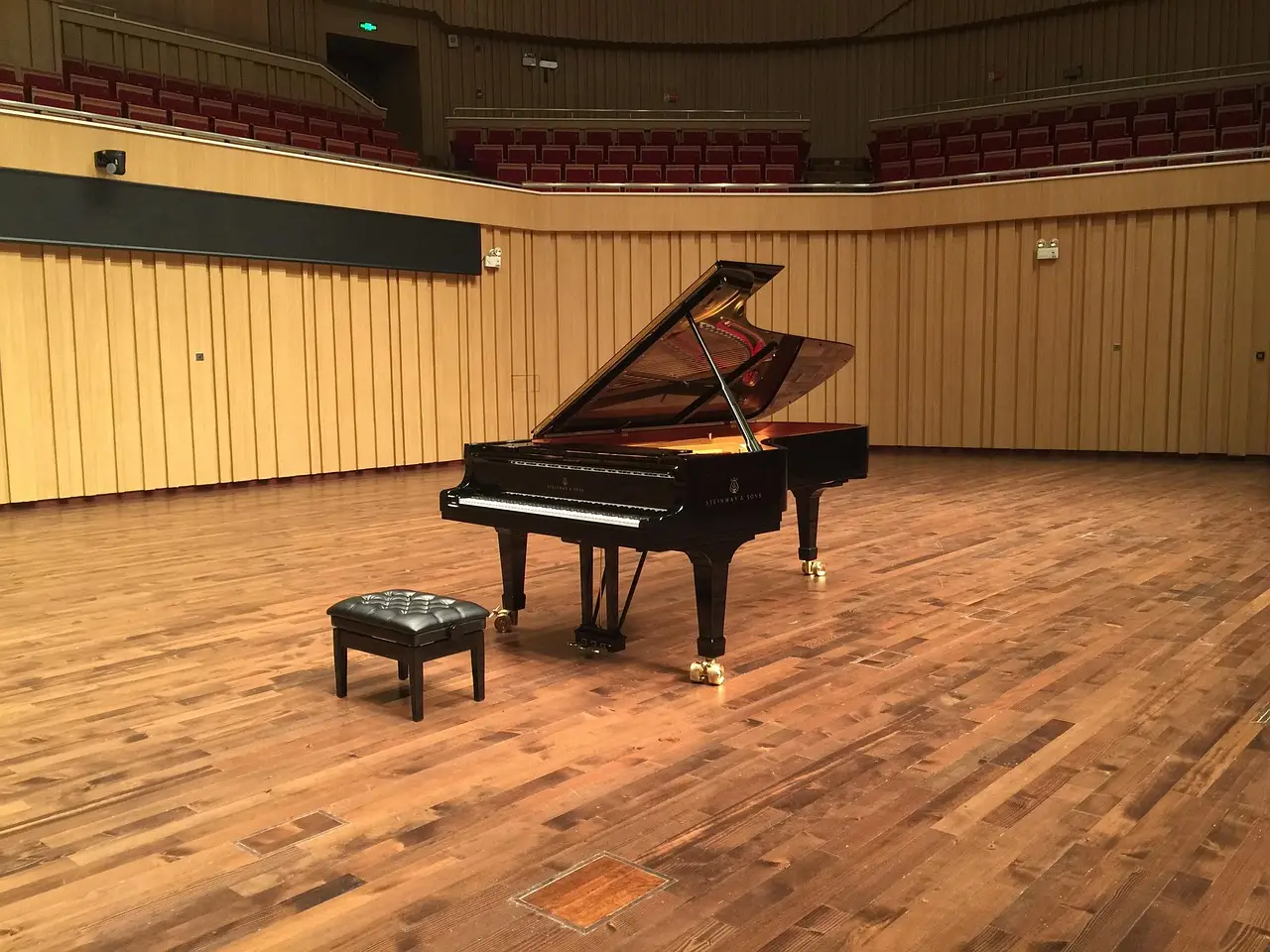
Chinese state media criticised visiting pianist Yuja Wang on Monday after she arrived roughly 17 minutes late for a concert with the Mahler Chamber Orchestra at the National Centre for the Performing Arts in Beijing. The Global Times, described in the report as an officially approved outlet, said this was the first time Chinese state media had criticised Wang during her career.
The criticism quoted in the Global Times report did not assess her playing. It framed the incident around punctuality, the audience’s wait and professional respect, making the delay rather than the concert program the reported cause of the dispute.
What does this change for audiences and the Hong Kong organizer?
According to audience accounts cited by the Global Times, the scheduled start time passed while the orchestra remained on stage and the hall waited. A host eventually said the pianist “had not yet adjusted to her optimal state.”
Zheng Jiarui, an audience member in her 40s, described what happened after Wang failed to appear. The Global Times said discussion spread rapidly on social media before the concert ended. That timing made the criticism part of the concert rather than a retrospective response.
Audience responses were mixed, the Global Times reported, rather than uniformly hostile. One attendee complained online that the entire audience and orchestra were left waiting while staff explained the delay, and posted: “how could they handle things this way?”
In the Global Times account, the episode acquired its public dimension through timing. People were already posting before the concert ended, while the repeated language of disrespect placed professional conduct, not just lateness, at the center of the response.
“Although Wang was also late in Shanghai, the delay in Beijing was too long; it shows disrespect to the audience and disrespect to the orchestra. She kind of went too far over the line,” said classical music commentator Xiao Hu. He treated duration, rather than lateness alone, as decisive. His criticism identified who absorbed the cost: an audience and orchestra waiting in Beijing.
Former industry practitioner Qin Zhongwei was more qualified: “Some may feel she is spoiled and has not given music lovers sufficient respect…” The Global Times presented Qin’s wording as one possible reading of public opinion, not a settled conclusion.
The Global Times did not claim that the Beijing delay caused the Hong Kong measures. It said Wang’s shortened Hong Kong program had already prompted full refunds and an official review of public funding for the local organizer.
For concertgoers, the practical effect was immediate: they waited, the start slipped and criticism arrived before the event ended. For the Hong Kong organizer, the formal consequences were already concrete: full refunds and an official review of public funding.
The sequence separates two forms of consequence. Beijing produced reputational friction around one artist’s punctuality; Hong Kong opened a formal review affecting public support for the local organizer. Nothing in the Global Times account established a causal link between them.
The account quoted here included no statement from Wang explaining the Beijing delay. The host’s formulation remained the only explanation included, while Zheng supplied an eyewitness account and Xiao Hu and Qin Zhongwei supplied judgments about respect.
The Hong Kong funding review is the mechanism that could turn a tour controversy into a decision about public money. Wang’s Beijing delay has already made punctuality part of the story, but the review could determine whether the dispute stays attached to one missed start or extends to the organization of the Hong Kong program.
Original: globaltimes.cn
More from Grace Kim
Show full bio
Correspondent covering technology and product news in arts in the broadest sense at Arts & Voices.
1,596 articles