Film & Screen
The Uprising review: Andrew Garfield can't save Greengrass epic
Paul Greengrass's The Uprising, starring Andrew Garfield as the 1381 Peasants' Revolt unfolds, is called a disjointed slog with the emotional depth of a History Channel rerun.
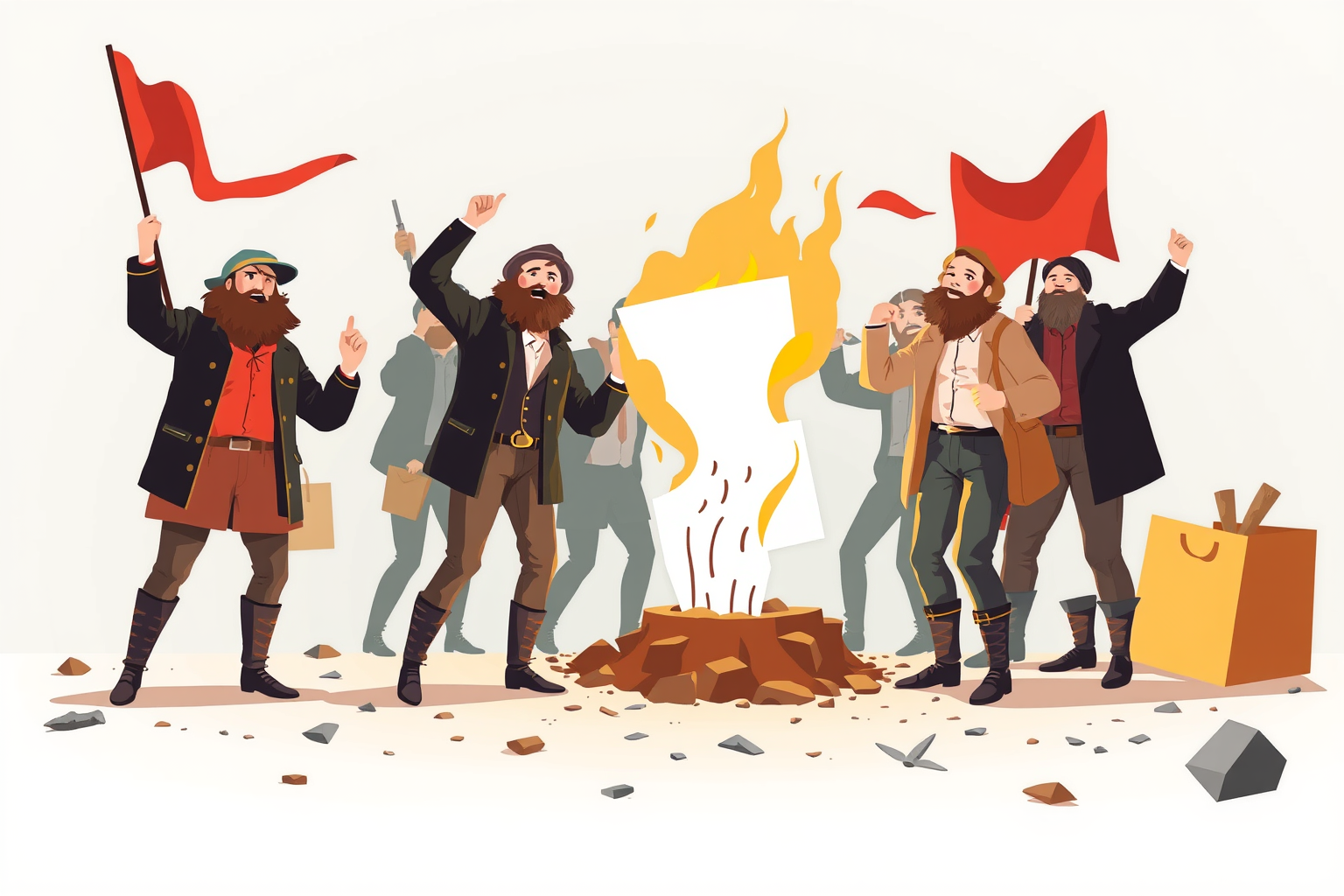
Andrew Garfield's charisma cannot rescue Paul Greengrass's The Uprising, a grim and depressingly generic period piece that squanders its timely subject matter, according to a new review of the film.
The film, directed by the Bourne trilogy's Paul Greengrass and starring Andrew Garfield, dramatises the Peasants' Revolt of 1381 — a historical setting that, on paper at least, resonates uncomfortably with what the review describes as "the western world's backslide into repressive authoritarianism."
In practice, the reviewer finds the film falls well short of its premise. The Uprising is, the review states, "a disjointed slog through the mud with the emotional depth of a History Channel rerun."
The criticism lands in a broader context of struggle for the historical-epic genre. The review notes that Hollywood keeps handing young actors their own sweeping period dramas while audiences keep declining to watch them. Timothée Chalamet starred in the medieval-set The King and Chris Pine in Outlaw King — films the reviewer identifies as among the two actors' least remembered roles.
The commercial record is equally bleak. Ridley Scott's The Last Duel made back only a third of its $100m budget. Earlier this year, the Saudi-backed seventh-century drama Desert Warrior, starring Anthony Mackie and Ben Kingsley, quietly became one of the biggest flops of all time.
Last week, the review notes, it was reported that Scott blamed the failure of Gladiator II on lead Paul Mescal not being "masculine enough" — an argument the reviewer dismisses as a logical leap that only holds if one's barometer for masculinity is a man who throws hotel phones and yells at producers in storage closets.
Against that backdrop, The Uprising entered production with apparent advantages. It paired a blue-chip director in Greengrass, whose Bourne films redefined the modern action thriller, with a leading man in Garfield known for nuanced, introspective performances. Its subject, the 1381 revolt, offered a milieu with clear contemporary charge.
The review's verdict suggests none of that translated to the screen. The pairing of director and star, and the political resonance of the material, ultimately produced what the critic calls a muddled and generic epic rather than the distinctive historical drama its components promised.
For Greengrass, the film marks a notable misstep for a filmmaker whose handheld, urgent style has previously earned critical favour. For Garfield, it adds a period epic to a résumé better known for intimate, character-driven work. The film's reception now adds another data point to the genre's mounting commercial and critical troubles, and raises the question of whether star power alone can still carry audiences into the medieval past.
Original: youtube.com
Elena Vasquez
Show full bio
Senior reporter covering media and advertising at Arts & Voices.