Camerata Pacifica pairs modern scores with Mozart at Hahn Hall
Camerata Pacifica’s Hahn Hall program paired four modern scores with Mozart. Mazzoli’s treated violin, Nourbakhsh’s life-and-death sextet and Zahharenkova’s piano shaped a varied evening.
Programme
- The Hahn Hall concert presented five works: four modern scores and Mozart’s piano-and-winds quintet.
- Sarah Gibson died of cancer at 38 after briefly teaching at UCSB and the Music Academy of the West.
- Nourbakhsh’s world-premiere sextet The Innocence of Life reached its fourth appearance after three earlier concerts around Southern California.
- The Met’s performance of Missy Mazzoli’s Lincoln in the Bardo was free on YouTube through November 18.
- Gilles Vonsattel’s next Hahn Hall Beethoven program is scheduled for December 7.
By Elena Vasquez
Five works filled Hahn Hall on Friday, with Camerata Pacifica placing four modern scores alongside Mozart. Michael Daugherty, Missy Mazzoli, Sarah Gibson and Niloufar Nourbakhsh supplied the contemporary music. Irina Zahharenkova supplied the classical anchor.
What made the program mostly modern?
The review described Camerata Pacifica as an “equal opportunity programming adventure,” designed by founder and flutist Adrian Spence. The framing extended a season launched last month around an even pairing of Rachmaninoff and Schubert, with contemporary music now occupying four of the five Friday scores.
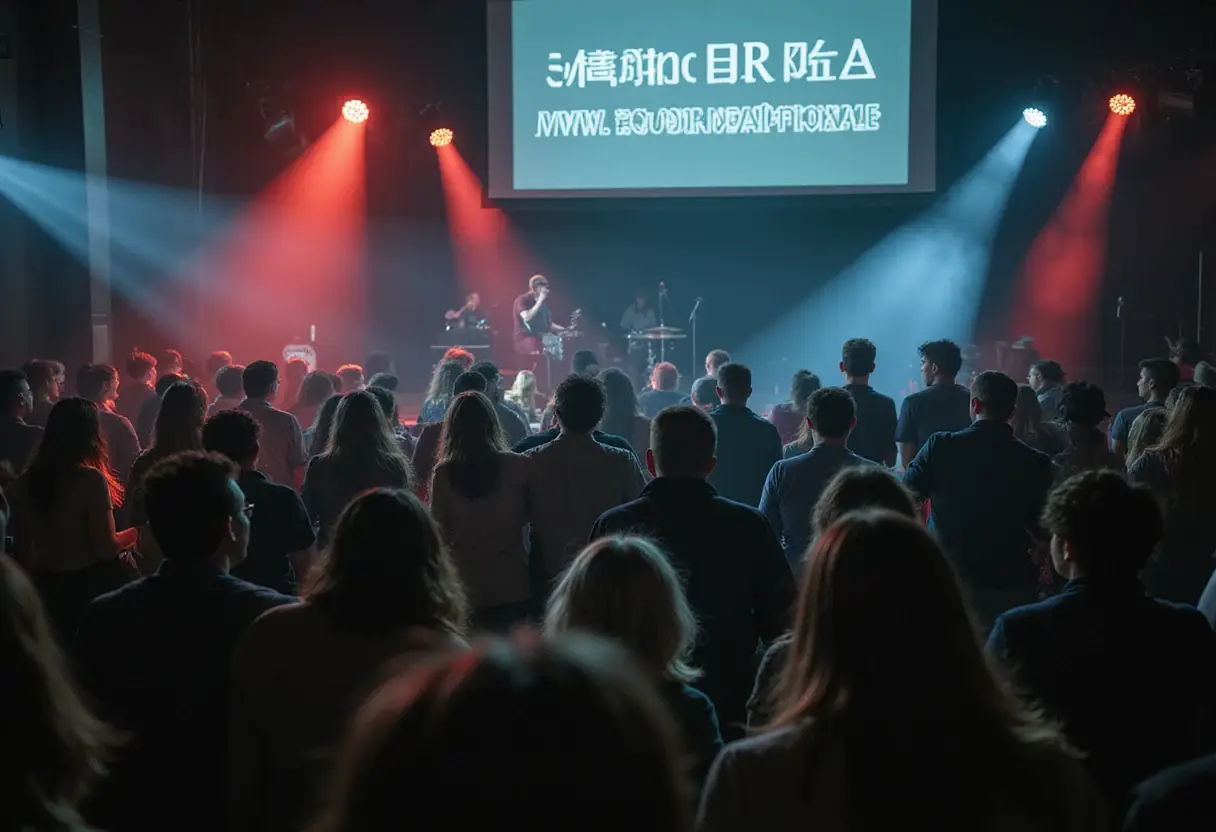
A lighting rig sent color-beaming rods just above the musicians’ heads. The review connected the elaborate visual scheme to the contemporary program. It called the evening “mostly modern and minimally Mozartean.”
In short, modern music supplied four of five works and set the concert’s terms.
How did Daugherty and Mazzoli shape the evening?
Michael Daugherty’s Firecracker opened the concert with post-minimalist energy. Nicholas Daniel soloed on oboe inside a septet.
The review found the work lived up to its title. Rhythmic parts tightened into a mellower, Middle Eastern-tinged middle section before closing fervor returned. Daugherty’s reliability, the review argued, spared contemporary music the audience skepticism that can blunt new work.
Mazzoli’s short, hypnotic Vespers for Violin came next. Alexa Hove played a treated violin with electronic accompaniment. Technicians worked around the hall before finding the downbeat.
After the delay, the review heard a luxuriant exercise in elegiac tone poetry. Hove’s reverb-lathered violin floated above drone tones and ghostly recorded voices.
Mazzoli also brought immediate cultural currency, the review argued, after the Metropolitan Opera recently staged her new opera adaptation of George Saunders’s novel Lincoln in the Bardo to rave reviews. She had served as composer-in-residence at the Music Academy of the West the previous summer. Mazzoli spoke about the challenge of writing it.
The Met YouTube performance was free through November 18. Daugherty supplied rhythmic force, while Mazzoli widened the concert’s sonic range through treated violin and electronics.
What gave Gibson’s and Nourbakhsh’s scores deeper weight?
The review identified Sarah Gibson, who briefly taught at UCSB and the Music Academy of the West. She died of cancer at 38. Her sextet, I Prefer Living in Color, contained swirls, pockets of energy and quick rhythmic flurries. The review found it evocative.
David Hockney’s Mulholland Drive inspired the work. The review linked its Southern California reference and Gibson’s youthful death to the title’s poignancy.
Niloufar Nourbakhsh, an Iranian composer, wrote The Innocence of Life as a mediation on life and death. The family of the late George Stephens, a longtime Camerata Pacifica supporter, commissioned the sextet.
The world-premiere work had already appeared at three earlier Camerata concerts around Southern California. Friday marked its fourth appearance. The three movements were titled A Procession, The Act of Death and The Act of Birth.
The review heard pensive harmonies and ensemble weaves floating like clouds of sound, before the birth movement shifted into a rhythmic grid near minimalism and briefly surfaced hope. The final movement’s hopeful suggestion remained tinted by anxiety, which the score only temporarily quelled.
Gibson and Nourbakhsh tied the contemporary center to place, memory and mortality.
Did Mozart still close the concert?
Mozart’s Quintet for Piano and Winds in E-flat, K. 452 closed the concert. The review heard an 18th-century anxiety in the close, then called the result tidier and exquisitely played. Irina Zahharenkova, a dynamic, wild-haired Estonian pianist and one of Camerata’s new voices, featured on piano.
The review also praised Zahharenkova’s potent reading of Rachmaninoff’s Variations on a Theme of Chopin. It saw both accounts as grounds for expecting her to become a fresh reason not to miss a Camerata Pacifica show.
The next Camerata Pacifica program turns decisively toward piano literature, with Gilles Vonsattel continuing his gradual journey through the entire self-contained world of Beethoven’s sonatas. On December 7 at Hahn Hall, that project places the piano at the center of the company’s next evening.
Source: independent.com
More from Elena Vasquez
Show full bio
Senior reporter covering technology and product news in arts in the broadest sense at Arts & Voices.
1,606 articles