Met Opera's New Jenůfa Falls Flat Despite Strong Tenors
The Met's new Jenůfa, opened Nov. 16, transfers Claus Guth's 2021 Royal Opera House staging to New York — and the results, per OperaWire, made for a disappointing evening.

Programme
- The Metropolitan Opera opened a new production of Janáček's Jenůfa on Nov. 16, 2026.
- Claus Guth's staging originated at the Royal Opera House in 2021.
- Nina Stemme sang Kostelnička; Asmik Grigorian sang the title role.
- Tomáš Hanus made his Met Opera debut in the pit.
- OperaWire's review judged the evening disappointing despite standout tenors Ryan Capozzo and Sean Panikkar.
By Elena Vasquez
The Metropolitan Opera opened a new production of Leoš Janáček's "Jenůfa" on Nov. 16. Claus Guth's staging, first seen at the Royal Opera House in 2021, drew a muted ovation and, according to OperaWire's review, "a disappointing evening."
The production premiered in London to divided notices — hailed as intense and gripping, criticized as heavy-handed and distracting. The Met results were, in the reviewer's words, "no different."
What went wrong visually?
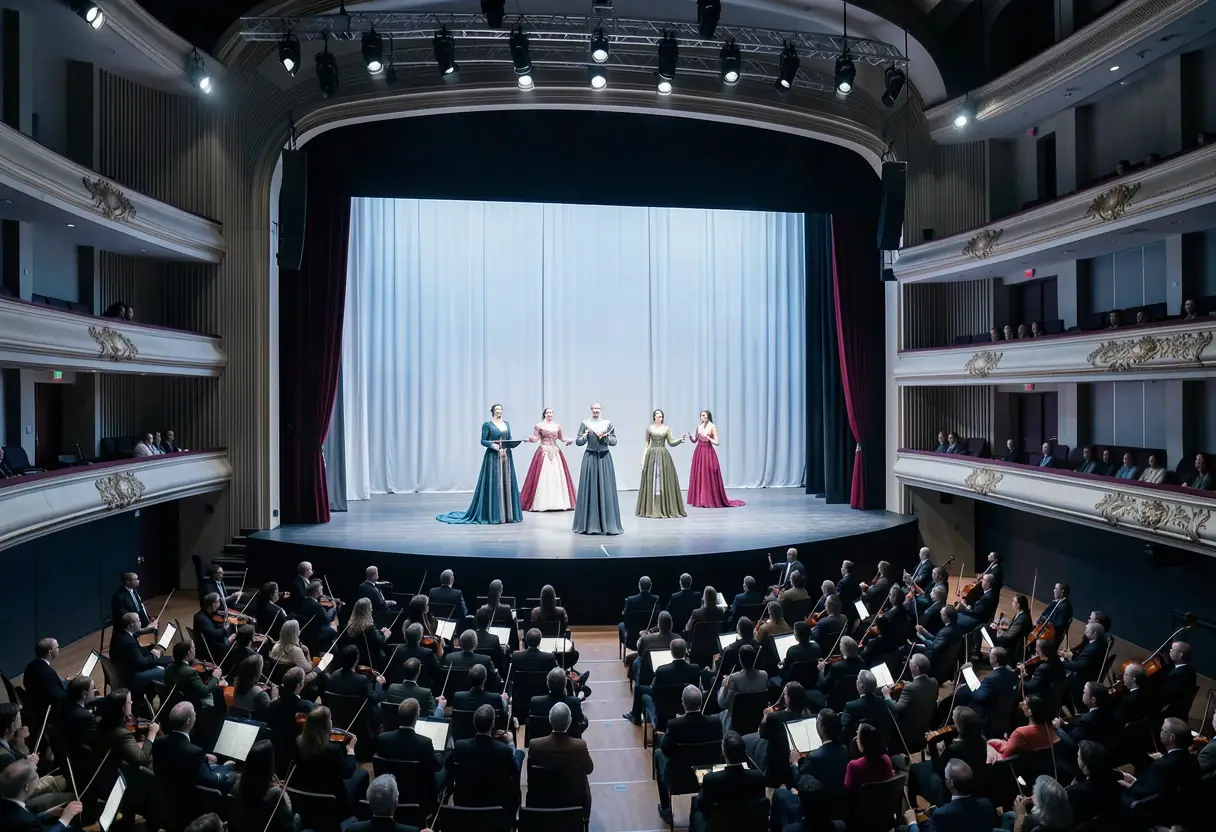
Guth, in his second Met production, set the opera on minimal sets with white brick walls and a shutter screen opening each act. Act one takes place in a workhouse with women laborers in the background. Act two unfolds inside a cage built from Act one's bed frames, with a giant raven overlooking it; mattresses strewn together evoke the treacherous outside world and Jenůfa's sin. Act three is a bare space covered in flowers.
The staging "looked empty and unfinished" on the Met's massive stage, the review states. A black screen sat atop the white wall, and the backstage light board was visible. The background women "barely featured into the action." The Act three ballet scattered dancers to one side of the stage, and constant unmotivated movement diverted attention from the music. The reviewer concluded the mise-en-scène seemed designed for an HD recording rather than a 3,800-seat auditorium.
Not everything failed. The Act two cage symbolizing Jenůfa and Kostelnička's captivity was interesting, though the bars blocked the view. The Act one ballet was memorable, showcasing Asmik Grigorian's dance skills, and the final image of Jenůfa and Laca outside the shutter screen powerfully signaled her freedom.
How did the leads fare?
Nina Stemme returned as Kostelnička. Her stage presence and intensity drew the viewer in, but the voice "lacked flexibility and sounded worn out," especially in Act two. In "Toz jenom vejdi," her legato phrasing sounded disconnected in the upper register. Her monologue "Co chvíla" turned thick, with labored extended phrases. She earned credit for textual emphasis and dramatic desperation, and her Act three remorse in "Odpust' mi jenom ty" was stronger.
Grigorian sang the title role with technical precision and tasteful dynamics but, per the review, lacked emotional pathos. Her habitual constant stage movement produced diminishing returns and left the performance "stuck in one gear." Her Act two "Prayer" was gloriously sung with sublime pianos and intense fortes; "Odešli. Jdi také!" built beautifully to a passionate finale.
Elena Zaremba's Grandmother Buryja had imposing vocal potency but wobbly intonation.
Who stood out?
The two tenors led the positives. Ryan Capozzo sang Števa with a clarion voice and swagger, notably in the Act two duet with Stemme. Sean Panikkar was a standout as Laca, aggressive in Act one, caressing by Act two's close, and thunderous in the Act three finale. Kevin Short (the Mayor), Eve Gigliotti (the Mayor's Wife), Jazmine Saunders (Jana) and Erica Petrocelli as Karolka — "outstanding," per the review — rounded out a strong supporting cast.
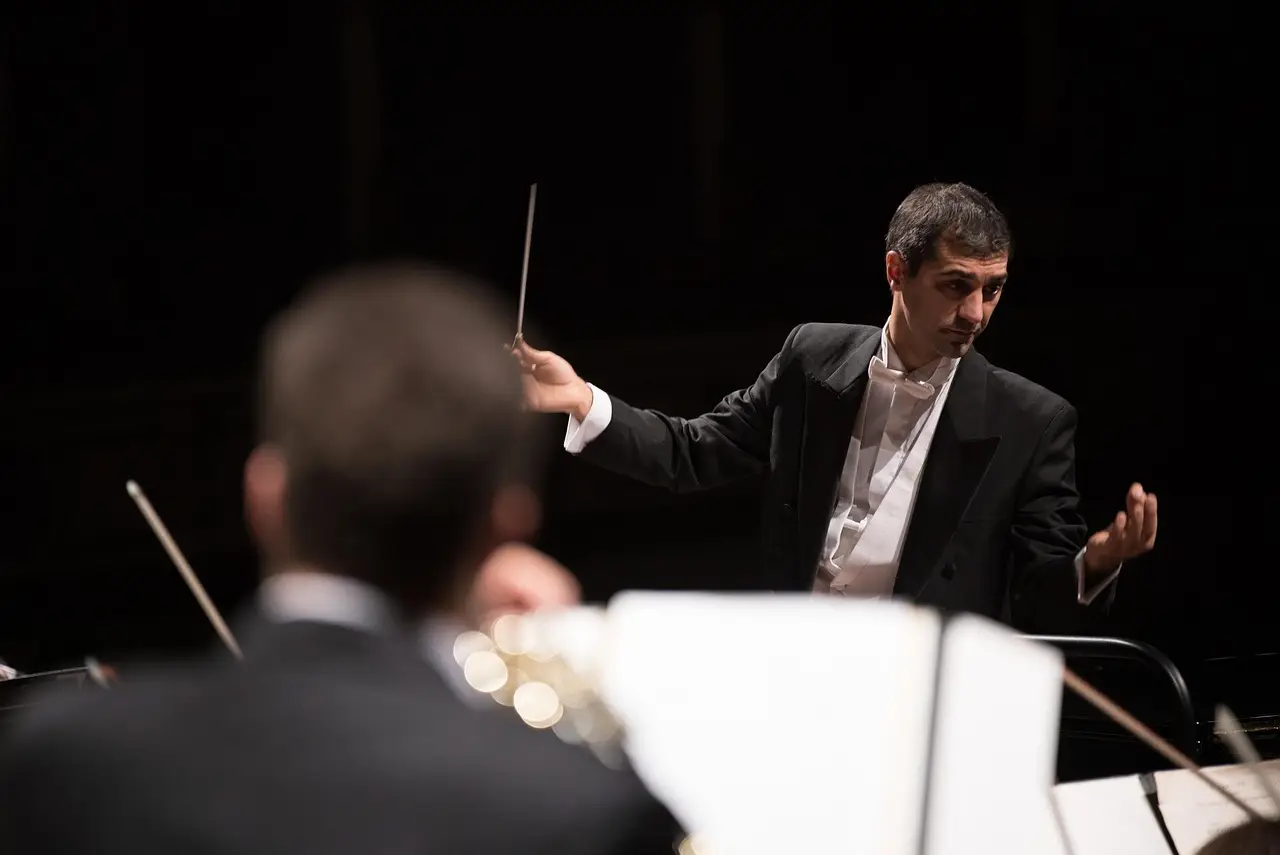
In the pit, Tomáš Hanus made a successful Met debut. He drove the orchestra to high intensity in Act two, softened it for the folk music of Acts one and three, and shaped the finale into a momentous climax. The Act two violin solo during Jenůfa's prayer combined delicacy and virtuosity.
The audience cheered at evening's end, but the enthusiasm fell short of typical Met nights. Whether later performances in the run find the missing inspiration remains the question for the remainder of the run.
Original: theguardian.com
More from Elena Vasquez
Show full bio
Senior reporter covering technology and product news in arts in the broadest sense at Arts & Voices.
1,533 articles