Music
Taylor Swift's Lawyers Call Showgirl Trademark Suit 'Nonsensical'
Swift's lawyers call Maren Wade's trademark suit over 'The Life of a Showgirl' "nonsensical" and "baseless" as an October hearing looms on the singer's dismissal bid.
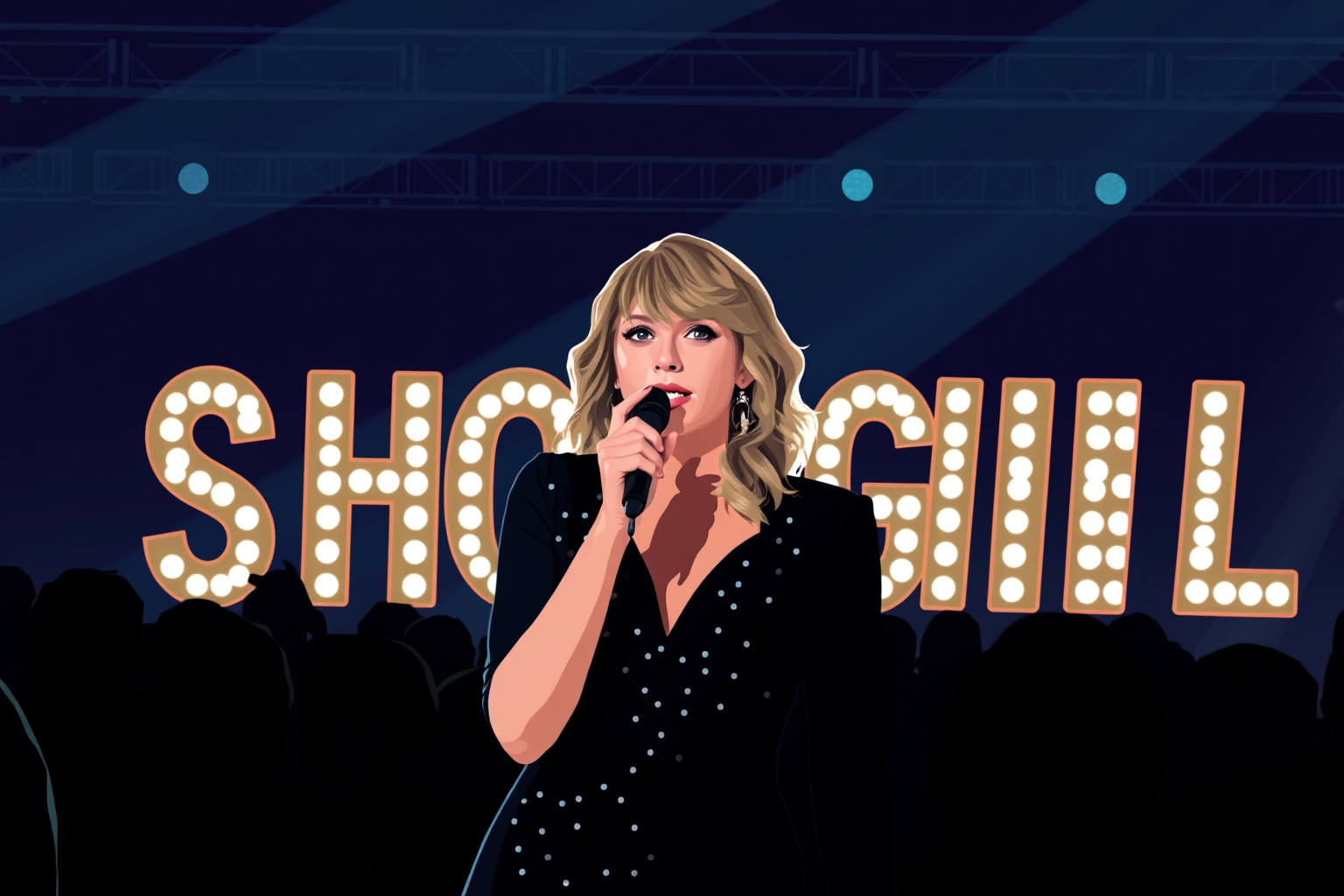
Taylor Swift's legal team branded Las Vegas showgirl Maren Wade's trademark infringement lawsuit "meritless" in new filings submitted Wednesday in federal court in Los Angeles, escalating a dispute that will reach a hearing in early October on Swift's motion to dismiss.
"Plaintiff's overarching assertion that consumers are – or could be – confused into believing that Ms. Swift, a 14-time Grammy Award winner and global musical icon, is the source of or is associated with plaintiff's podcast, book, or live cabaret performances at golf resorts and RV parks is nonsensical," Swift's lawyers wrote in filings obtained by Rolling Stone. "The court may dismiss where confusion is unlikely, and the court should do so here."
The dispute centers on Swift's latest album, The Life of a Showgirl, and its collision with Wade's long-running "Confessions of a Showgirl" brand. In a pair of replies, Swift's lawyers argued the album is a "quintessential expressive work" shielded from trademark claims, and that album T-shirts and other promotional merchandise fall outside trademark law as "a logical extension of the expressive work."
The lawyers also attacked Wade's claims under California's Unfair Competition Law, saying her suit improperly seeks to apply the statute "extraterritorially to a Nevada plaintiff." They said Wade failed to "identify a single case where trademark infringement served as the basis of an unfair UCL claim," arguing the cases she cited involved false advertising instead.
Swift's team additionally contended that the Los Angeles court lacks personal jurisdiction over the singer because she is a Tennessee resident. They rejected Wade's argument that Swift promoted the album in California by appearing at the 2026 iHeartRadio Music Awards to accept Artist of the Year. "Stretching an award show acceptance speech to constitute 'advertising' is ridiculous," they wrote.
"Plaintiff's claims were – and are still – baseless," Swift's lawyer Max N. Wellman and his co-counsel at Venable wrote in their main 16-page filing. "Having already amended once and still failing to plausibly allege any claims, plaintiff is not entitled to anything more. This case should be dismissed with prejudice."
Wade sued Swift for trademark infringement in March and asked for an emergency moratorium on merchandise sales while the case plays out. Her lawyer did not immediately respond to a request for comment on Wednesday.
Wade built her career from a 2014 "Confessions of a Showgirl" column in Las Vegas Weekly into a live show, a touring production, a book, a podcast, and a trademark. Her filings say she was initially excited when Swift announced the album name, but the album's overwhelming success quickly overpowered and drowned her out.
"'Confessions of a Showgirl' is not one mark among many for plaintiff. It is the only one she has," her court filings state. "[Wade] has built her professional identity under it for more than a decade, and she has no portfolio of alternative brands, no corporate backing, and no global marketing operation to compete for consumer attention. Defendants have all of these. That asymmetry is directly relevant to the equities, and it tips in plaintiff's favor."
At a hearing last May, Swift's lawyer argued that Wade saw an opportunity in the album's title and seized it. He said Wade used hashtags related to Swift to direct traffic to her commercial website and asked people to follow her in her "Showgirl era."
"There is absolutely no doubt that this woman, because of exuberance or trying to realize commercial gain, was very much affiliating herself with Ms. Swift for eight months while millions was spent to get this album out there, and it can't be undone," Swift's lawyer J. Douglas Baldridge told the court. "It was eight months of not objecting to an expressive work while she glommed onto it."
Wade's lawyer Jaymie Parkkinen pushed back. He said his client spent 12 years building her own brand — writing a column, staging her own show, touring, publishing a book, and winning an "incontestable federal registration" — only to see her trademark "absorbed in real time into a multi-billion dollar commercial machine," referring to Swift's label partners, UMG Recordings and Bravado, who are co-defendants in the litigation. He called Swift a "sophisticated repeat trademark holder" who knew her own trademark application for the album did not succeed and suspended it rather than try to cure it.
"The hardship is not even close," Parkkinen said. "They knew what they were doing, and they proceeded anyway."
The early October hearing will determine whether the case survives at all — and with it, whether one of pop music's biggest album campaigns of the past year must answer to a single trademark held by a working Las Vegas performer.
Source: Rolling Stone Music
Tom Whitfield
Show full bio
Market editor covering industry trends and analytics at Arts & Voices.