Programme
- Academy of Ancient Music performed Monteverdi's L'incoronazione di Poppea (1642/3) at Barbican Hall, London, on 17 November 2026.
- Laurence Cummings conducted eleven period players from the harpsichord; the performance ran almost three hours.
- Anna Dennis sang Poppea and Nahuel Di Pierro Seneca; reviewer Colin Clarke called both standouts.
- The AAM last presented the opera at the Barbican some dozen years ago under Robert Howarth with a different cast.
- Ed Lyon's tenor Nerone and Christopher Lowrey's countertenor Ottone joined Katie Bray, Stuart Jackson and Maryam Wocial in the cast.
The Academy of Ancient Music returned to Monteverdi's L'incoronazione di Poppea at London's Barbican Hall on 17 November 2026, and reviewer Colin Clarke's verdict was blunt: "one could hardly wish for a better Poppea, musically".
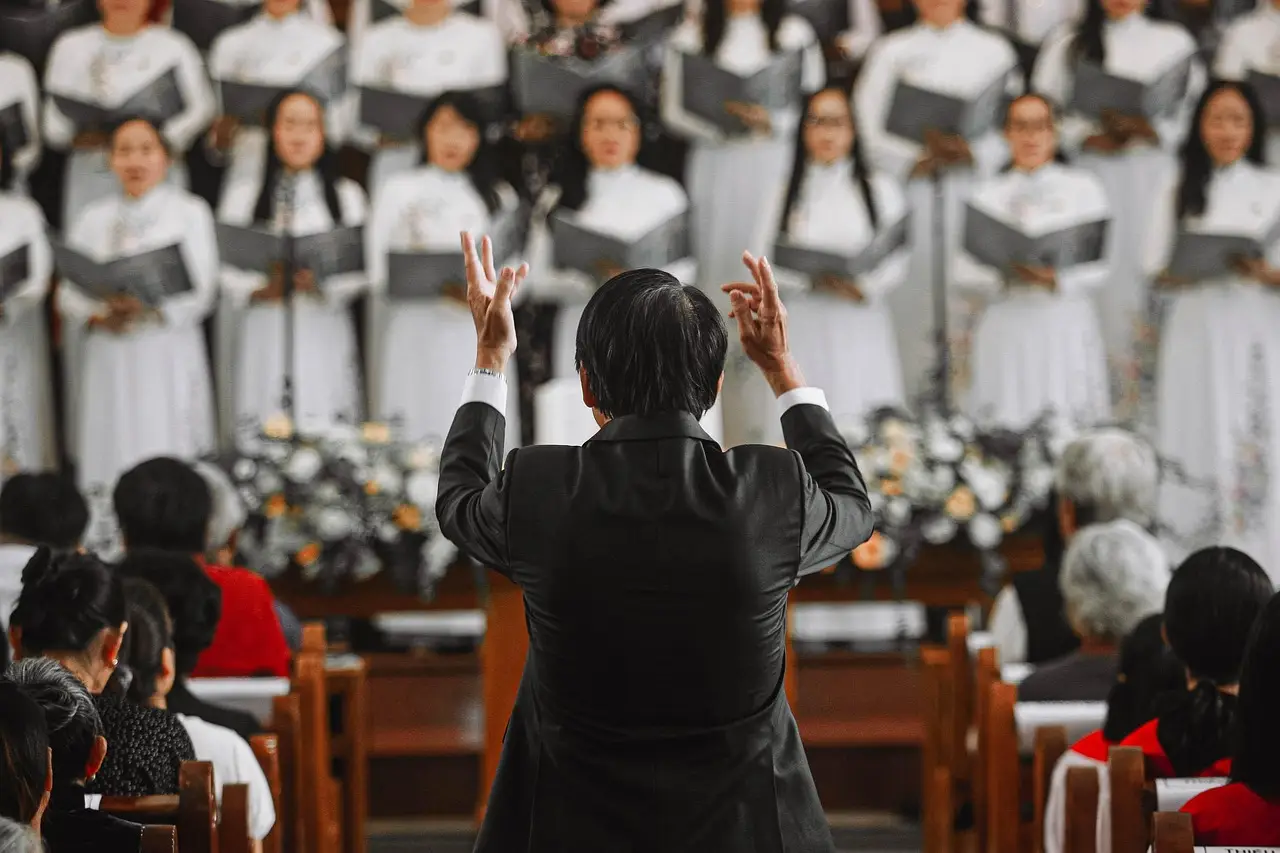
Laurence Cummings conducted from the harpsichord, standing, in what Clarke described as "effectively a masterclass in Monteverdi performance". The performance ran almost exactly three hours, with an interval during the second act, and came as a concert performance with costumes — Stuart Jackson's Arnalta got a comic apron — plus occasional use of the auditorium: two Prologue characters entered arguing via the aisles, the third through the back door.
The evening had lineage. Some dozen years ago the AAM presented the same opera at the Barbican under Robert Howarth, with no overlap of soloists — Lynne Dawson sang Poppea, Sarah Connolly Nerone, Matthew Rose Seneca. That outing was 'semi-staged'. This one, Clarke wrote, was finer "across the board".
Who stood out?
Anna Dennis, first among equals. She "sculpted and lived every phrase", wrote Clarke, in a Poppea that felt "perfectly lived-in". If forced to pick one moment, he nominated the Act Two close, 'Or che Seneca è morto'.
Nahuel Di Pierro was the other standout. His Seneca was "authoritative and full of presence", fulfilling the promise of his 'Amici, è giunta l'ora' on the album Fra l'ombre e l'orrori with Ensemble Diderot and Johannes Pramsholer on Audax.
Ed Lyon sang a tenor Nerone; Christopher Lowrey a countertenor Ottone. Lyon was "an extremely fine" Nerone, if "a little less inside the role", though his Act One 'La legge è per chi serve' — the 'empire is divided' aria — was superb. The final duet, 'Pur ti miro', was "infinitely touching". Lowrey began quietly, then grew quickly. Jackson's Arnalta moved easily from comedy to a stunning Act Two lullaby, 'Dormi, Poppea'.
How did the smaller roles fare?
Katie Bray doubled a vivid Ottavia and La Virtù. Her Act One rage aria 'Disprezzata regina' (Despised queen) and her farewell 'Addio, Roma' were highlights. Rachel Redmond excelled as Amore, Venere and Venere again; Danni O'Neill took La Fortuna, Pallade and Damigella; Bray, O'Neill and Redmond opened the Prologue with "brilliantly matched voices".
Maryam Wocial, currently on the Royal College of Music's opera course, sang an agile Drusilla in 'O felice Drusilla' — a chance, in Clarke's words, "graciously and ardently taken", pointing to a fine career. Fiona Kimm acted her socks off as Nutrice. The one quibble: Thomas Walker's Lucano carried a touch too much vibrato.
The Act Two trio 'Non morir, Seneca' — sung by the Famigliari of Rory Carver, Richard Latham and Robert Macdonald, each doubling further roles — came off in perfect balance.
What powered the sound?
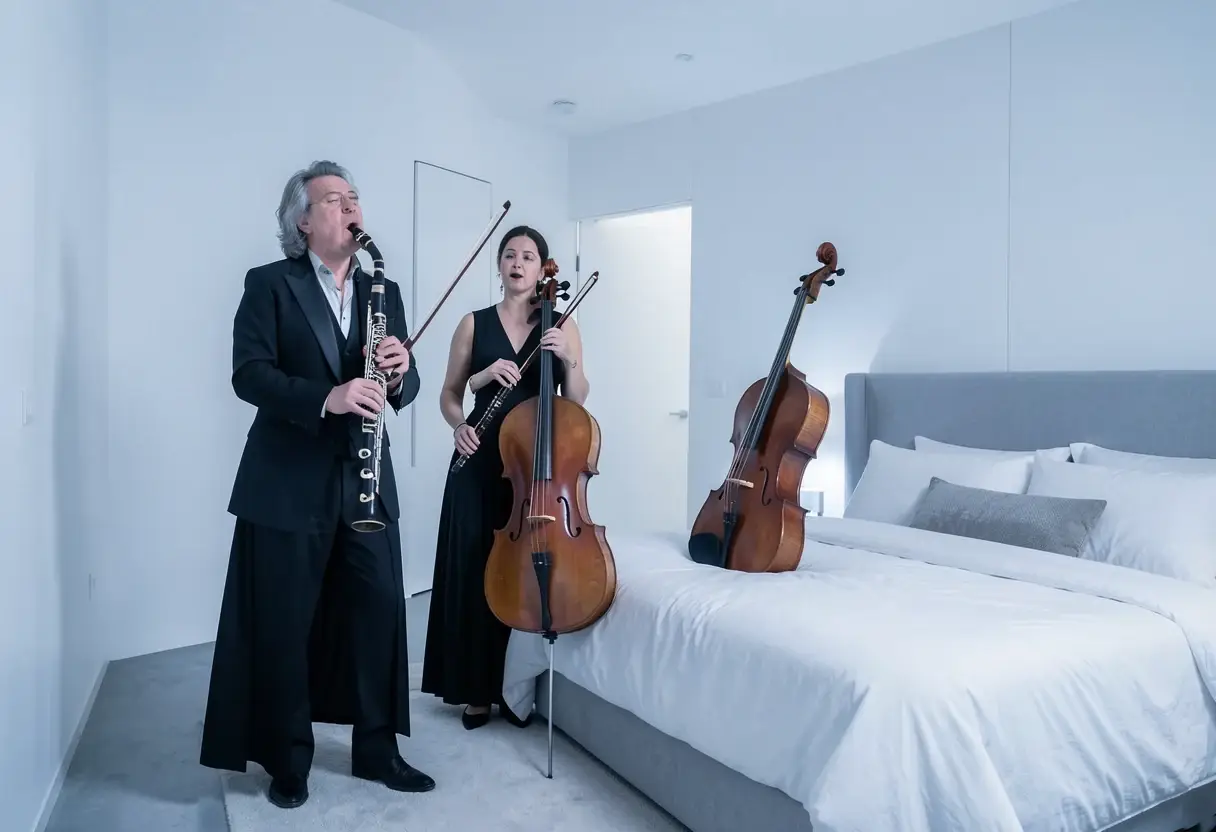
Eleven players: two violins, two violas, one bass violin, one viola da gamba (a fretted bowed string instrument), one violone, two theorbos (long-necked lutes), and Ashok Gupta doubling harpsichord and organ. From that band Cummings "fashioned the most varied of sounds", as pliable as Clarke has heard in this repertoire, matching Monteverdi's quick shifts from serious to buffa.
The opera dates from 1642/3, a couple of years after Ulisse (1640) and decades after Orfeo (1607) — Glyndebourne staged Orfeo earlier this year. On this evidence, the AAM's Poppea was, in Clarke's closing words, "an unforgettable evening".
Source: operatoday.com
More from Daniel Okafor
Show full bio
News editor covering companies, deals and strategy in arts in the broadest sense at Arts & Voices.
1,588 articles