Lucas Clément Builds an AI Dream World of Pastel Houses
French artist Lucas Clément's generative-AI project Another World renders dreamlike pastel landscapes; a six-minute film, Between Worlds, is backed by Leonardo.Ai's fund.
Programme
- French digital artist Lucas Clément, based near Paris, created the AI-generated project Another World.
- His short film *Between Worlds* runs six minutes and is supported by Leonardo.Ai's Imagination Fund.
- The project draws on dreamcore and liminal-space aesthetics with pastel palettes and no people.
- Clément is also experimenting with immersive virtual reality.
French digital artist Lucas Clément has spent recent years constructing an entire imaginary universe with generative AI — and his project Another World now spans dozens of images, a six-minute short film, and early virtual reality experiments.
Clément works near Paris. He began experimenting with AI-generated imagery before developing Another World into a larger visual storytelling project centered on dreams and the subconscious.
What does Another World look like?
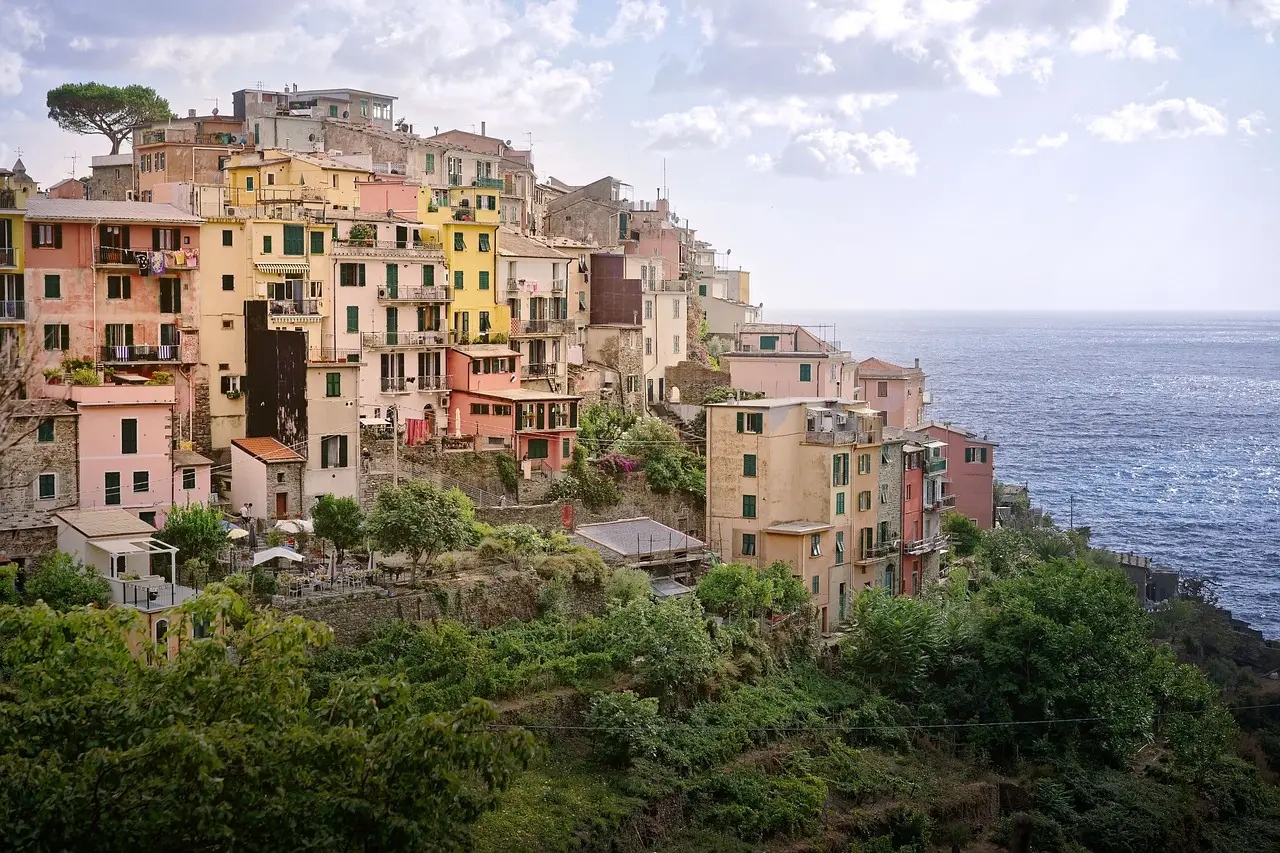
The project's images share a recognizable grammar: impossibly green hills, lonely pastel-colored houses, flooded corridors, floating clouds, and mysterious roads leading beyond the horizon. Everything appears peaceful, almost idyllic — until the viewer registers that something in the geography, the architecture, or the laws of physics is, in the source's phrase, "wonderfully wrong."
The recurring visual devices include:
- a telephone booth glowing in an empty field at dusk
- a rainbow illuminating an ordinary suburban neighborhood
- a tiny house sitting precariously above an enormous grassy abyss
Clément draws on the aesthetics of dreamcore and liminal spaces, blending everyday environments with subtle surrealist twists. His carefully chosen pastel palette, unusually clean landscapes, and almost complete absence of people give the imaginary places a strange emotional pull, somewhere between comforting nostalgia and quiet unease.
Where did the project lead?
His fascination with dreams and the subconscious eventually produced Between Worlds, a six-minute AI-generated short film. The project received support from Leonardo.Ai's Imagination Fund, a signal that AI-image platforms are now directly bankrolling individual artists' moving-image work. Alongside the film, Clément has run experiments with immersive virtual reality.
The trajectory is straightforward: static images first, then animation, then VR. Each step extends the same invented world without abandoning its visual rules.
Why do the images work without explanation?
The most striking feature of Clément's creations, as the source notes, is how little they need to explain. A house, an empty road, and an impossible sky are often enough to make viewers feel they have stumbled upon a place they somehow remember — the sensation of a dream that felt completely familiar until waking revealed it never existed.
That is the project's core mechanism: it stages recognition where there should be none. The images evoke the atmosphere of half-forgotten childhood dreams, and their emotional force comes from that gap between memory and impossibility.
Clément publishes the ongoing Another World series on Instagram. With a funded film completed and VR work underway, the project points toward a near future in which AI-generated dreamscapes migrate from the feed to the gallery and the headset.
— Elena Vasquez
Source: designyoutrust.com
More from Elena Vasquez
Show full bio
Senior reporter covering technology and product news in arts in the broadest sense at Arts & Voices.
1,465 articles