Richard Lane’s AI fantasy world Ephellem expands through Midjourney
Richard Lane’s Ephellem uses Midjourney to build a shared medieval realm of misty towns, ruined keeps, dark forests, warm cottages and unwritten histories.
Programme
- Richard Lane created Ephellem, a growing collection of AI-generated fantasy environments.
- Lane uses Midjourney to develop the project’s medieval environments.
- The feature names four locations: Citadel of Aonreth, Ornoreth Keep, Maure Village and Nornwood.
- The shared world refers to an earlier historical period called the Age of Storm.
- The feature links to Ephellem’s Instagram account but names no game, developer, platform or release date.
By Tom Whitfield
Richard Lane creates Ephellem with Midjourney. The feature names four locations within its shared medieval world.
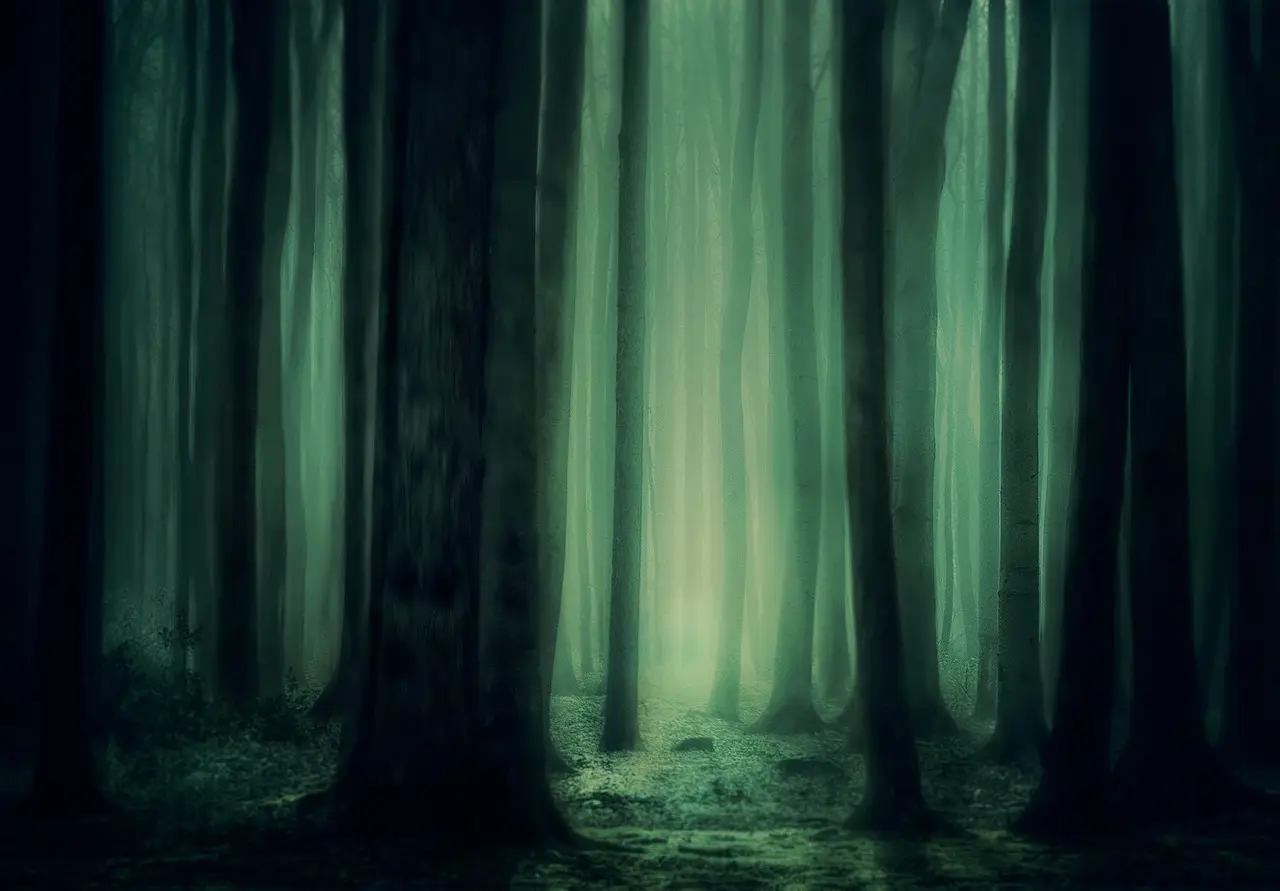
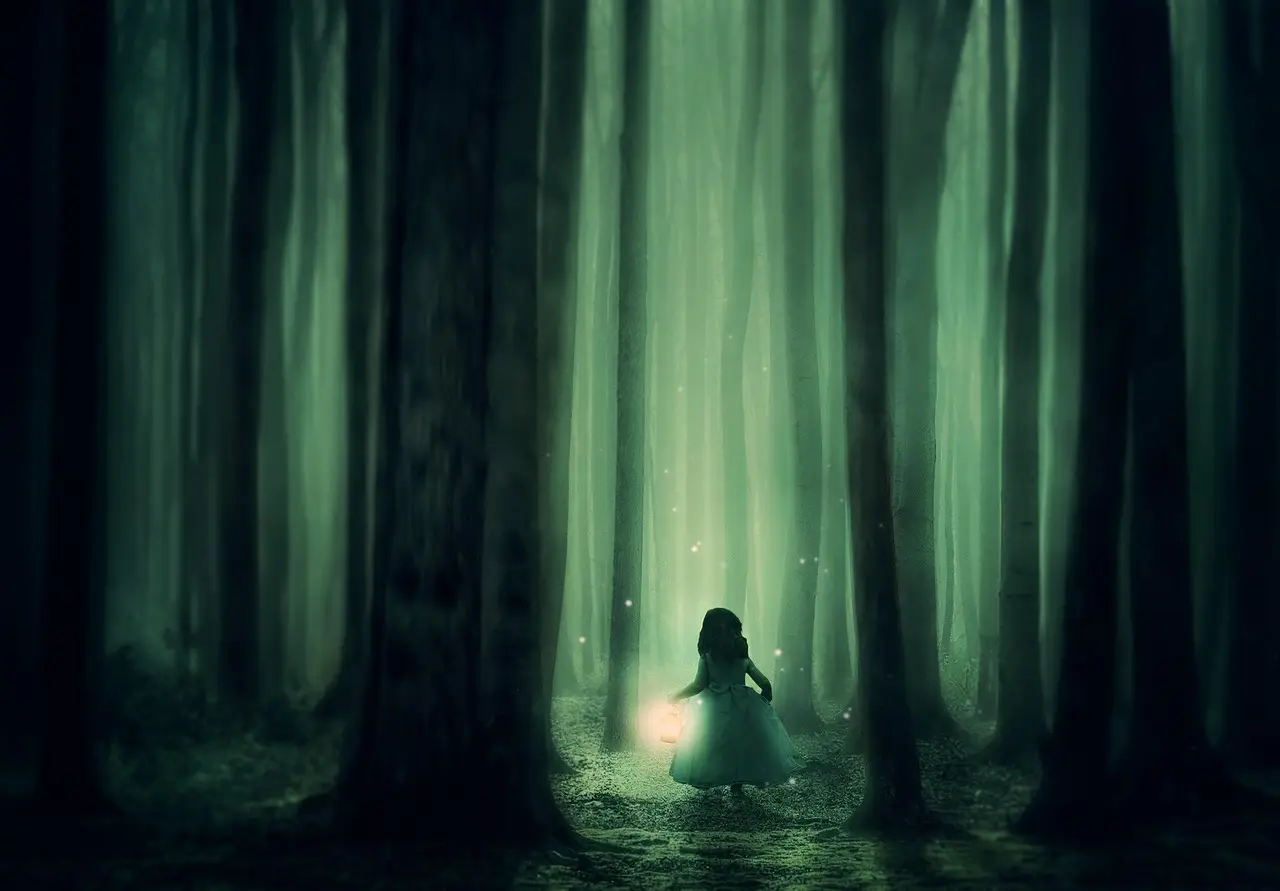
Its AI-generated images extend that geography through mist-covered medieval towns, lonely travelers, ancient stone fortresses, mysterious woodland creatures and forgotten paths into the wilderness.
Design You Trust presents Ephellem as a growing collection rather than a set of unrelated fantasy pictures. The images suggest villages that have survived several wars, forests best left undisturbed and ruined castles burdened by unpleasant histories. The feature publishes no individual image titles, dates, prompts or statements from Lane. It directs readers instead to the Ephellem Instagram account.
The collection’s main development is its move toward a shared fictional world. Its named geography includes:
- Citadel of Aonreth
- Ornoreth Keep
- Maure Village
- Nornwood
Across those places, Lane uses danger and comfort as a visual system. A dark forest may conceal a monstrous creature while a small cottage glows warmly nearby. A distant castle can look intimidating while the narrow streets of a village below appear almost inviting.
Design You Trust says the contrasts “give the environments a lived-in quality” and turn the scenes into “places belonging to a world that continues to exist beyond the edges of each image.”
That is a more demanding standard than a single dramatic fantasy image because several visual cues must agree from one scene to the next.
The source also connects this geography to earlier historical periods, including the Age of Storm. It does not explain the period’s chronology, conflicts or relationship to the present. The names, though, signal that the images are not meant as generic medieval scenes.
Design You Trust presents each environment as part of a larger setting containing ruined civilizations, unexplored territories and stories that remain largely untold.
Midjourney supplies the production method rather than the organizing idea. According to Design You Trust, the style combines weathered architecture, dramatic skies and ancient forests with a carefully balanced sense of scale. The result draws heavily on traditional medieval fantasy while suggesting more history and territory than any one frame can contain.
It is also the limit of what the feature can prove. The gallery supplies atmosphere and recurring rules, not a documented production. Although the feature frames the landscapes as places waiting to be explored in an epic medieval RPG, its text names no game, developer, platform or release date.
Nor does it explain whether Lane has a broader game or narrative plan. Those possibilities remain outside the evidence.
What does Ephellem change for viewers?
It changes the basic unit from an image to a place. Repeated architecture, weather, lighting and spatial relationships let viewers read Citadel of Aonreth, Ornoreth Keep, Maure Village and Nornwood as parts of one environment.
The practical gain is consistency: a concept artist can use the same tension between a warm shelter and a threatening forest across several scenes, while an audience can imagine routes between places never pictured together. Without captions, prompts or a fuller map, coherence remains an inference from the pictures rather than a confirmed narrative system.
If Lane develops the named sites and Age of Storm into documented scenes, Ephellem could become a clearer world-building tool; for now, its achievement is a visually consistent AI-generated series whose separate Midjourney compositions feel geographically connected.
Source: designyoutrust.com
More from Tom Whitfield
Show full bio
Market editor covering people, launches and day-to-day practice in arts in the broadest sense at Arts & Voices.
1,633 articles